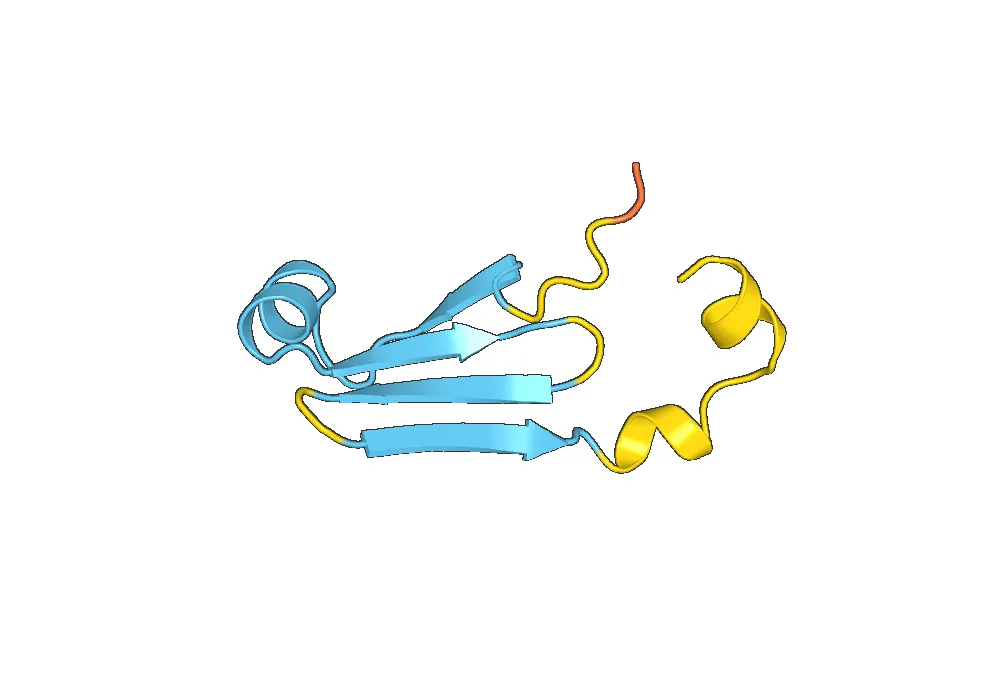
Structure of Recombinant Human LSR
Recombinant Human LSR, also known as recombinant human lipolysis-stimulated lipoprotein receptor, is a protein that is produced through genetic engineering techniques. It is a type I transmembrane protein that belongs to the low-density lipoprotein receptor (LDLR) family. The gene encoding LSR is located on chromosome 1 in humans and consists of 24 exons that span over 130 kilobases.
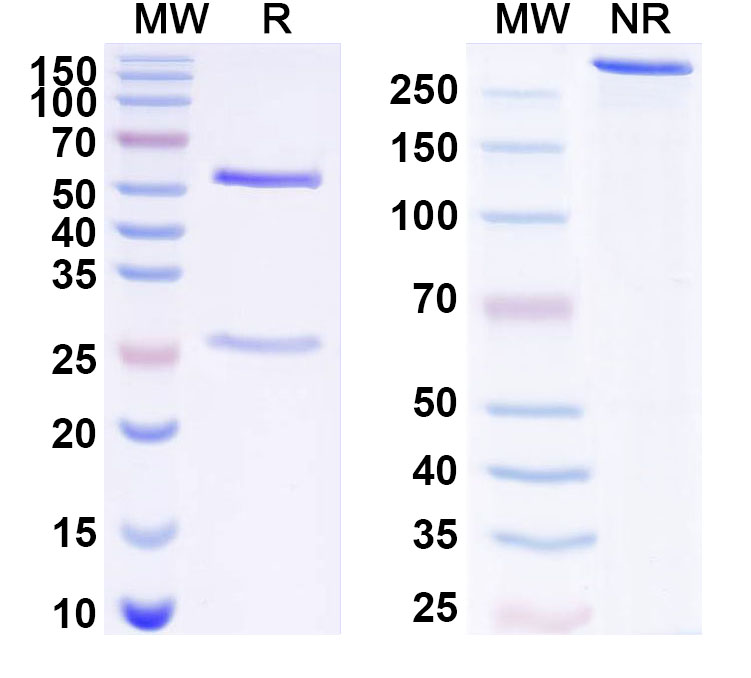
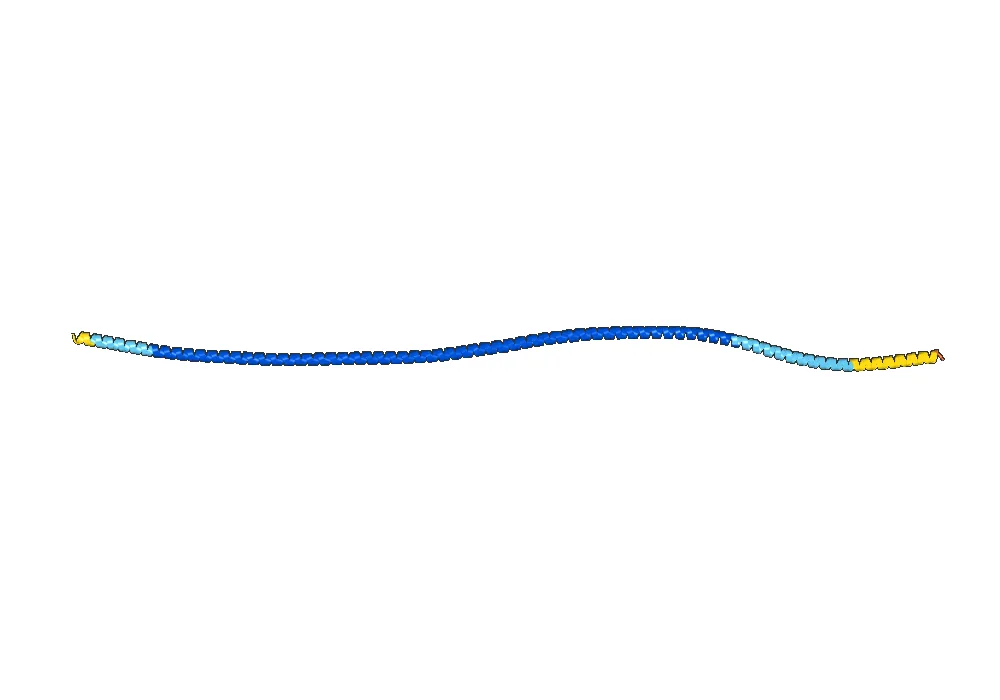
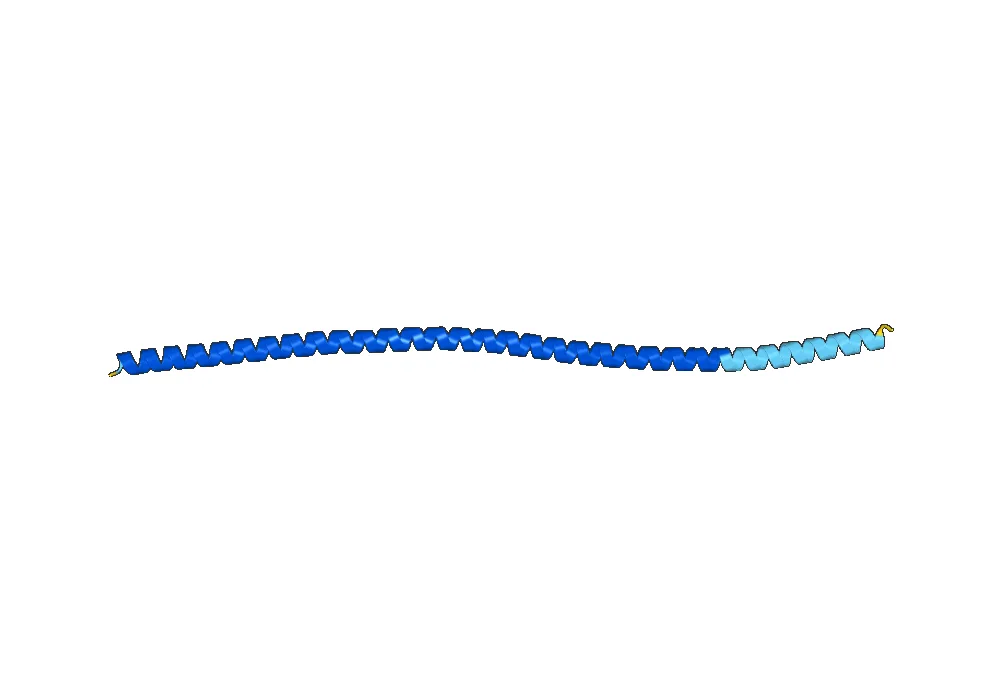
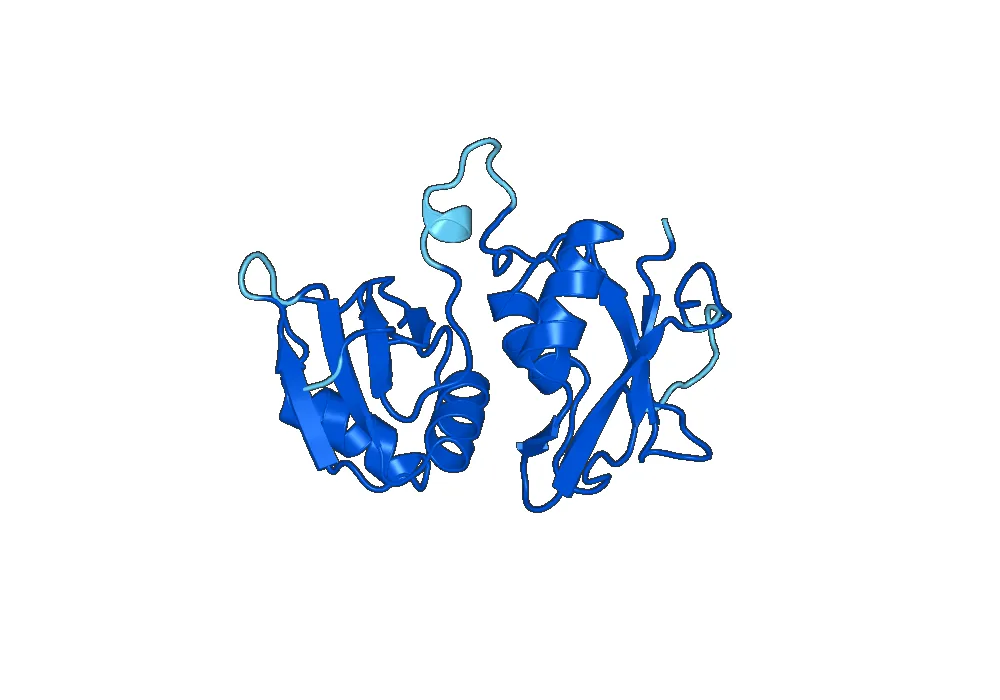
The primary structure of LSR consists of 862 amino acids with a molecular weight of approximately 95 kDa. It contains a large extracellular domain, a single transmembrane domain, and a short cytoplasmic tail. The extracellular domain is composed of multiple repeats of cysteine-rich epidermal growth factor (EGF)-like motifs, which are responsible for binding to its ligands. The transmembrane domain anchors LSR to the cell membrane, while the cytoplasmic tail is involved in intracellular signaling.
Activity of Recombinant Human LSR
The main function of LSR is to bind and internalize lipoproteins, such as low-density lipoprotein (LDL) and very low-density lipoprotein (VLDL), from the bloodstream into cells. This process is essential for the uptake of cholesterol and other lipids by cells and is crucial for maintaining lipid homeostasis in the body. LSR is also involved in the transport of lipids across the intestinal epithelium, making it an important protein in the absorption of dietary lipids.
In addition to its role in lipid metabolism, LSR has been found to play a role in other cellular processes. It has been shown to interact with growth factors, such as EGF and transforming growth factor-beta (TGF-β), and modulate their signaling pathways. LSR has also been implicated in the regulation of cell proliferation, migration, and survival.
Application of Recombinant Human LSR
Recombinant Human LSR has a wide range of applications in both research and clinical settings. One of its main uses is in the study of lipid metabolism and its role in various diseases, such as atherosclerosis and obesity. The recombinant protein can be used to investigate the binding and internalization of lipoproteins and the signaling pathways involved in these processes.
Another important application of Recombinant Human LSR is in the development of therapeutics for lipid-related disorders. By understanding the structure and function of LSR, researchers can design drugs that target this protein and modulate its activity. This could lead to the development of new treatments for conditions such as high cholesterol and cardiovascular disease.
Furthermore, LSR has potential applications in the field of cancer research. It has been found to be overexpressed in certain types of cancer, such as breast and ovarian cancer, and has been linked to tumor growth and metastasis. Recombinant Human LSR can be used to study the role of this protein in cancer progression and to develop targeted therapies that can inhibit its activity.
In conclusion, Recombinant Human LSR is an important protein with diverse functions in lipid metabolism, cell signaling, and disease development. Its structure and activity have been extensively studied, and its potential applications in research and medicine continue to expand. With further research and development, LSR could potentially be a valuable target for the treatment of various diseases.




There are no reviews yet.