Introduction
Recombinant Human FGD5 Protein, also known as Faciogenital Dysplasia 5 Protein, is a protein that is encoded by the FGD5 gene in humans. This protein plays a crucial role in the regulation of cell signaling and is involved in various cellular processes such as cell growth, differentiation, and migration. In this article, we will discuss the structure, activity, and applications of Recombinant Human FGD5 Protein.
Structure of Recombinant Human FGD5 Protein
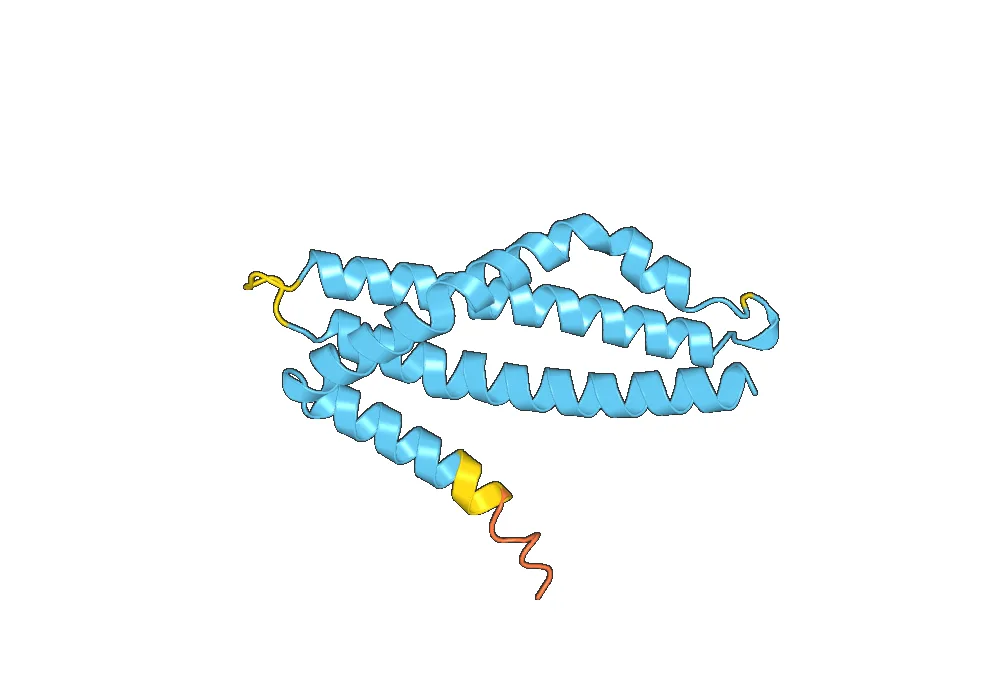
Recombinant Human FGD5 Protein is a 156 kDa protein consisting of 1406 amino acids. It belongs to the Rho guanine nucleotide exchange factor (RhoGEF) family and contains a Dbl homology (DH) domain, a pleckstrin homology (PH) domain, and a coiled-coil domain. The DH domain is responsible for catalyzing the exchange of GDP for GTP on Rho family GTPases, while the PH domain is involved in protein-protein interactions. The coiled-coil domain is important for protein dimerization and localization.
Activity of Recombinant Human FGD5 Protein
Recombinant Human FGD5 Protein acts as a guanine nucleotide exchange factor for Rho family GTPases, including RhoA, Rac1, and Cdc42. These GTPases are key regulators of cellular processes such as cytoskeletal organization, cell adhesion, and cell migration. By activating these GTPases, Recombinant Human FGD5 Protein plays a critical role in the regulation of cell signaling pathways.
Moreover, studies have shown that Recombinant Human FGD5 Protein is involved in the regulation of cell growth and differentiation. It has been found to interact with proteins involved in these processes, such as p53 and JNK. This suggests that Recombinant Human FGD5 Protein may have a role in cell cycle regulation and cellular differentiation.
Applications of Recombinant Human FGD5 Protein
Recombinant Human FGD5 Protein has various applications in both basic research and clinical settings. In basic research, it is used to study the role of Rho GTPases in cellular processes. Recombinant Human FGD5 Protein can be used to activate specific Rho GTPases and study their downstream signaling pathways. It can also be used to investigate the interactions between FGD5 and other proteins involved in cell growth and differentiation.
In clinical settings, Recombinant Human FGD5 Protein has potential applications in cancer research and therapy. Studies have shown that FGD5 is overexpressed in certain types of cancer, including breast and ovarian cancer. Therefore, targeting FGD5 with inhibitors or antibodies may have therapeutic potential in these cancers.
Additionally, Recombinant Human FGD5 Protein has been implicated in the pathogenesis of faciogenital dysplasia, a rare genetic disorder characterized by facial abnormalities and genital malformations. Research on Recombinant Human FGD5 Protein may help in understanding the underlying mechanisms of this disorder and developing potential treatments.
Conclusion
In summary, Recombinant Human FGD5 Protein is a crucial protein involved in the regulation of cell signaling and various cellular processes. Its structure, activity, and applications make it an important target for both basic research and clinical studies. Further research on this protein may lead to a better understanding of its role in cellular processes and potential therapeutic interventions for various diseases.

There are no reviews yet.