Introduction
Recombinant Human EDB/EDB-FN Protein is a type of protein that is produced through genetic engineering techniques. It is derived from the human fibronectin protein and has been modified to contain the extra domain B (EDB) region. This protein has a unique structure and function, making it a valuable tool in various scientific applications. In this article, we will discuss the structure, activity, and applications of Recombinant Human EDB/EDB-FN Protein.
Structure of Recombinant Human EDB/EDB-FN Protein
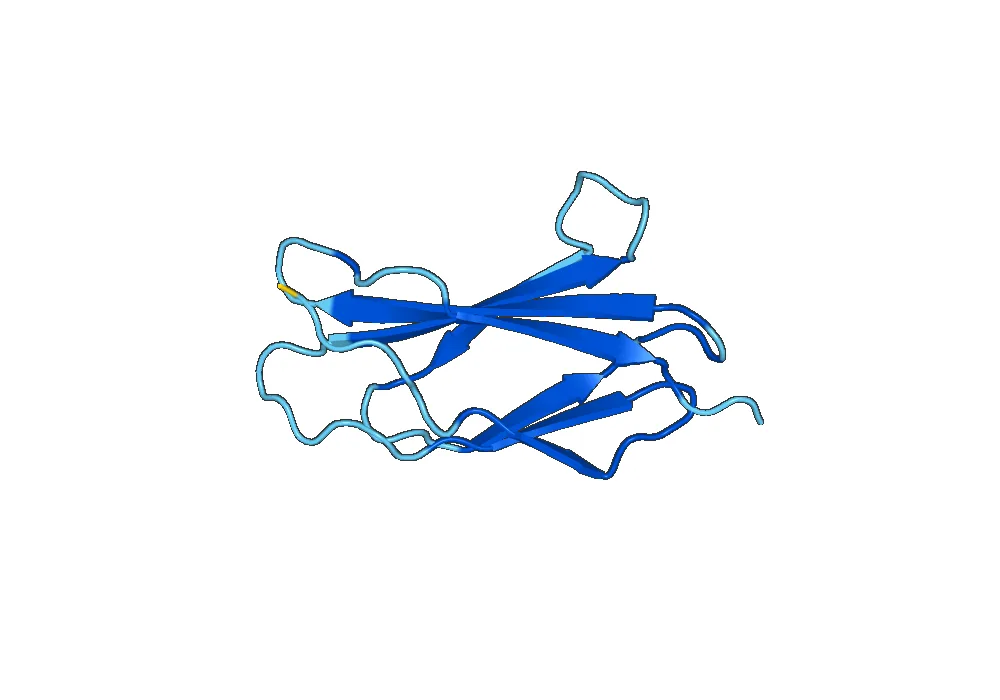
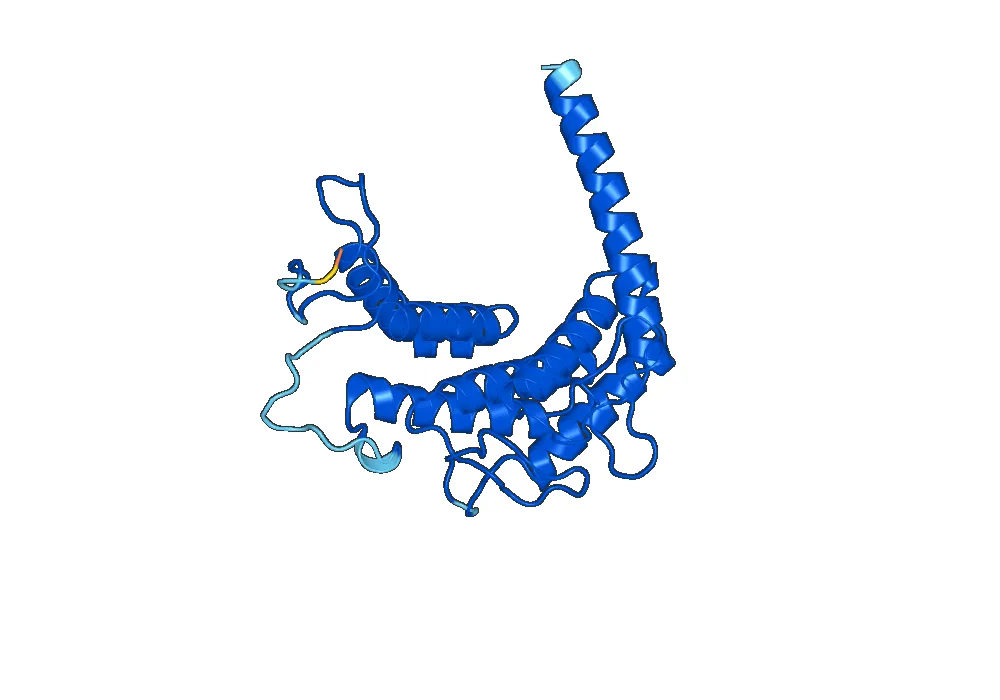
Recombinant Human EDB/EDB-FN Protein has a complex structure consisting of multiple domains and subdomains. The protein is composed of two subunits, alpha and beta, which are connected by disulfide bonds. The alpha subunit contains the EDB region, while the beta subunit contains the extra domain A (EDA) region. The EDB region is unique to this protein and is not found in other fibronectin proteins.
The EDB region is a 91 amino acid sequence that forms a loop structure. It is located between the ninth and tenth type III repeats of the fibronectin protein. This region is highly conserved and has been shown to play a role in cell adhesion and migration. The unique structure of the EDB region allows it to interact with various cell surface receptors, making it an important mediator of cell signaling.
Activity of Recombinant Human EDB/EDB-FN Protein
Recombinant Human EDB/EDB-FN Protein has been shown to have multiple activities in various biological processes. One of its main functions is to promote cell adhesion and migration. The EDB region of the protein binds to cell surface receptors, such as integrins, and helps in the attachment of cells to the extracellular matrix. This activity is crucial for wound healing, tissue regeneration, and embryonic development.
In addition to cell adhesion, Recombinant Human EDB/EDB-FN Protein has also been shown to have angiogenic properties. It promotes the formation of new blood vessels by stimulating the proliferation and migration of endothelial cells. This activity is important in tissue repair and regeneration, as well as in diseases such as cancer, where new blood vessel formation is necessary for tumor growth.
Furthermore, Recombinant Human EDB/EDB-FN Protein has been shown to have anti-inflammatory effects. It can inhibit the production of pro-inflammatory cytokines and chemokines, thus reducing inflammation in various disease conditions. This activity makes it a potential therapeutic agent for inflammatory diseases such as rheumatoid arthritis and multiple sclerosis.
Applications of Recombinant Human EDB/EDB-FN Protein
The unique structure and activity of Recombinant Human EDB/EDB-FN Protein make it a valuable tool in various scientific applications. One of its main applications is in the field of tissue engineering. The protein’s ability to promote cell adhesion and angiogenesis makes it useful for creating artificial tissues and organs. It can be incorporated into scaffolds to enhance cell attachment and vascularization, leading to better tissue regeneration.
In addition, Recombinant Human EDB/EDB-FN Protein has potential applications in drug delivery. Its ability to bind to cell surface receptors can be utilized to target specific cells or tissues, making it a promising carrier for targeted drug delivery. This can improve the efficacy and reduce the side effects of drugs.
Moreover, Recombinant Human EDB/EDB-FN Protein has been studied for its potential as a diagnostic tool. The EDB region is highly expressed in tumor tissues, making it a potential biomarker for cancer detection. The protein can also be used in imaging techniques, such as positron emission tomography (PET), to detect and monitor the progression of cancer.
Conclusion
In conclusion, Recombinant Human EDB/EDB-FN Protein is a unique protein with a complex structure and multiple activities. Its role in cell adhesion, angiogenesis, and inflammation makes
There are no reviews yet.