Introduction to Raxibacumab Biosimilar – A Promising Anti-Anthrax Antibody Introduction:
Raxibacumab Biosimilar is a monoclonal antibody (mAb) that specifically targets the protective antigen (PA) of Bacillus anthracis, the causative agent of anthrax. This biosimilar is a research grade therapeutic antibody that shows great potential in the treatment and prevention of anthrax infections. In this article, we will explore the structure, activity, and potential applications of Raxibacumab Biosimilar.
Structure:
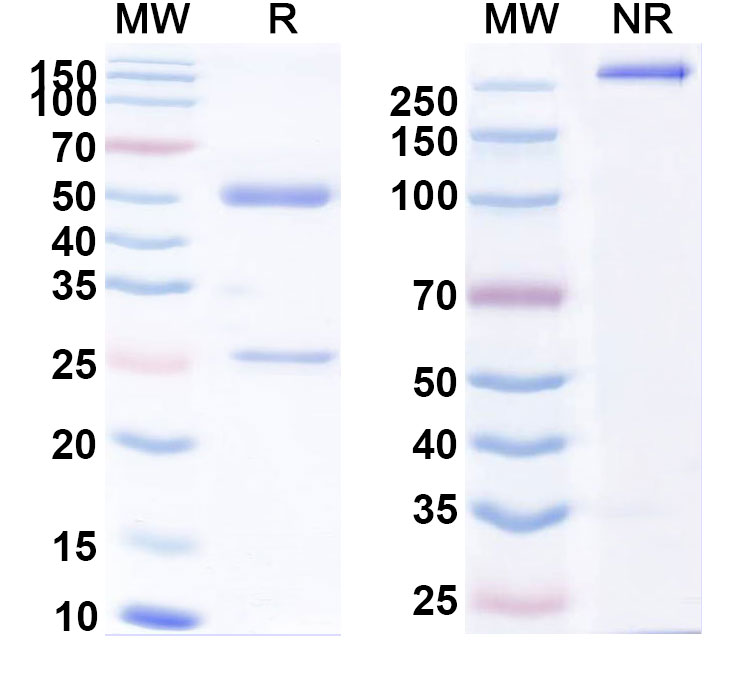
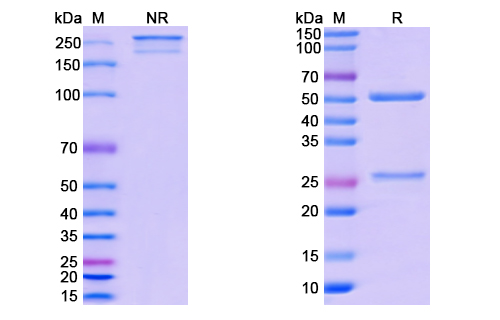
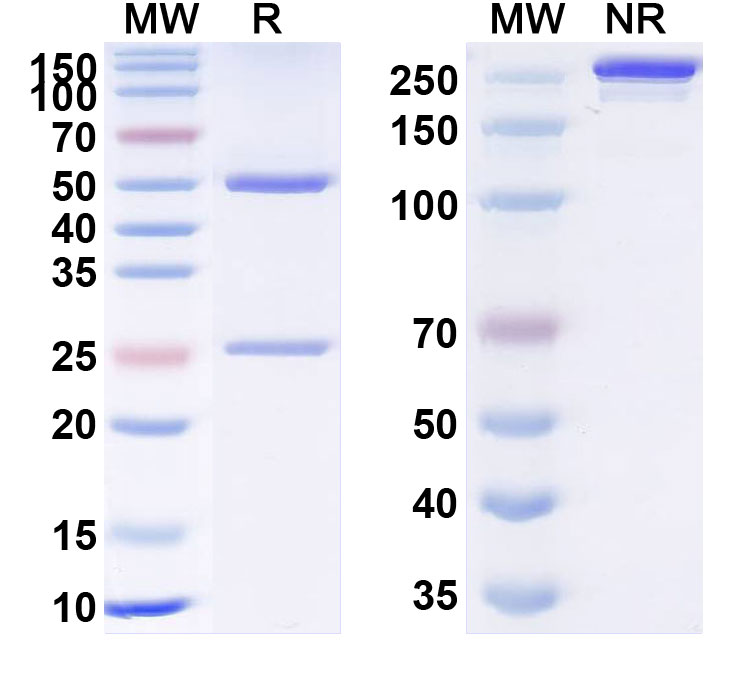
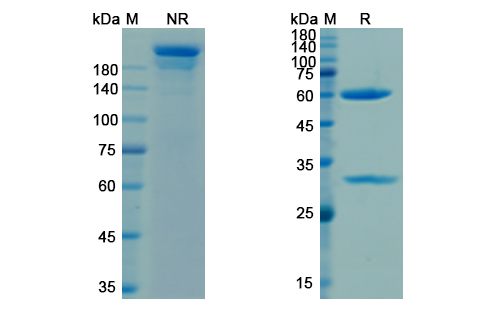
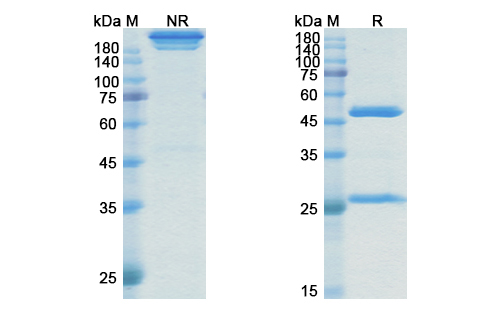
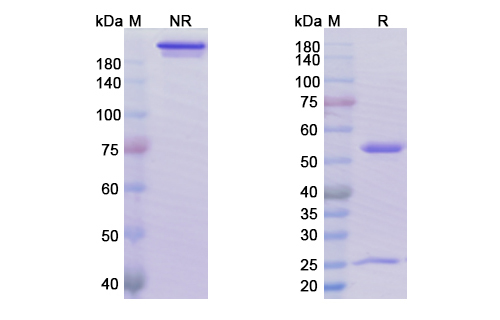
Raxibacumab Biosimilar is a recombinant human IgG1 antibody with a molecular weight of approximately 150 kDa. It is composed of two heavy chains and two light chains, each containing constant and variable regions. The variable regions of the heavy and light chains are responsible for the specific binding to PA. The constant regions of the antibody provide stability and effector functions, such as complement activation and antibody-dependent cell-mediated cytotoxicity.
Activity:
Raxibacumab Biosimilar binds to PA with high affinity and specificity, preventing the toxin from binding to its cellular receptor and entering the host cells. This inhibits the anthrax toxin from exerting its harmful effects, such as cell death and tissue damage. Raxibacumab Biosimilar has been shown to neutralize all three components of the anthrax toxin – PA, lethal factor, and edema factor – making it a potent therapeutic agent against anthrax infections.
Application:
Raxibacumab Biosimilar has been primarily developed as a treatment for individuals with suspected or confirmed exposure to anthrax. It is also being investigated as a preventive measure for individuals at high risk of exposure, such as military personnel and laboratory workers. In addition, this biosimilar has the potential to be used in combination with other antibiotics for the treatment of anthrax, as it targets a different mechanism of action and may enhance the effectiveness of antibiotic therapy.
Title: Raxibacumab Biosimilar in Clinical Trials – Current Status and Future Prospects
Clinical Trials:
Raxibacumab Biosimilar has undergone several clinical trials to evaluate its safety and efficacy. In a phase 1 trial, it was well-tolerated and showed no serious adverse events in healthy volunteers. In a phase 2 trial, it was found to be effective in neutralizing anthrax toxin and reducing the severity of symptoms in individuals with inhalational anthrax. Currently, Raxibacumab Biosimilar is in phase 3 clinical trials, and the results are eagerly awaited.
Future Prospects:
The potential of Raxibacumab Biosimilar goes beyond anthrax infections. PA, the target of this biosimilar, is also involved in other bacterial infections, such as plague and tularemia. Therefore, Raxibacumab Biosimilar may have broader applications in the treatment of these infections. Furthermore, with advancements in technology, there is a possibility of developing a more potent and efficient version of Raxibacumab Biosimilar, which may have a wider range of therapeutic uses.
Advantages of Raxibacumab Biosimilar over Traditional Antibiotics in Anthrax Treatment Specificity:
Unlike traditional antibiotics, which target the bacteria itself, Raxibacumab Biosimilar specifically targets the toxin produced by the bacteria. This makes it effective against both antibiotic-sensitive and antibiotic-resistant strains of anthrax, as well as other related bacterial infections.
Reduced Side Effects:
Traditional antibiotics can cause adverse effects, such as allergic reactions and disruption of the normal gut microbiota. Raxibacumab Biosimilar, being a highly specific antibody, has a lower risk of causing such side effects, making it a safer option for anthrax treatment.
No Resistance:
Bacteria can develop resistance to antibiotics, making them less effective over time. However, since Raxibacumab Biosimilar targets the toxin and not the bacteria, it is less likely to develop resistance, making it a more sustainable treatment option.
Conclusion:
Raxibacumab Biosimilar is a promising anti-anthrax antibody with a specific mechanism of action and minimal

There are no reviews yet.