Introduction
Ragifilimab Biosimilar, also known as Anti-TNFRSF18 mAb, is a monoclonal antibody that has been developed as a biosimilar to the existing therapeutic antibody targeting TNFRSF18. This biosimilar has shown promising results in pre-clinical and clinical studies, and is expected to provide an effective treatment option for a wide range of diseases.
Structure of Ragifilimab Biosimilar
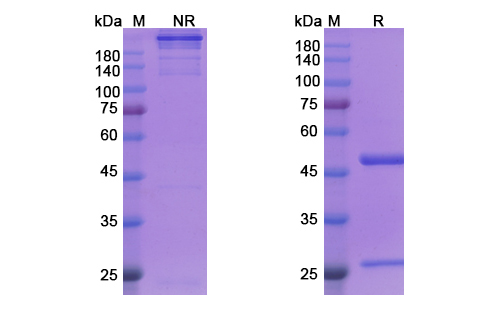
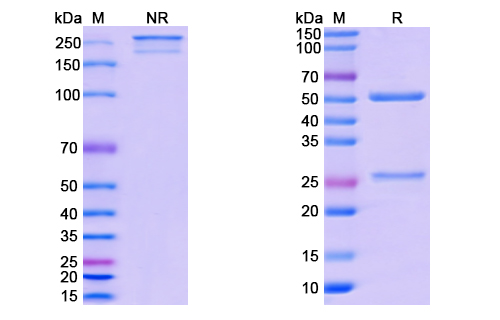
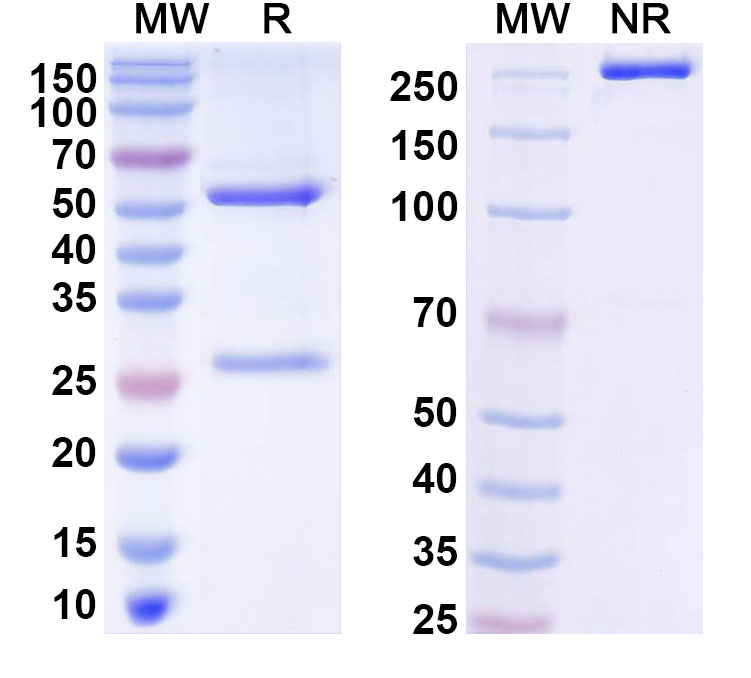
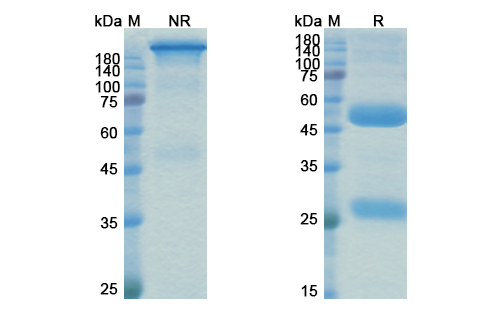
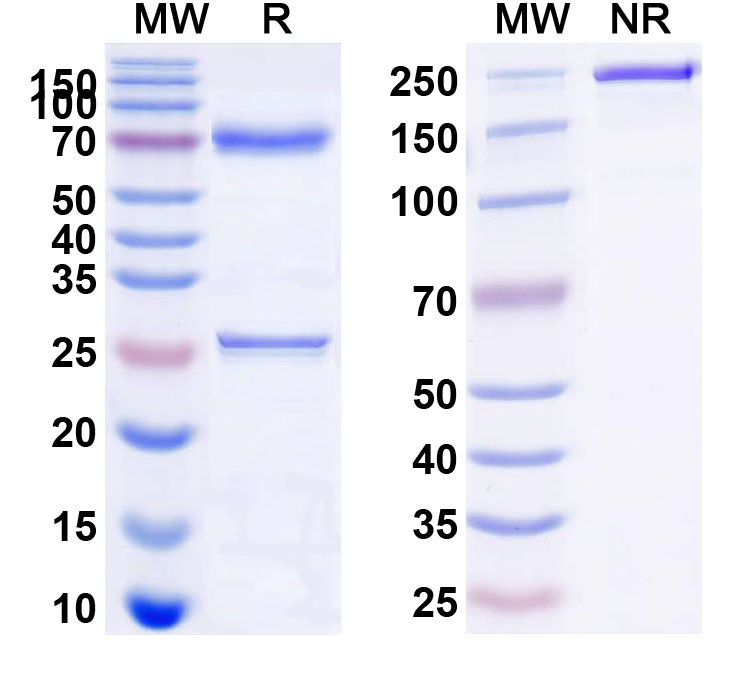
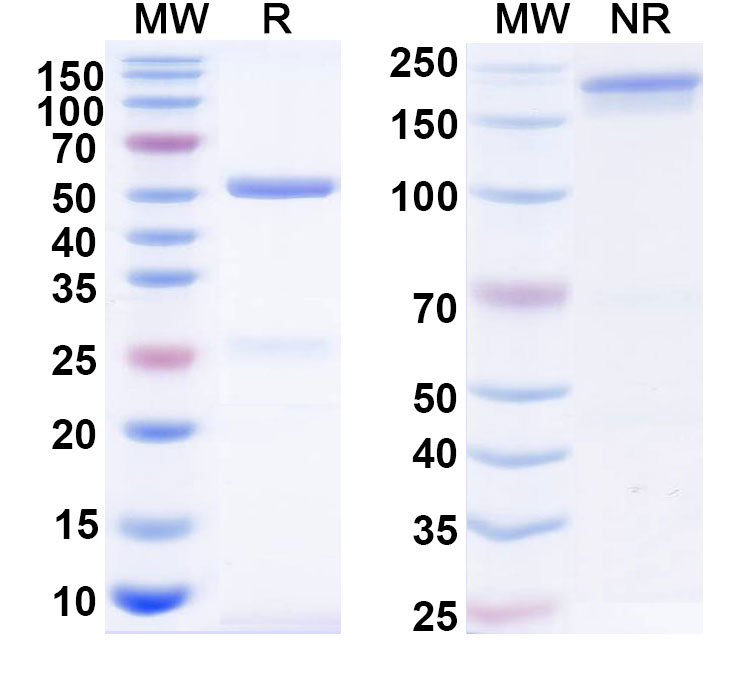
Ragifilimab Biosimilar is a humanized monoclonal antibody, which means that it is derived from human antibodies and has been modified to reduce its immunogenicity. It is composed of two heavy chains and two light chains, which are linked together by disulfide bonds. The antibody has a molecular weight of approximately 150 kDa and belongs to the IgG1 subclass.
Mechanism of Action
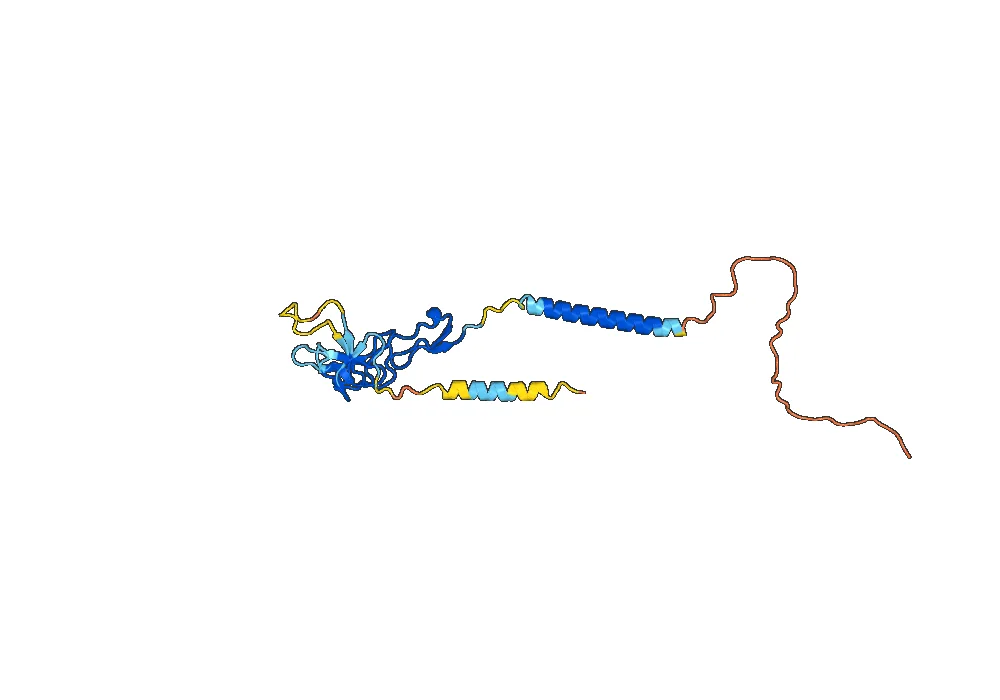
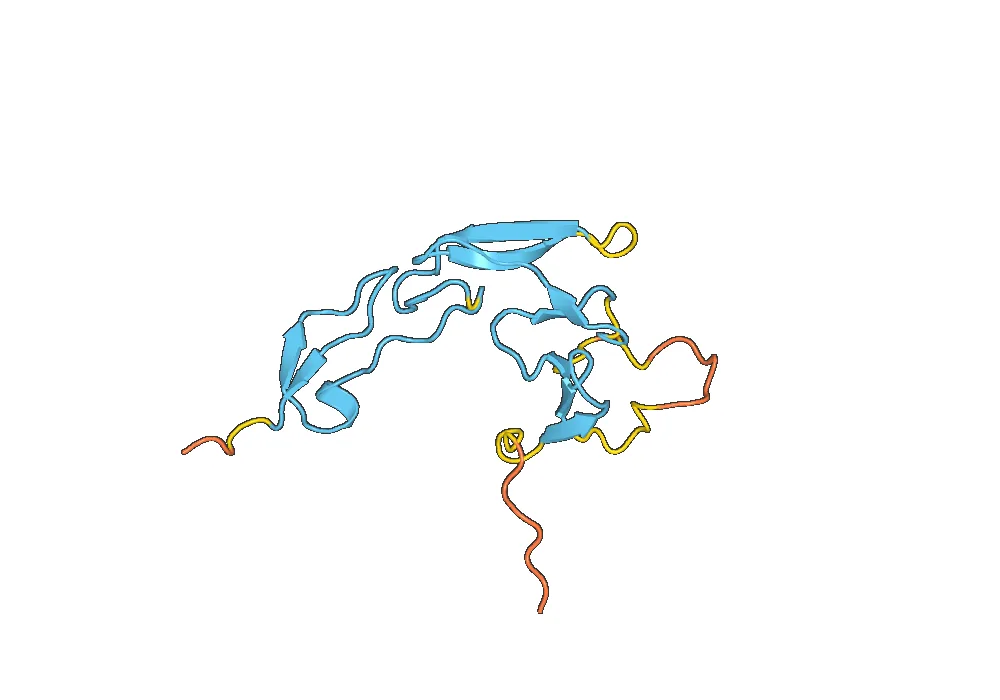
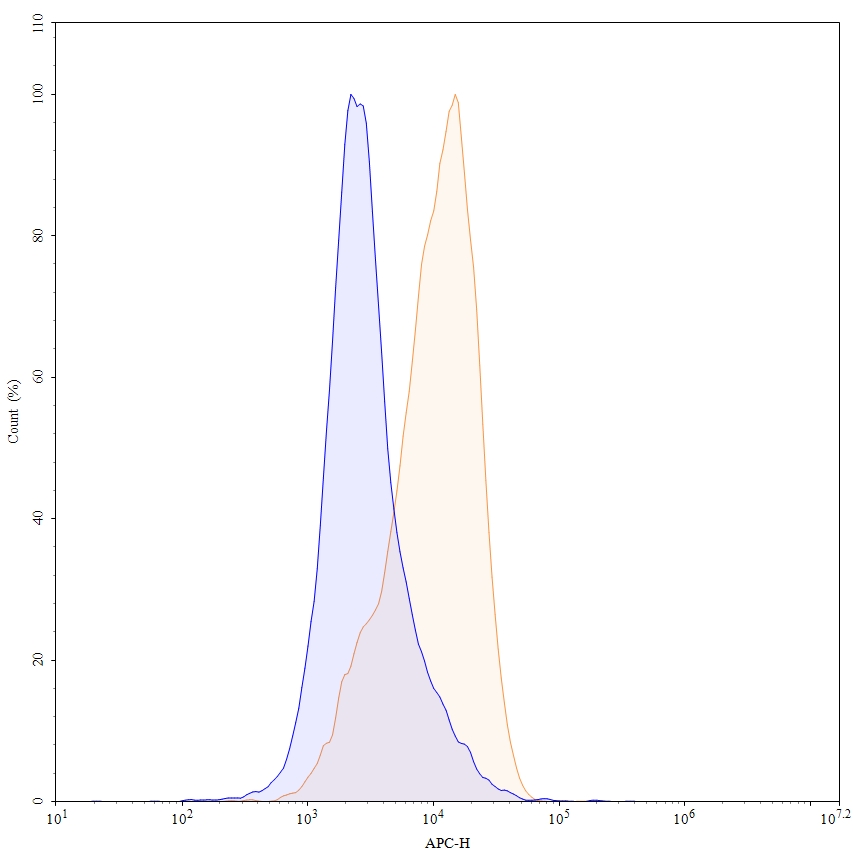
Ragifilimab Biosimilar targets TNFRSF18, also known as glucocorticoid-induced TNFR-related protein (GITR). This receptor is expressed on the surface of various immune cells, including T cells, B cells, and natural killer cells. When activated, TNFRSF18 promotes the survival and proliferation of these cells, as well as the production of pro-inflammatory cytokines. This can contribute to the development and progression of various autoimmune and inflammatory diseases.
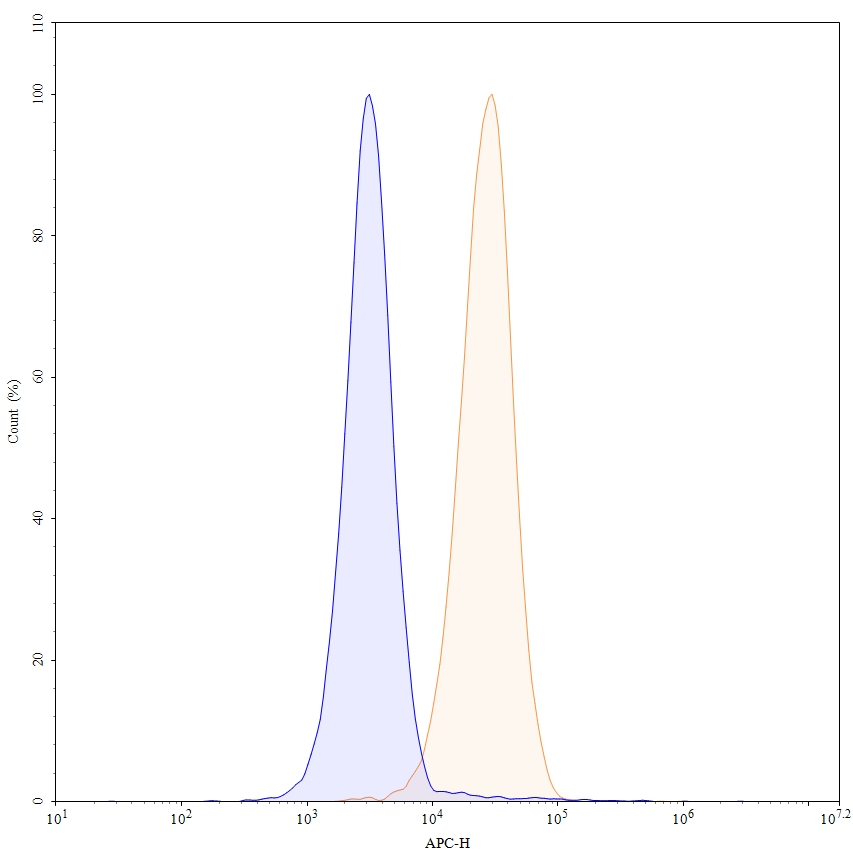
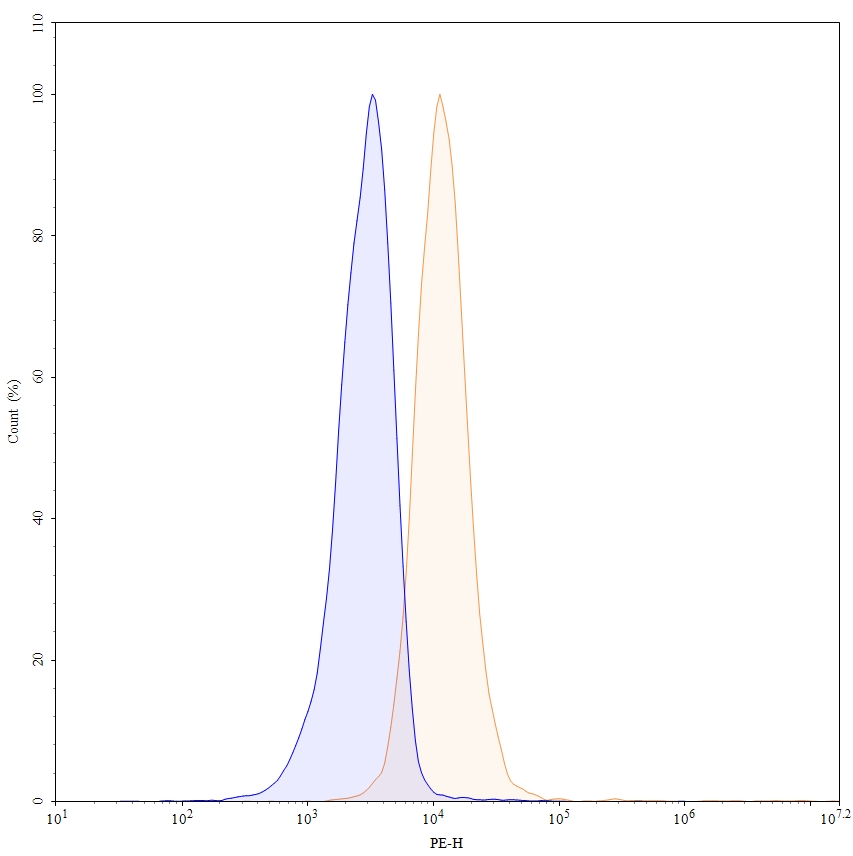
Ragifilimab Biosimilar binds to TNFRSF18 with high affinity and blocks its interaction with its ligand, GITRL. This prevents the activation of TNFRSF18 and subsequently inhibits the downstream signaling pathways, leading to decreased survival and proliferation of immune cells and reduced production of pro-inflammatory cytokines. This mechanism of action makes Ragifilimab Biosimilar a promising therapeutic option for diseases where TNFRSF18 plays a critical role.
Applications of Ragifilimab Biosimilar
Ragifilimab Biosimilar has shown potential in the treatment of various diseases, including autoimmune and inflammatory conditions. Some of the diseases that have been targeted in pre-clinical and clinical studies include rheumatoid arthritis, multiple sclerosis, and inflammatory bowel disease. These diseases are characterized by dysregulation of the immune system, and Ragifilimab Biosimilar’s ability to modulate immune responses makes it a promising candidate for their treatment.
In addition, Ragifilimab Biosimilar has also shown potential in the treatment of certain types of cancer. TNFRSF18 has been found to be overexpressed in various types of cancer, including breast, lung, and colon cancer. In these cancers, TNFRSF18 promotes tumor growth and survival, and its inhibition by Ragifilimab Biosimilar could potentially lead to tumor regression. Clinical trials are currently underway to evaluate the efficacy of Ragifilimab Biosimilar in different types of cancer.
Research Grade Ragifilimab Biosimilar
Ragifilimab Biosimilar is currently available in a research grade, which is intended for use in pre-clinical and clinical studies. This grade is produced using advanced biotechnology methods, ensuring high purity and consistency. It is also extensively characterized to ensure its safety and efficacy in research settings.
Conclusion
In summary, Ragifilimab Biosimilar is a promising therapeutic antibody that targets TNFRSF18, a key player in various autoimmune, inflammatory, and cancerous diseases. Its mechanism of action and potential applications make it a valuable addition to the existing treatment options. With ongoing research and clinical trials, Ragifilimab Biosimilar has the potential to improve the lives of patients suffering from these diseases.
There are no reviews yet.