Pagibaximab Biosimilar: A Potent Antibody Targeting Staphylococcus epidermidis Lipoteichoic Acid
Staphylococcus epidermidis is a gram-positive bacterium commonly found on human skin and mucous membranes. While typically harmless, it can cause serious infections in individuals with compromised immune systems or those with medical devices such as catheters or prosthetic joints. One of the key factors contributing to the virulence of S. epidermidis is its production of lipoteichoic acid (LTA), a cell wall component that promotes adhesion and biofilm formation. As such, targeting LTA has emerged as a promising therapeutic strategy for combating S. epidermidis infections.
Structure of Pagibaximab Biosimilar
Pagibaximab Biosimilar is a monoclonal antibody (mAb) designed to specifically bind to LTA on the surface of S. epidermidis. It is a biosimilar of the original Pagibaximab, developed by Nektar Therapeutics, which has shown promising results in clinical trials for the prevention of S. epidermidis infections in patients undergoing cardiac surgery.
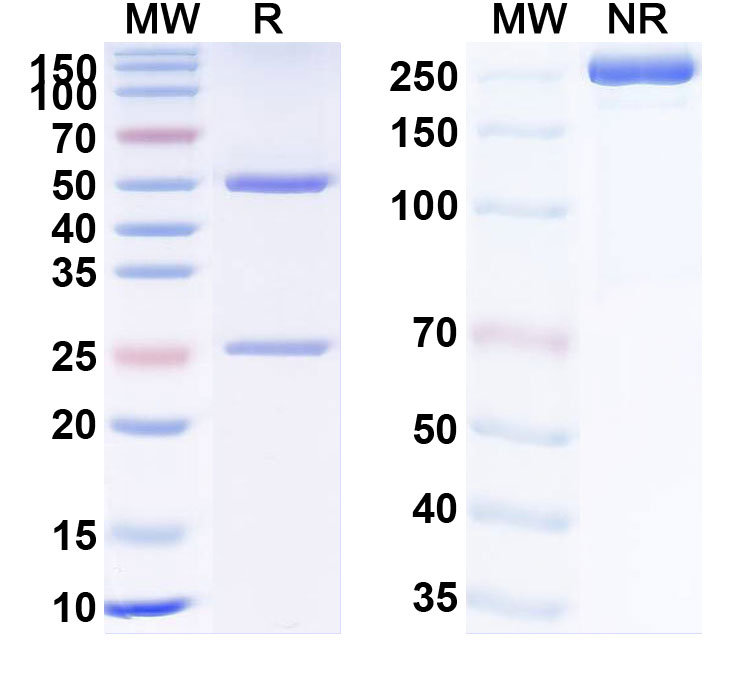
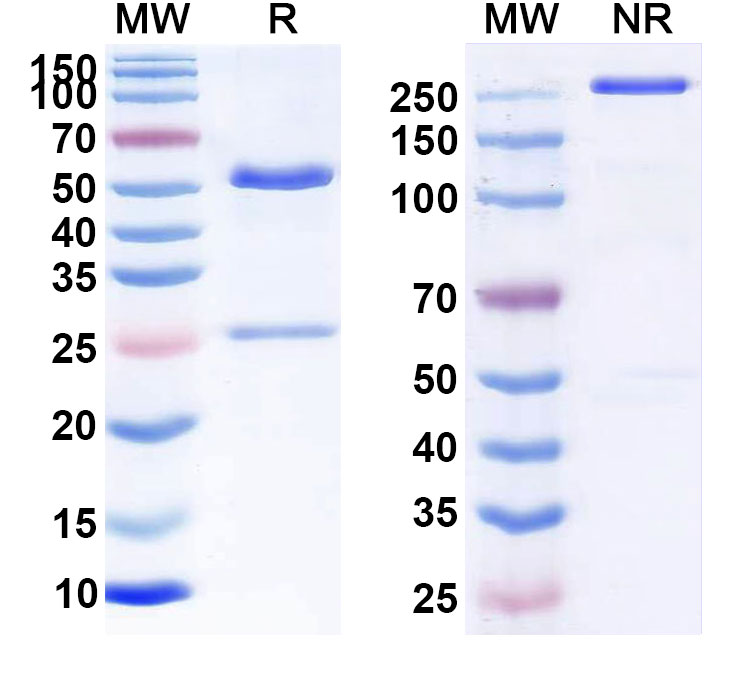
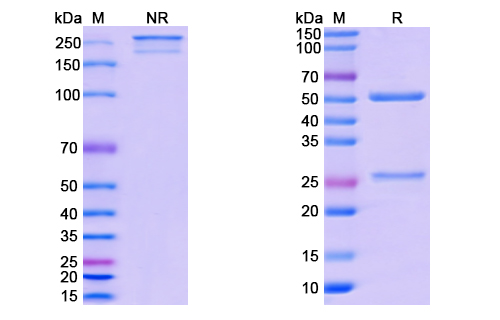
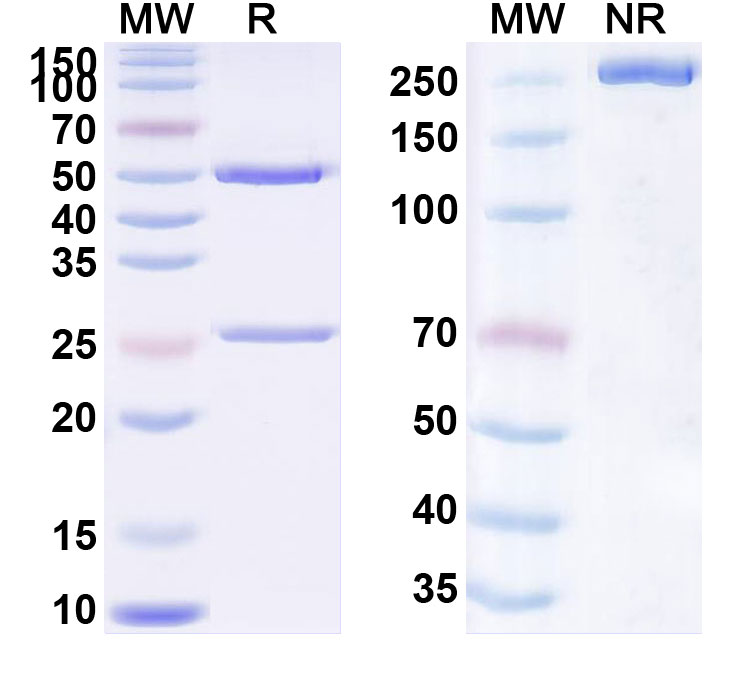
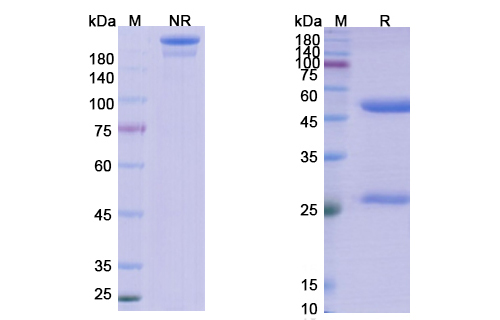
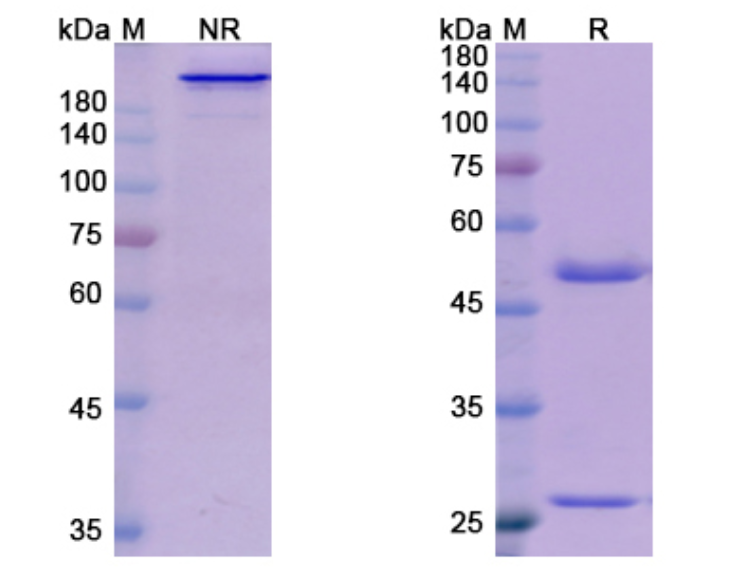
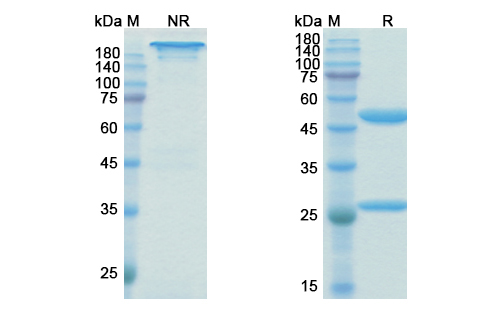
Like the original Pagibaximab, the biosimilar version is a chimeric IgG1 antibody, meaning it contains both human and murine components. The antibody is composed of two heavy chains and two light chains, each with a variable region that recognizes and binds to LTA, and a constant region that mediates effector functions such as complement activation and antibody-dependent cellular cytotoxicity.
Mechanism of Action
Pagibaximab Biosimilar exerts its therapeutic effect by binding to LTA on the surface of S. epidermidis, thereby preventing its attachment to host cells and inhibiting biofilm formation. In addition, the antibody can also activate the complement system, leading to the destruction of the bacterial cell. This dual mechanism of action makes Pagibaximab Biosimilar a potent weapon against S. epidermidis infections.
Research Grade Antibody
Pagibaximab Biosimilar is currently available as a research grade antibody, meaning it is intended for use in laboratory settings for research purposes only. This allows scientists to study the antibody’s characteristics, such as binding affinity and specificity, and to further understand its mechanism of action. It also provides a valuable tool for developing more effective treatments for S. epidermidis infections.
Potential Applications
The potential applications of Pagibaximab Biosimilar are vast, with the ultimate goal of preventing and treating S. epidermidis infections. In addition to its use in research, the antibody could potentially be developed into a therapeutic agent for use in clinical settings. This could include prophylactic administration to patients at high risk of S. epidermidis infections, such as those undergoing surgery or with implanted medical devices. It could also be used in combination with antibiotics to enhance their efficacy and reduce the risk of antibiotic resistance.
Furthermore, the biosimilar version of Pagibaximab offers the potential for a more cost-effective treatment option compared to the original Pagibaximab. This could make it more accessible to patients in need, particularly in developing countries where S. epidermidis infections are a major health concern.
Conclusion
Pagibaximab Biosimilar is a promising antibody targeting S. epidermidis LTA, with potential applications in both research and clinical settings. Its unique structure and dual mechanism of action make it a potent therapeutic tool for combating S. epidermidis infections. Further research and development of this biosimilar could lead to improved treatment options and better outcomes for patients at risk of these infections.


There are no reviews yet.