Introduction
Odesivimab Biosimilar, also known as Anti-Zaire Ebola virus mAb, is a monoclonal antibody (mAb) that has been developed as a potential treatment for Ebola virus disease (EVD). EVD is a severe and often fatal illness caused by the Zaire Ebola virus, and has been responsible for several outbreaks in Africa, including the 2014-2016 epidemic in West Africa. Odesivimab Biosimilar is a research grade antibody that has shown promising results in pre-clinical studies and may hold potential as a therapeutic option for EVD.
Structure of Odesivimab Biosimilar
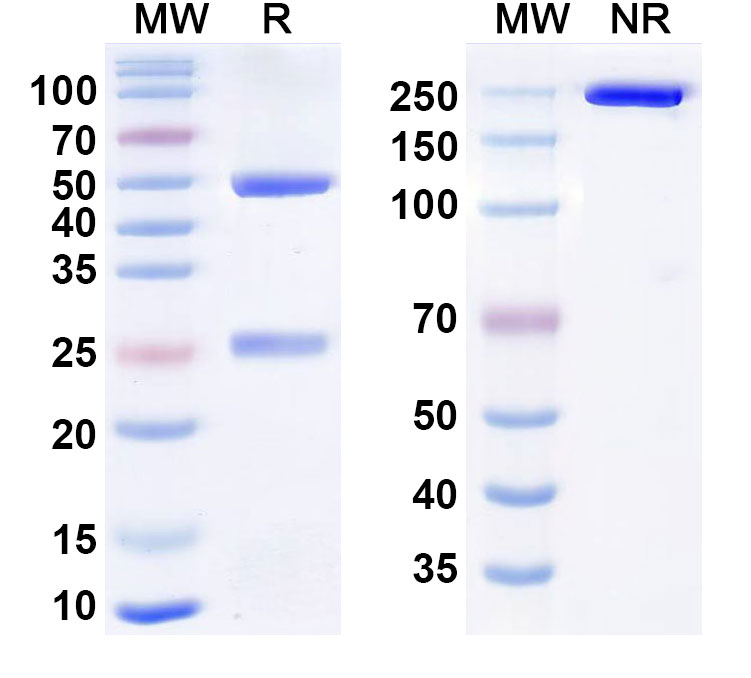
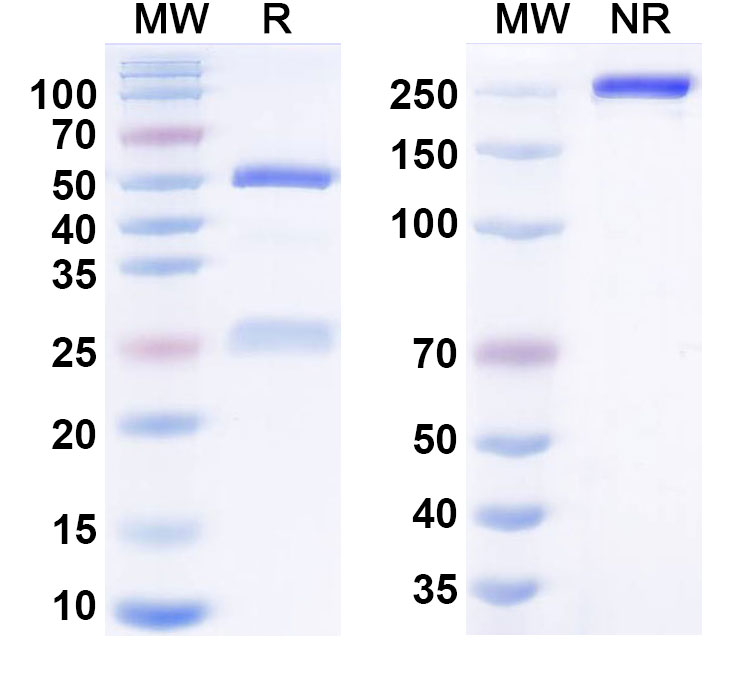
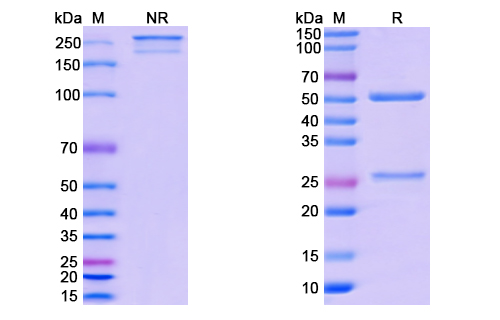
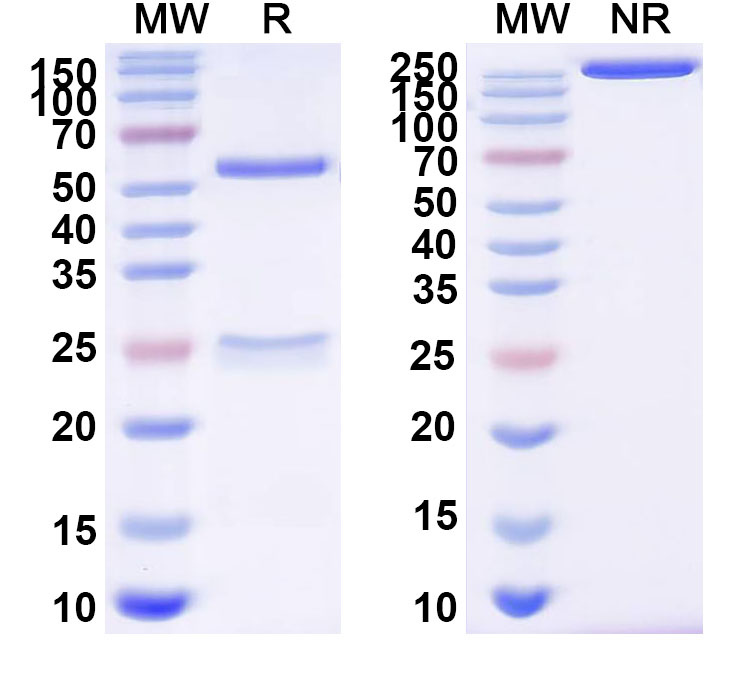
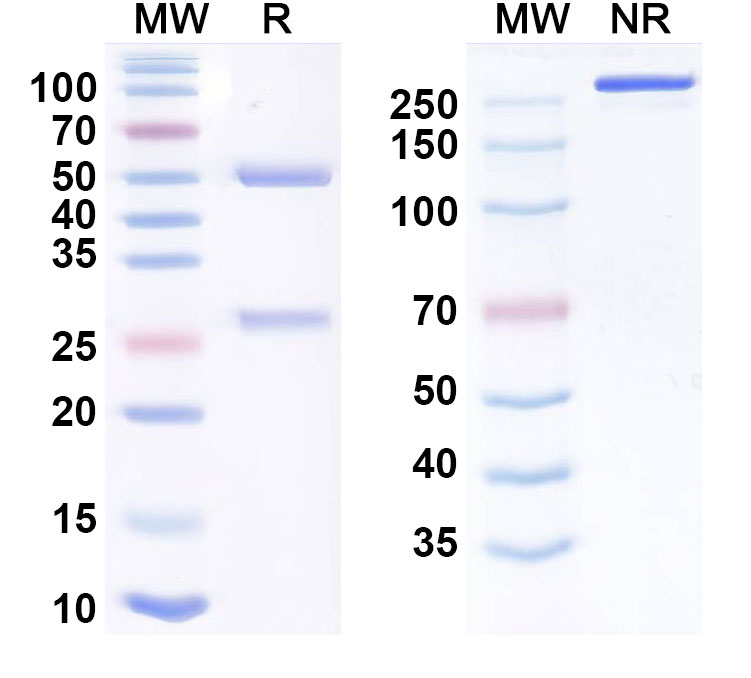
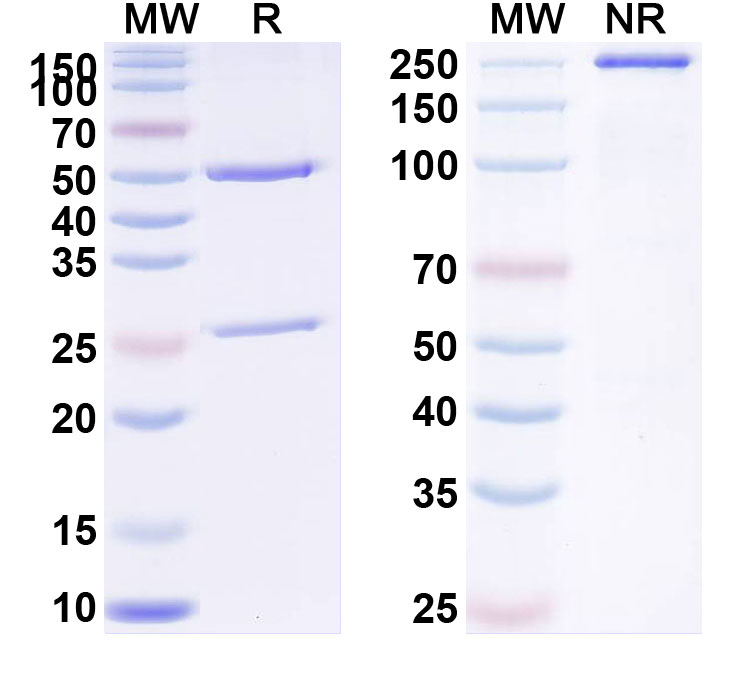
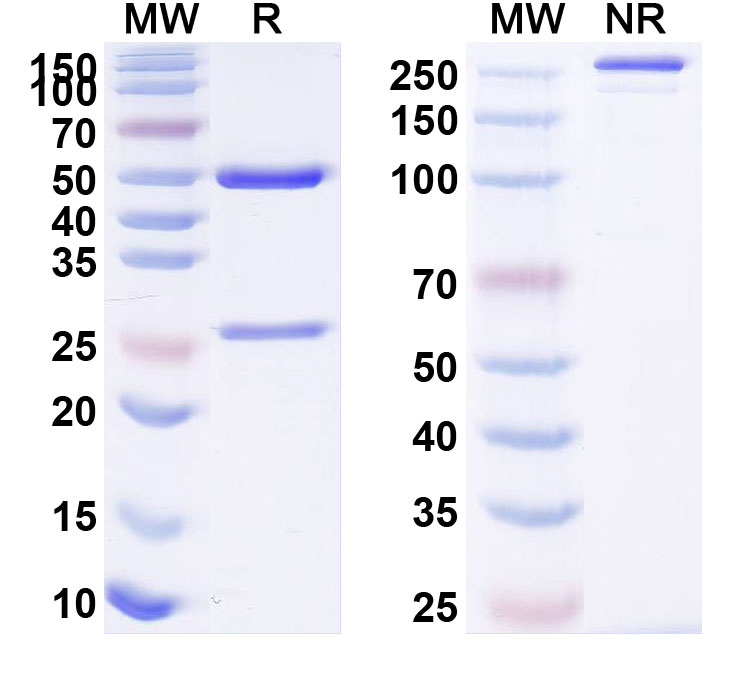
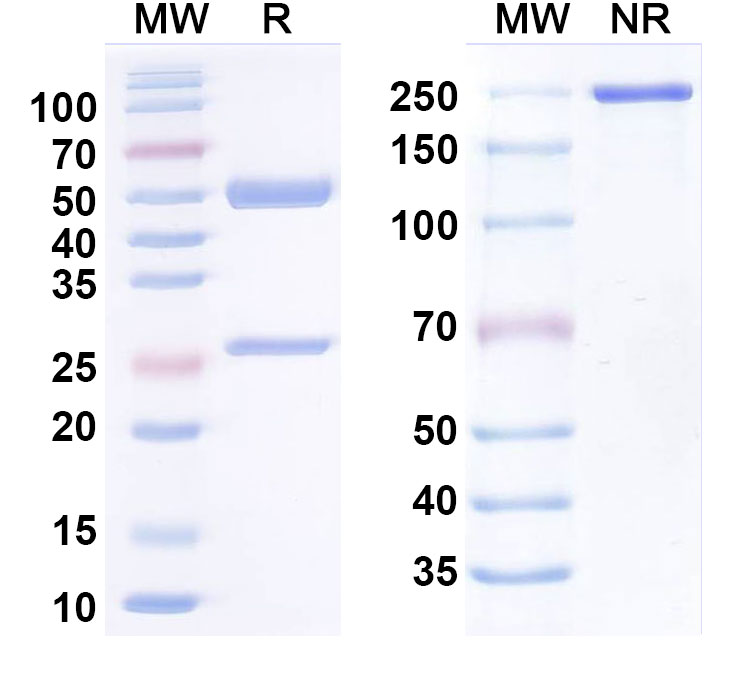
Odesivimab Biosimilar is a chimeric mAb, meaning it is composed of both human and non-human components. It is made up of two identical heavy chains and two identical light chains, which are linked together by disulfide bonds. The heavy chains consist of four constant regions (Fc) and one variable region (VH), while the light chains contain two constant regions (CL) and one variable region (VL).
The variable regions of Odesivimab Biosimilar are responsible for binding to specific target molecules, in this case, the Zaire Ebola virus. The constant regions, particularly the Fc region, play a crucial role in the effector functions of the antibody, such as antibody-dependent cellular cytotoxicity (ADCC) and complement-dependent cytotoxicity (CDC).
Activity of Odesivimab Biosimilar
Odesivimab Biosimilar works by binding to the glycoprotein (GP) on the surface of the Zaire Ebola virus. This GP is essential for the virus to enter and infect host cells. By binding to the GP, Odesivimab Biosimilar prevents the virus from attaching to and entering cells, thereby neutralizing its ability to cause infection.
In addition to neutralization, Odesivimab Biosimilar also has the potential to activate the immune system through its Fc region. This can lead to the destruction of virus-infected cells through ADCC and CDC, as well as the recruitment of other immune cells to help fight the infection.
Application of Odesivimab Biosimilar
The primary application of Odesivimab Biosimilar is as a potential treatment for EVD. It has shown promising results in pre-clinical studies, with one study demonstrating 100% survival in non-human primates infected with the Zaire Ebola virus when treated with Odesivimab Biosimilar.
Aside from its potential use as a therapeutic, Odesivimab Biosimilar can also be used as a research tool for studying the Zaire Ebola virus and its interactions with the immune system. Its ability to bind to and neutralize the virus can aid in the development of diagnostic tests and vaccines for EVD.
Conclusion
Odesivimab Biosimilar is a chimeric mAb that has shown promising results as a potential treatment for EVD. Its structure, activity, and potential applications make it a valuable tool for both therapeutic and research purposes. Further studies and clinical trials are needed to fully evaluate the efficacy and safety of Odesivimab Biosimilar, but it holds great potential in the fight against the deadly Zaire Ebola virus.
There are no reviews yet.