Introduction to Mouse CD268/BAFFR HEK293T Stable Cell Line
The Mouse CD268/BAFFR HEK293T Stable Cell Line is a valuable tool for studying the structure, activity and application of the mouse CD268/BAFFR protein. This stable cell line is derived from HEK293T cells, a commonly used cell line in biotechnology research, and has been genetically modified to stably express the mouse CD268/BAFFR protein. This allows for the production of a large quantity of this protein, which is essential for studying its function and potential therapeutic applications.
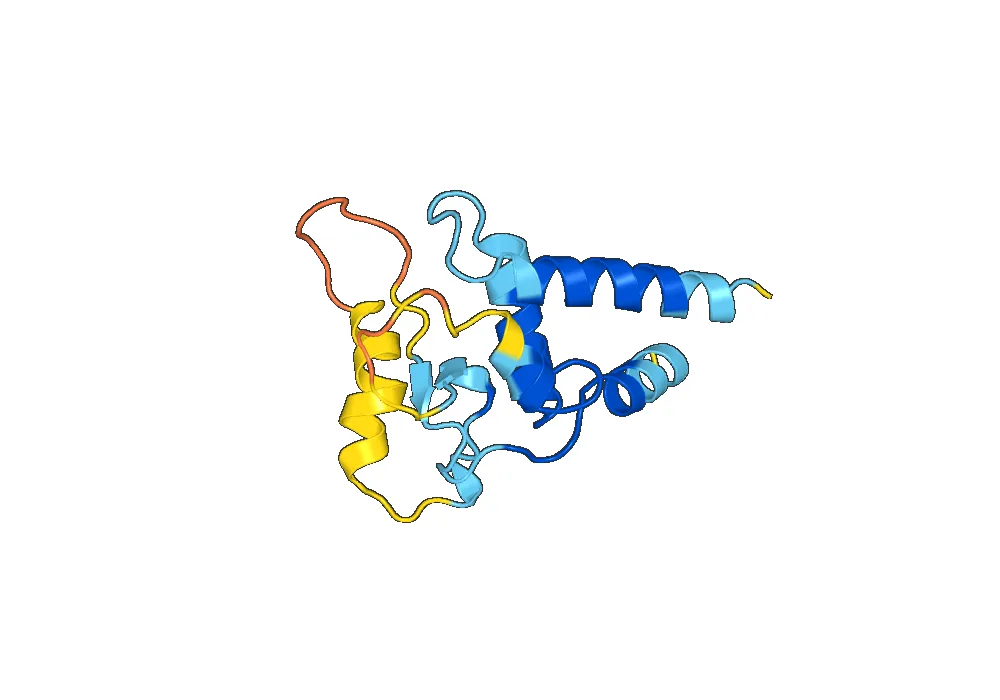
Structure of Mouse CD268/BAFFR
The mouse CD268/BAFFR protein, also known as the B-cell activating factor receptor, is a member of the tumor necrosis factor receptor superfamily. It is a type III transmembrane protein, meaning it spans the cell membrane and has both an extracellular and intracellular domain. The extracellular domain of CD268/BAFFR contains a cysteine-rich domain and a TNF receptor-associated factor (TRAF) binding motif, which are important for protein interactions and signaling. The intracellular domain contains a conserved death domain, which is involved in initiating downstream signaling pathways.
CD268/BAFFR is primarily expressed on B cells, but can also be found on other immune cells such as T cells and dendritic cells. It binds to its ligand, B-cell activating factor (BAFF), which is a cytokine that plays a critical role in B cell survival and maturation. This binding triggers a signaling cascade that ultimately leads to the activation and proliferation of B cells.
Activity of Mouse CD268/BAFFR
The main function of mouse CD268/BAFFR is to regulate B cell survival and maturation. BAFF binding to CD268/BAFFR activates the nuclear factor-kappa B (NF-κB) and mitogen-activated protein kinase (MAPK) signaling pathways, which promote B cell survival and proliferation. In addition, CD268/BAFFR signaling also plays a role in the differentiation of B cells into antibody-producing plasma cells.
Furthermore, CD268/BAFFR has been implicated in the development of autoimmune diseases and B cell malignancies. Dysregulation of the BAFF/CD268/BAFFR signaling pathway has been linked to conditions such as systemic lupus erythematosus and B cell lymphomas. Thus, understanding the activity of CD268/BAFFR is crucial for developing potential therapeutic interventions for these diseases.
Application of Mouse CD268/BAFFR HEK293T Stable Cell Line
The Mouse CD268/BAFFR HEK293T Stable Cell Line has a wide range of applications in both basic research and drug development. One of the main uses of this cell line is in the production of recombinant CD268/BAFFR protein for biochemical and structural studies. The stable expression of CD268/BAFFR in this cell line ensures a consistent and reliable source of protein for these studies.
In addition, this stable cell line can be used for functional studies to investigate the role of CD268/BAFFR in B cell biology and disease. For example, flow cytometry analysis using this cell line can be used to study the binding and signaling of BAFF to CD268/BAFFR on B cells. This can provide valuable insights into the mechanisms underlying B cell development and function.
Moreover, the Mouse CD268/BAFFR HEK293T Stable Cell Line can also be used as a tool for drug discovery. As mentioned earlier, CD268/BAFFR has been implicated in autoimmune diseases and B cell malignancies. Therefore, this cell line can be used to screen potential therapeutic compounds that target CD268/BAFFR signaling and may have potential in treating these diseases.


There are no reviews yet.