Introduction
Lorukafusp Biosimilar, also known as Anti-Ganglioside GD2 mAb, is a research grade monoclonal antibody that has been developed as a biosimilar to the original drug, Dinutuximab. It is a promising therapeutic agent for the treatment of neuroblastoma, a type of cancer that affects the nervous system in children. In this article, we will discuss the structure, activity, and potential applications of Lorukafusp Biosimilar in more detail.
Structure of Lorukafusp Biosimilar
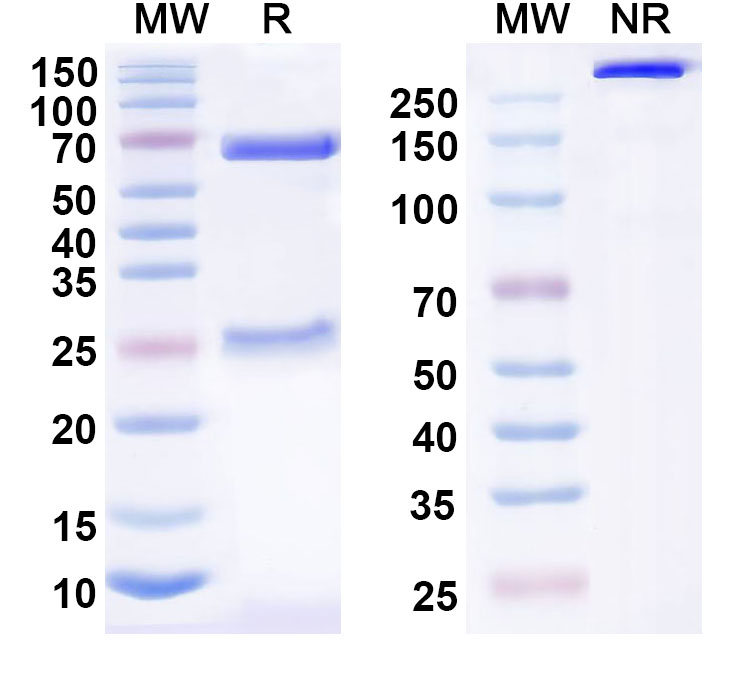
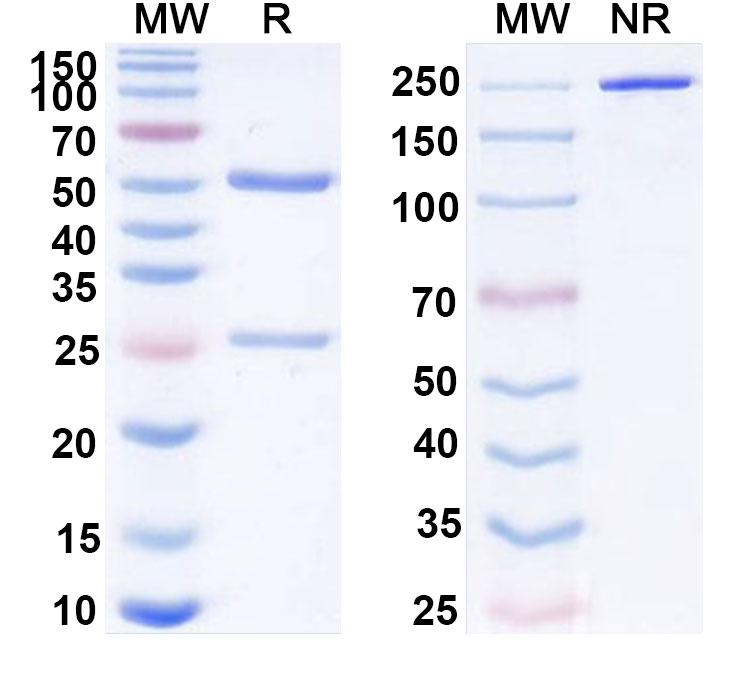
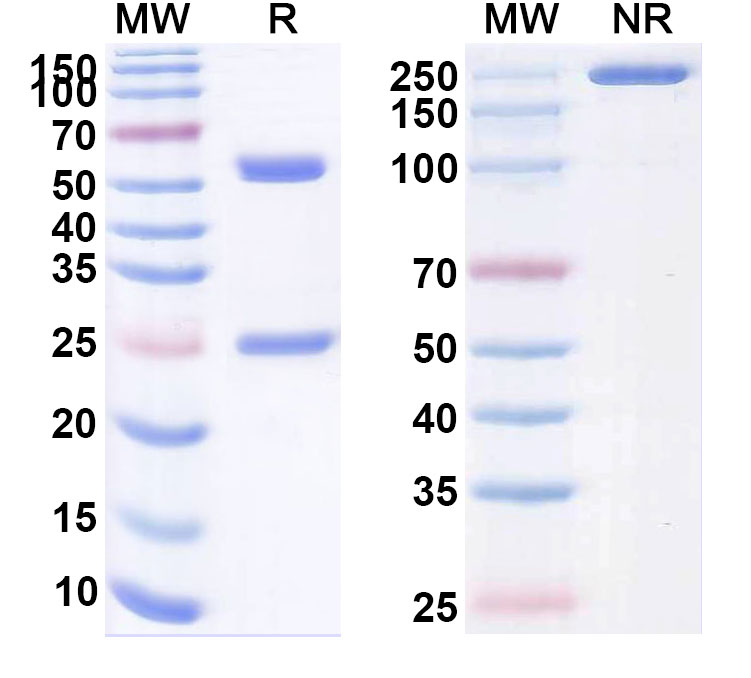
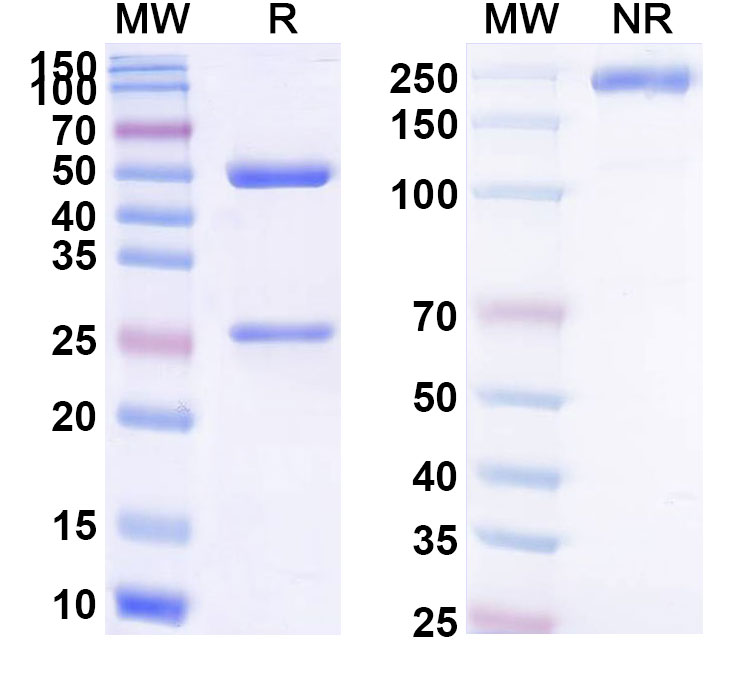
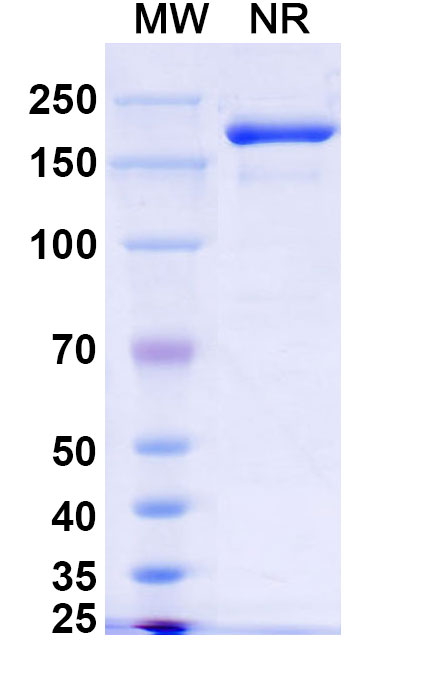
Lorukafusp Biosimilar is a recombinant humanized monoclonal antibody that specifically targets the GD2 ganglioside, a glycolipid that is highly expressed on the surface of neuroblastoma cells. The antibody is composed of two heavy chains and two light chains, each consisting of a variable region and a constant region. The variable regions are responsible for binding to the GD2 antigen, while the constant regions determine the effector functions of the antibody.
Activity of Lorukafusp Biosimilar
Lorukafusp Biosimilar exerts its activity by binding to the GD2 antigen on the surface of neuroblastoma cells. This binding triggers a series of events that ultimately lead to the destruction of the cancer cells. One of the main mechanisms of action of Lorukafusp Biosimilar is antibody-dependent cellular cytotoxicity (ADCC), where the antibody binds to the GD2 antigen and activates immune cells, such as natural killer (NK) cells, to attack and kill the cancer cells. In addition, Lorukafusp Biosimilar also induces apoptosis, or programmed cell death, in neuroblastoma cells, further contributing to its anti- cancer activity.
Potential Applications of Lorukafusp Biosimilar
As a research grade antibody, Lorukafusp Biosimilar is primarily used in pre-clinical studies to evaluate its efficacy and safety in the treatment of neuroblastoma. However, it has also shown potential for use in clinical trials and may eventually be approved for use as a therapeutic agent in the treatment of neuroblastoma. In addition, Lorukafusp Biosimilar may also have potential applications in other GD2-positive cancers, such as melanoma and small cell lung cancer.
Advantages of Lorukafusp Biosimilar
Compared to the original drug, Dinutuximab, Lorukafusp Biosimilar offers several advantages. First, it is a biosimilar, meaning it has a highly similar structure and activity to the original drug, making it a more cost-effective option. Second, as a humanized antibody, it has a lower risk of causing immune reactions in patients. Third, Lorukafusp Biosimilar has shown a higher binding affinity to the GD2 antigen compared to Dinutuximab, potentially leading to improved efficacy.
Conclusion
In summary, Lorukafusp Biosimilar is a promising research grade antibody that specifically targets the GD2 antigen on neuroblastoma cells. It exerts its activity through multiple mechanisms, including ADCC and apoptosis, and has potential applications in the treatment of neuroblastoma and other GD2-positive cancers. With its advantages over the original drug, Lorukafusp Biosimilar may eventually become a valuable therapeutic agent for these diseases.
There are no reviews yet.