Introduction to Libivirumab Biosimilar – Anti-HBV, HBsAg mAb
Libivirumab Biosimilar is a monoclonal antibody (mAb) that has been developed as a biosimilar to the original drug, Libivirumab, which is used for the treatment of Hepatitis B virus (HBV) infection. This biosimilar is designed to have a similar structure, activity, and application as the original drug, while also being more cost-effective. In this article, we will discuss the structure, activity, and application of Libivirumab Biosimilar in detail.
Structure of Libivirumab Biosimilar
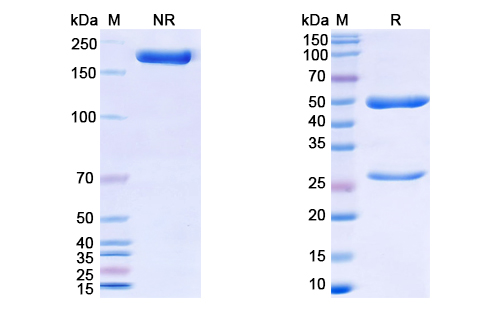
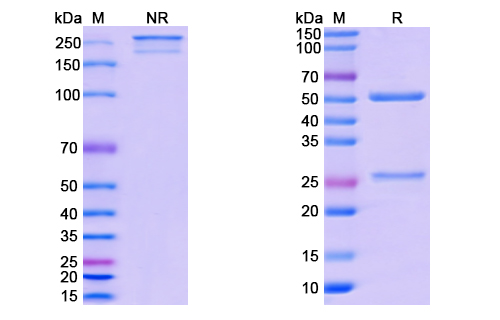
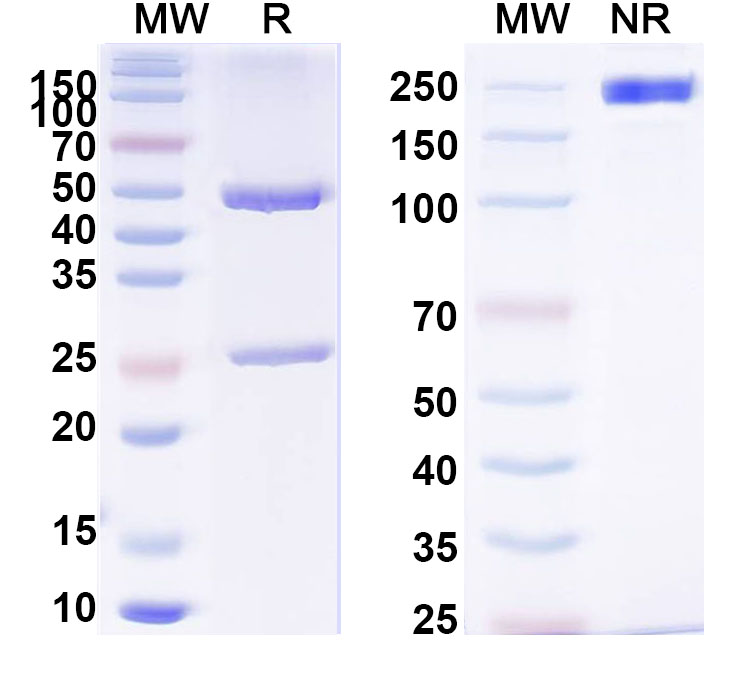
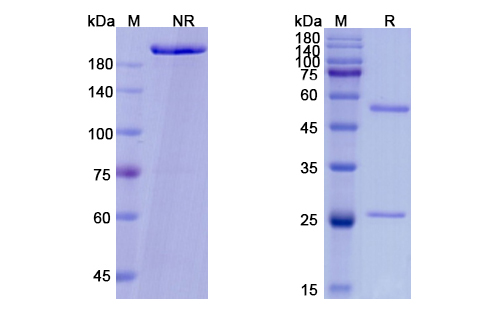
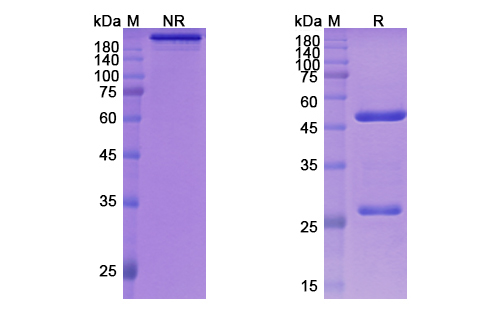
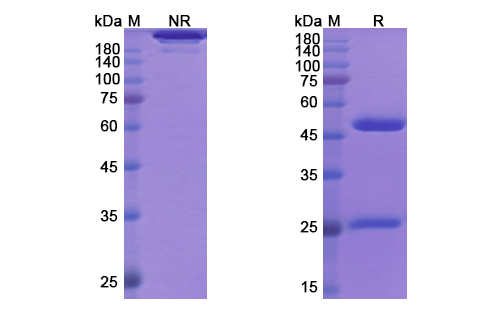
Libivirumab Biosimilar is a recombinant humanized IgG1 monoclonal antibody that is produced in Chinese hamster ovary (CHO) cells. It has a molecular weight of approximately 150 kDa and consists of two heavy chains and two light chains. The heavy chains are made up of constant and variable regions, while the light chains only have variable regions.
The variable regions of Libivirumab Biosimilar are responsible for its specificity and binding to the target antigen, HBsAg, which is a surface protein of the HBV. The constant regions of the antibody are important for its effector functions, such as antibody-dependent cell-mediated cytotoxicity (ADCC) and complement-dependent cytotoxicity (CDC).
Activity of Libivirumab Biosimilar
Libivirumab Biosimilar binds to HBsAg with high affinity and specificity, preventing the virus from entering liver cells and replicating. This leads to a decrease in viral load and a subsequent improvement in liver function. In addition, the antibody also activates the immune system to produce cytokines and recruit immune cells to eliminate infected cells.
The effector functions of Libivirumab Biosimilar, such as ADCC and CDC, also play a role in its activity. These functions help in the destruction of HBV-infected cells, further reducing viral load and improving liver function.
Application of Libivirumab Biosimilar
Libivirumab Biosimilar is primarily used for the treatment of HBV infection. It is indicated for patients with chronic HBV infection who have not responded to or cannot tolerate standard antiviral therapy. The biosimilar is administered via intravenous infusion and is usually given in combination with other antiviral drugs.
In addition to its therapeutic use, Libivirumab Biosimilar is also used in research studies to investigate the role of HBsAg in HBV infection and to develop new treatment strategies. Its high specificity and affinity for HBsAg make it a valuable tool for studying the virus and its interactions with the immune system.
Conclusion
Libivirumab Biosimilar is a recombinant humanized monoclonal antibody that has a similar structure, activity, and application as the original drug, Libivirumab. It binds to HBsAg with high affinity and specificity, preventing the virus from entering liver cells and replicating. The biosimilar is primarily used for the treatment of chronic HBV infection and is also valuable for research purposes. Its development as a biosimilar provides a more cost-effective option for patients, making it a promising addition to the treatment options for HBV infection.

There are no reviews yet.