Idactamab Biosimilar: A Promising Antibody Against SLC1A5 Introduction
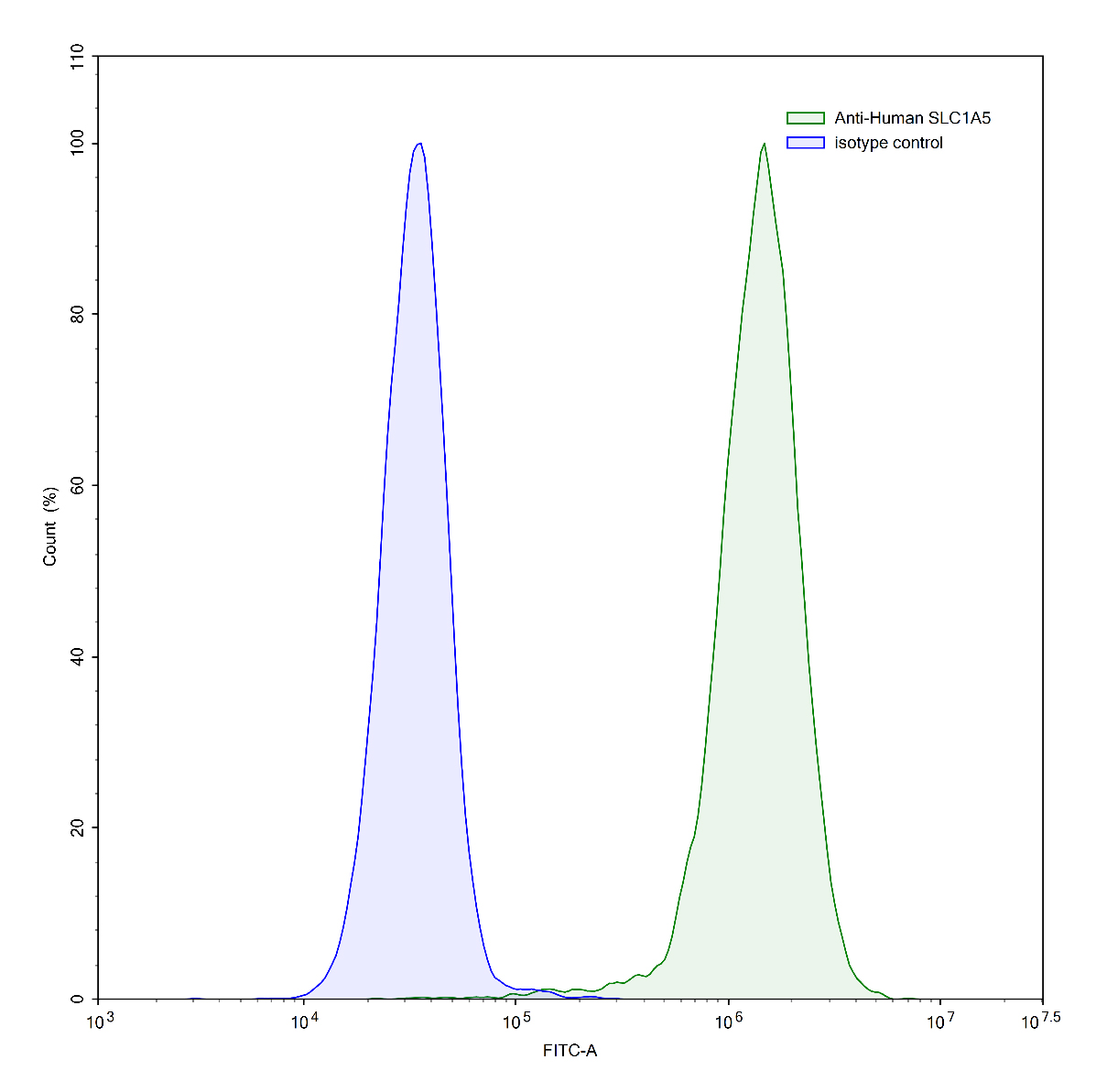
Idactamab Biosimilar is a novel monoclonal antibody (mAb) that specifically targets SLC1A5, a key amino acid transporter involved in cancer cell metabolism. This biosimilar has shown promising results in preclinical studies and is currently being evaluated in clinical trials as a potential therapeutic option for various types of cancer. In this article, we will provide a detailed description of the structure, activity, and potential applications of Idactamab Biosimilar as an anti-SLC1A5 mAb.
Structure of Idactamab Biosimilar
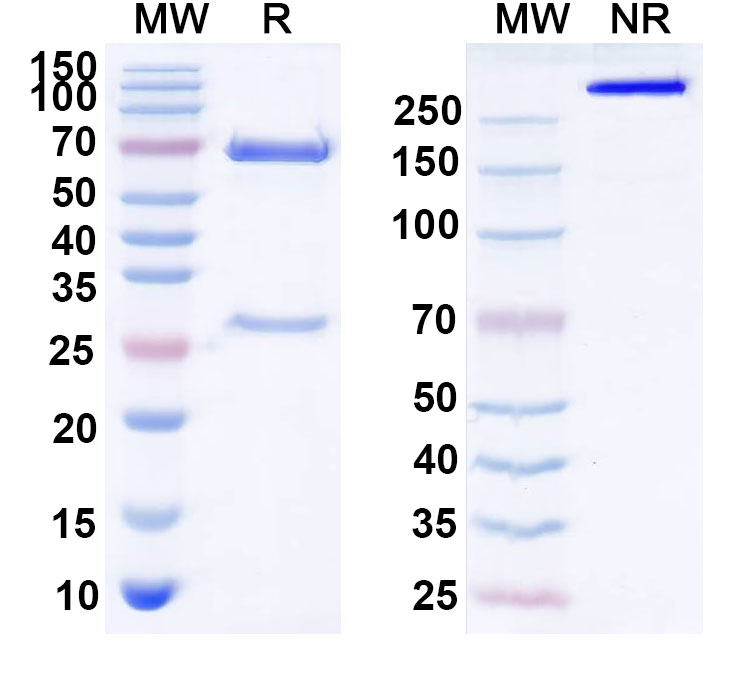
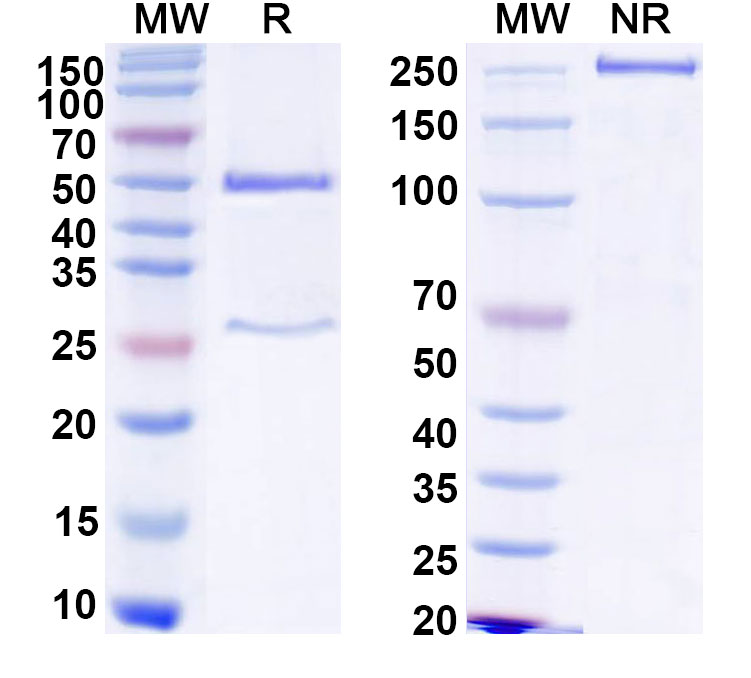
Idactamab Biosimilar is a recombinant humanized IgG1 antibody, with a molecular weight of approximately 150 kDa. It is composed of two heavy chains and two light chains, each containing a variable region and a constant region. The variable region of Idactamab Biosimilar is designed to specifically bind to the extracellular domain of SLC1A5, while the constant region is responsible for effector functions such as antibody-dependent cellular cytotoxicity (ADCC) and complement-dependent cytotoxicity (CDC).
Mechanism of Action
The primary mechanism of action of Idactamab Biosimilar is the inhibition of SLC1A5, a transporter protein that plays a crucial role in the uptake of glutamine, an essential amino acid for cancer cell growth and survival. By binding to SLC1A5, Idactamab Biosimilar blocks the transport of glutamine into cancer cells, leading to metabolic stress and ultimately cell death. Additionally, the effector functions of the antibody can also contribute to its anti-tumor activity by recruiting immune cells to attack and destroy cancer cells.
Therapeutic Applications
Idactamab Biosimilar is being investigated as a potential treatment for various types of cancer, including solid tumors and hematological malignancies. Preclinical studies have shown promising results in inhibiting the growth and proliferation of cancer cells, both in vitro and in animal models. In addition, the biosimilar has also demonstrated the ability to sensitize cancer cells to other anti- cancer therapies, such as chemotherapy and radiation therapy.
Solid Tumors
Idactamab Biosimilar has shown promising results in preclinical studies as a potential treatment for solid tumors, such as lung, breast, and pancreatic cancer. These types of cancers are known to have high levels of SLC1A5 expression, making them potential targets for this biosimilar. In addition, the effector functions of the antibody can also contribute to its anti-tumor activity by recruiting immune cells to attack and destroy cancer cells.
Hematological Malignancies
Idactamab Biosimilar has also shown potential in the treatment of hematological malignancies, such as lymphoma and leukemia. These types of cancers are characterized by abnormal metabolism and high glutamine dependency, making them vulnerable to the inhibitory effects of Idactamab Biosimilar. Furthermore, the biosimilar has also demonstrated the ability to enhance the efficacy of existing treatments for these types of cancers.
Current Clinical Trials
Currently, Idactamab Biosimilar is being evaluated in several clinical trials for the treatment of various types of cancer. These trials are primarily focused on assessing the safety and efficacy of the biosimilar in combination with other anti- cancer therapies, as well as in different patient populations. The results of these trials will provide valuable insights into the potential of Idactamab Biosimilar as a therapeutic option for cancer patients.
Conclusion
In conclusion, Idactamab Biosimilar is a promising anti-SLC1A5 mAb that has shown potential in preclinical studies and is currently being evaluated in clinical trials for the treatment of various types of cancer. Its unique

There are no reviews yet.