Introduction to Recombinant Human IL2 Protein, C-His
Recombinant Human IL2 Protein, C-His is a highly purified and bioactive protein that is produced through recombinant DNA technology. It is a form of Interleukin-2 (IL-2), a cytokine that plays a critical role in the immune system by regulating the growth and activity of various immune cells. This protein is widely used in both research and therapeutic settings due to its potent immunostimulatory properties.
Structure of Recombinant Human IL2 Protein, C-His
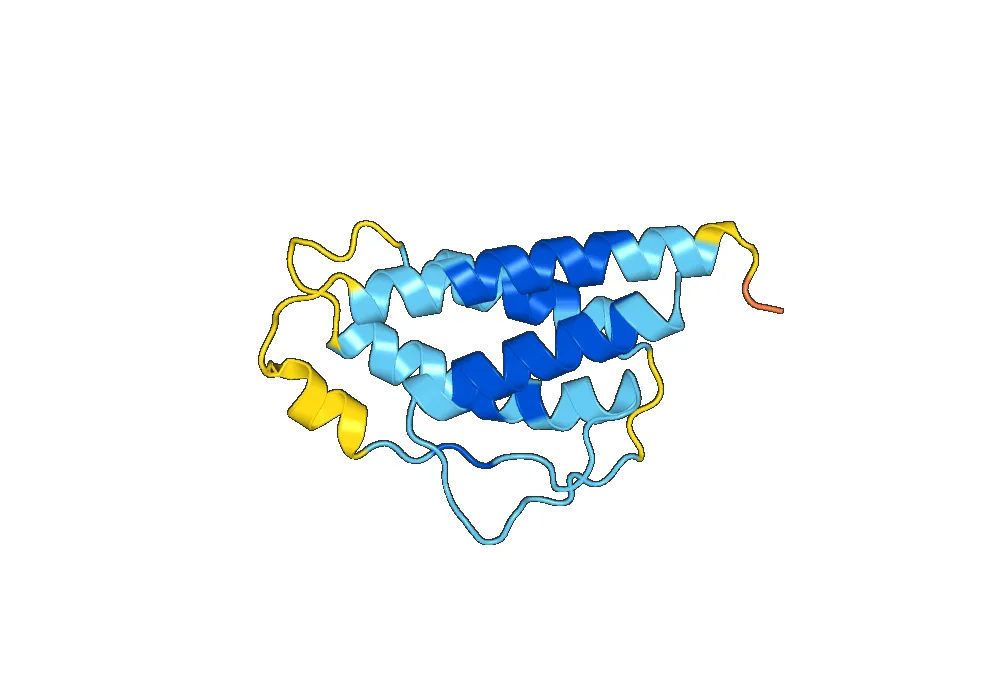
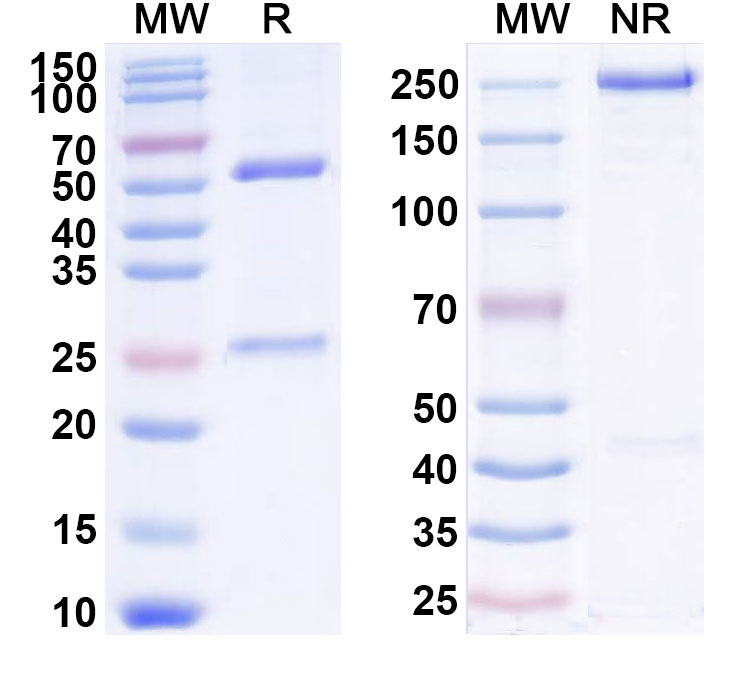
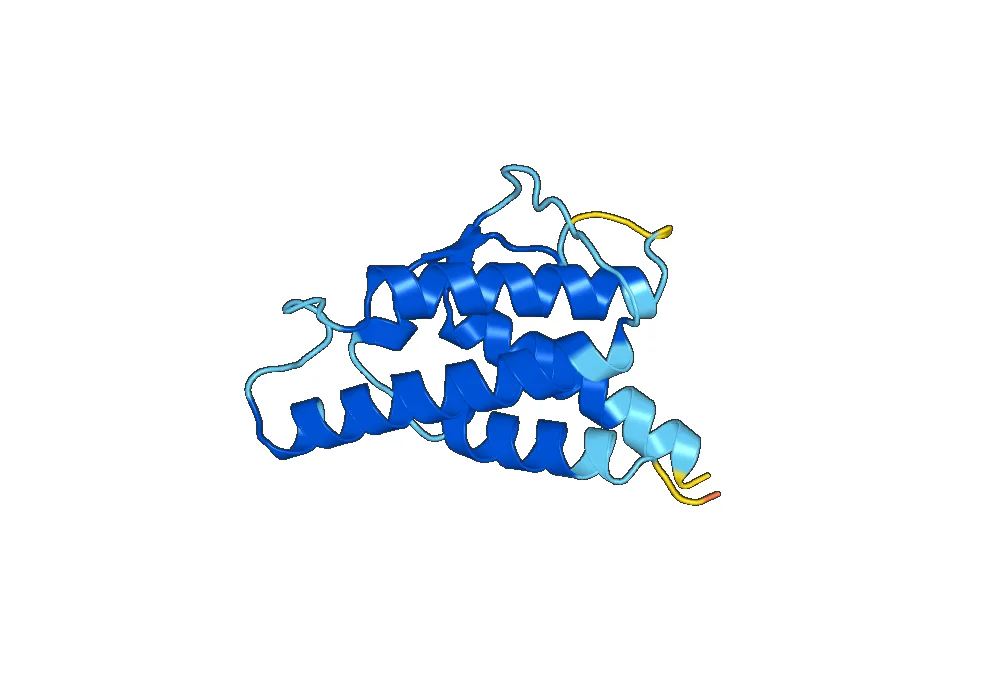
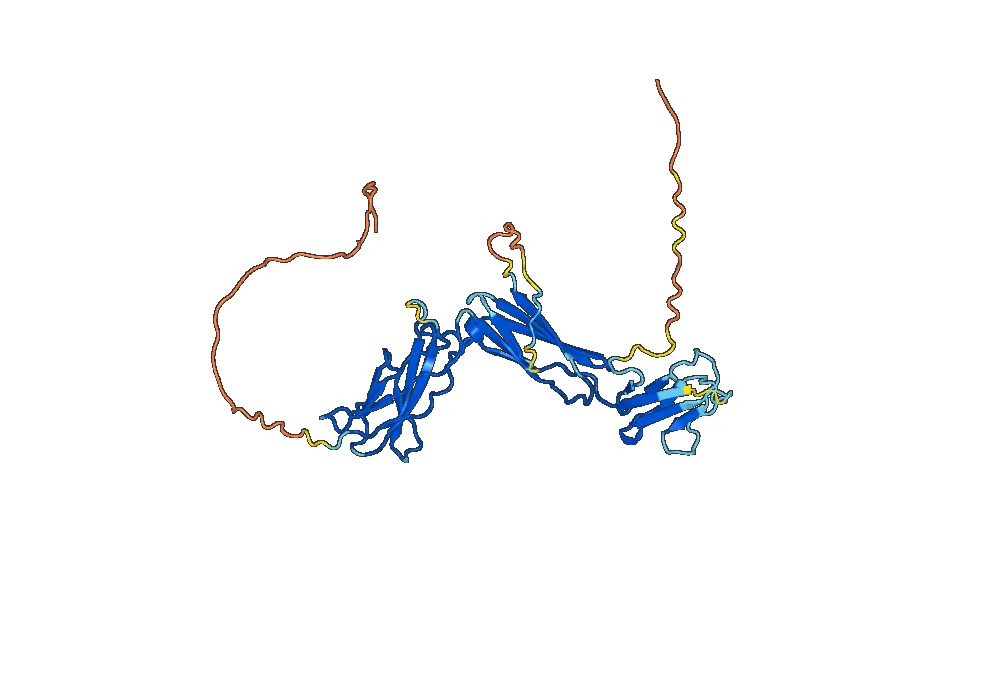
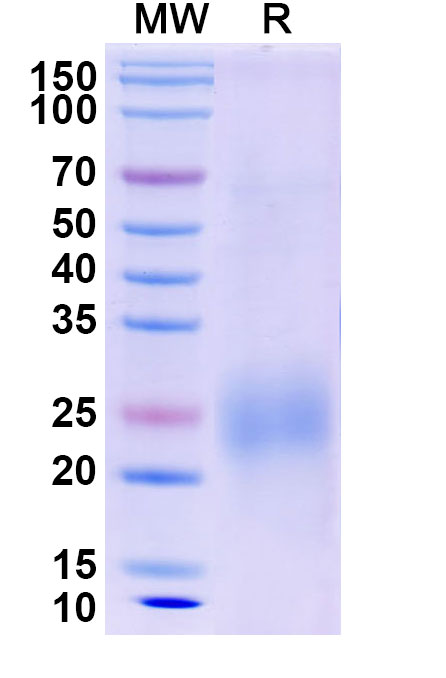
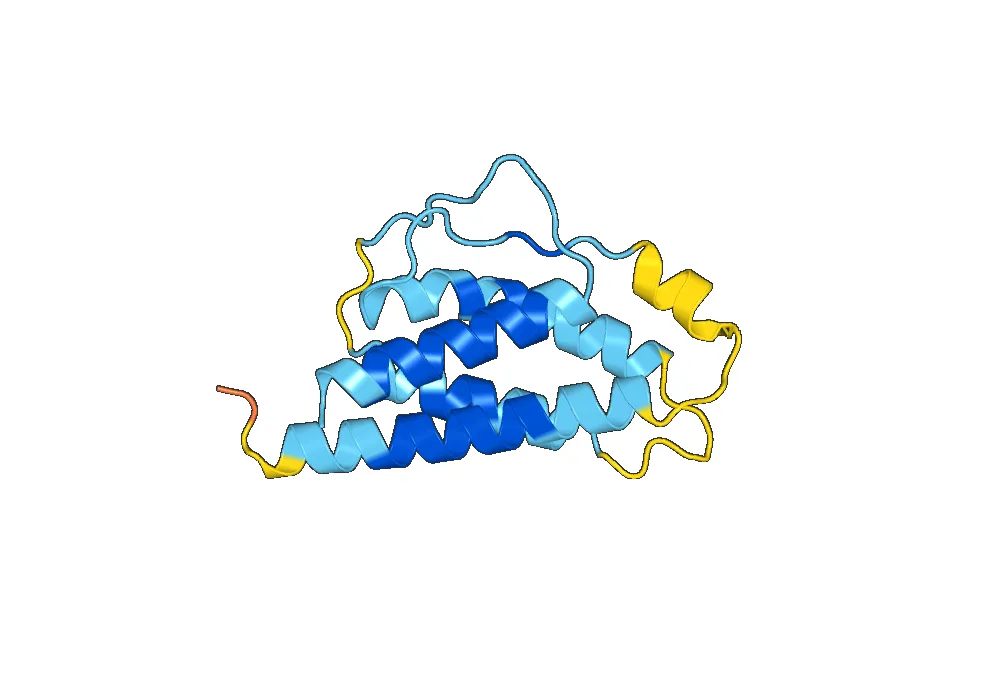
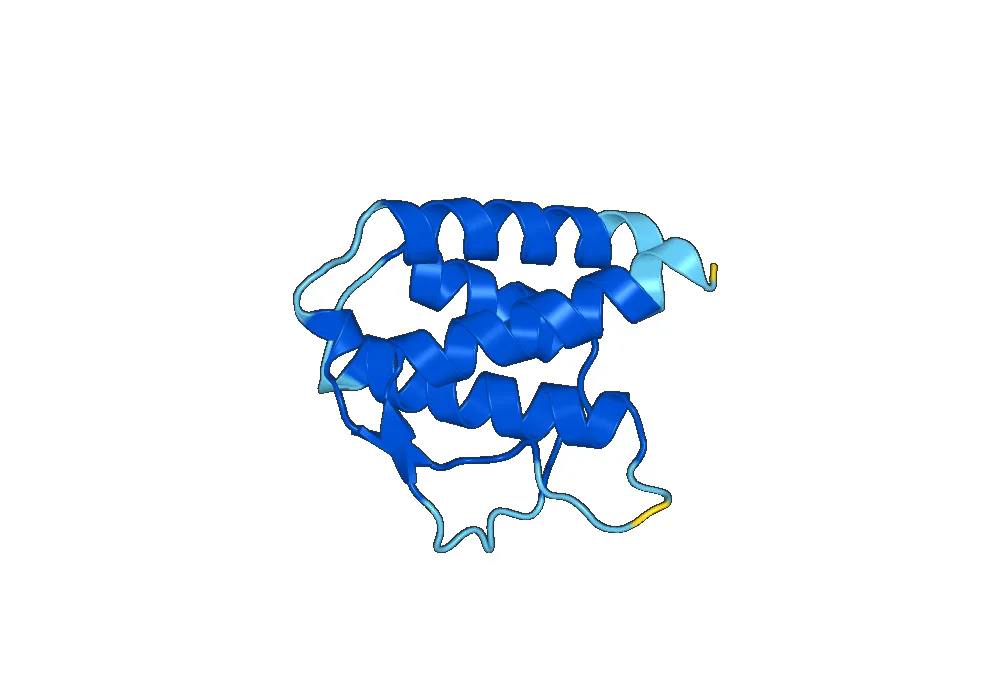
The primary structure of Recombinant Human IL2 Protein, C-His is composed of 133 amino acids with a molecular weight of approximately 15 kDa. It is a single-chain glycoprotein with three disulfide bonds that contribute to its stable and biologically active conformation. The protein is expressed in a mammalian cell system, ensuring proper folding and post-translational modifications that are essential for its activity.
Recombinant Human IL2 Protein, C-His also contains a C-terminal histidine tag (C-His) that allows for easy purification and detection using affinity chromatography and Western blotting techniques, respectively. This tag does not affect the biological activity of the protein and can be removed if necessary.
Activity of Recombinant Human IL2 Protein, C-His
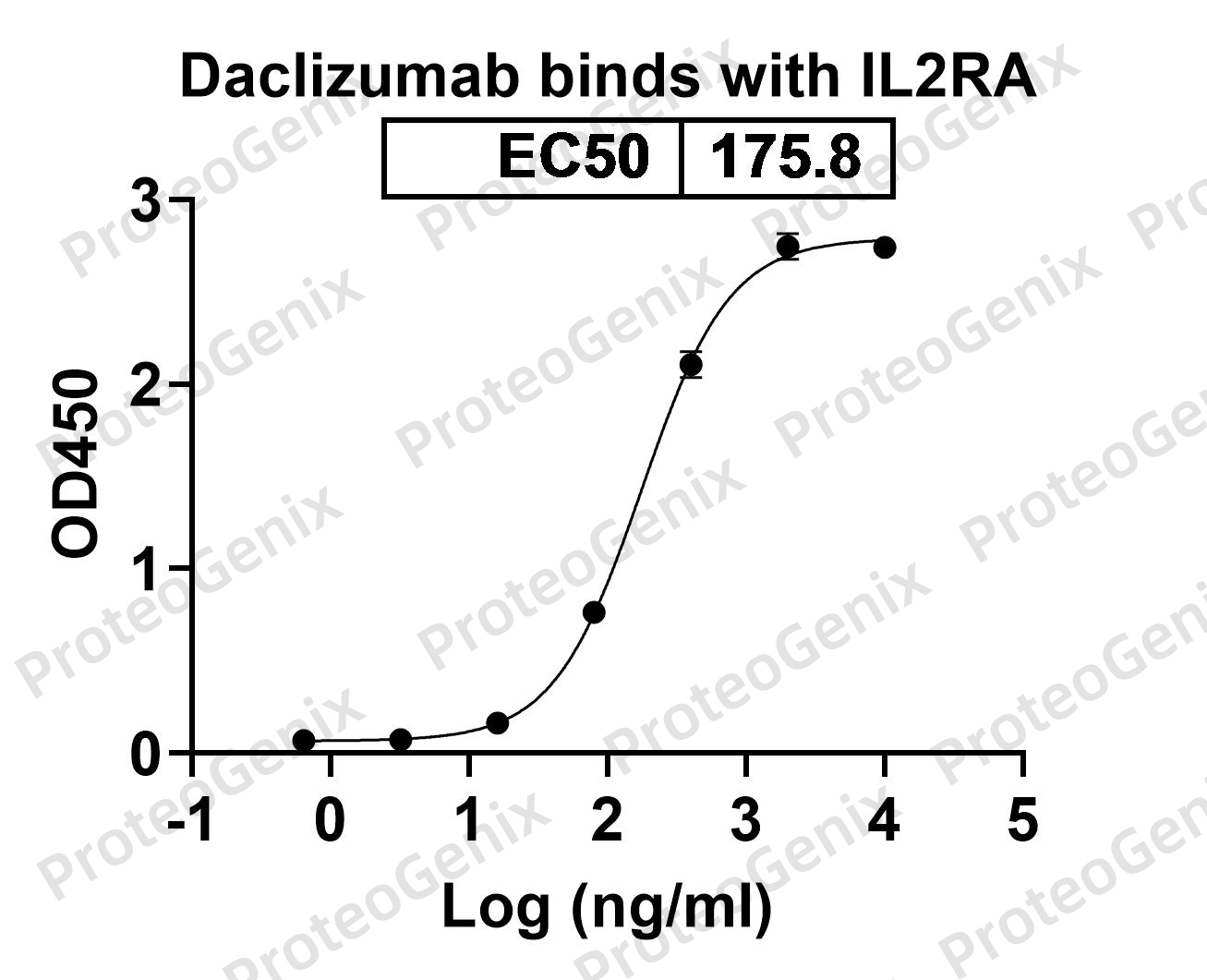
Recombinant Human IL2 Protein, C-His is a potent immunostimulatory cytokine that primarily acts on T cells and natural killer (NK) cells. It binds to the IL-2 receptor (IL-2R) complex, which is composed of three subunits: IL-2Rα, IL-2Rβ, and IL-2Rγ. This binding triggers a cascade of signaling events that lead to the proliferation, activation, and differentiation of immune cells.
One of the key functions of Recombinant Human IL2 Protein, C-His is its ability to promote the expansion and survival of T cells, particularly CD4+ helper T cells and CD8+ cytotoxic T cells. This results in a robust immune response against foreign pathogens and cancer cells. Additionally, IL-2 also enhances the cytotoxic activity of NK cells, making it an important mediator of innate immunity.
Moreover, Recombinant Human IL2 Protein, C-His has been shown to induce the production of other cytokines and chemokines, such as interferon-gamma (IFN-γ) and tumor necrosis factor-alpha (TNF-α), which further contribute to its immunostimulatory effects. These activities make it a promising therapeutic target for various diseases that involve dysregulation of the immune system.
Application of Recombinant Human IL2 Protein, C-His
Recombinant Human IL2 Protein, C-His has been extensively used in research studies to investigate the role of IL-2 in immune responses and to develop new therapies for immune-related disorders. It is commercially available in both preclinical and clinical grades, making it suitable for a wide range of applications.
In the field of immunology, Recombinant Human IL2 Protein, C-His is commonly used to stimulate T cell proliferation and activation in vitro, as well as to evaluate the efficacy of novel immunotherapies. It is also used in animal models to study the immune response to infections and tumors, and to test the potential of IL-2-based treatments.
On the therapeutic front, Recombinant Human IL2 Protein, C-His has been approved by the FDA as a treatment for metastatic melanoma and renal cell carcinoma. It is also being investigated for its potential in other types of cancer, such as lymphoma, leukemia, and solid tumors. Furthermore, IL-2 therapy has shown promising results in treating autoimmune diseases, such as multiple sclerosis and type 1 diabetes.

There are no reviews yet.