Introduction
Human IgG4 isotype control antibody is a type of monoclonal antibody that is used in scientific research and therapeutic applications. It is a crucial tool in the field of immunology, as it helps researchers to accurately determine the specificity and activity of other antibodies. In this article, we will discuss the structure, activity, and application of Human IgG4 isotype control antibody.
Structure of Human IgG4 Isotype Control Antibody
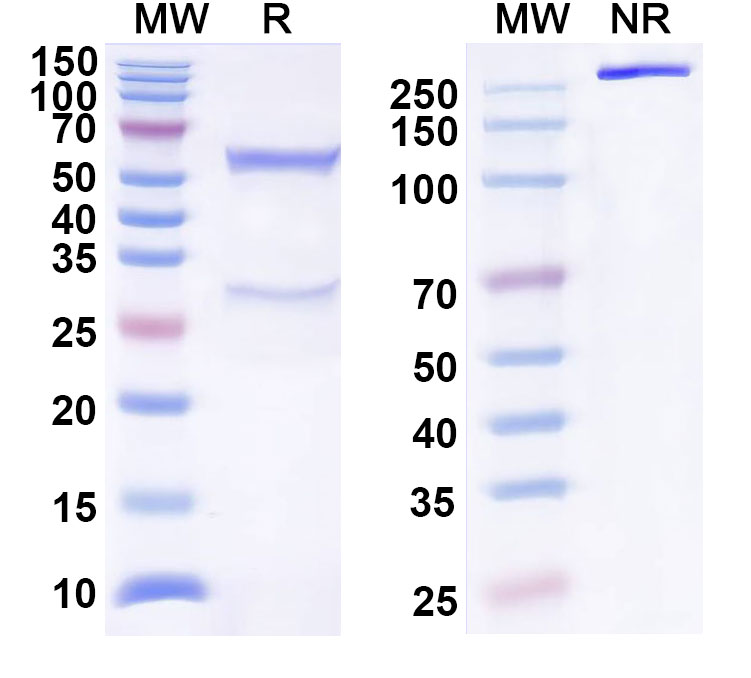
Human IgG4 isotype control antibody is a member of the immunoglobulin G (IgG) family of antibodies. It is composed of four protein chains, two heavy chains and two light chains, which are connected by disulfide bonds. The heavy chains consist of a variable region and a constant region, while the light chains only have a variable region. The variable region is responsible for binding to specific antigens, while the constant region determines the isotype of the antibody.
Activity of Human IgG4 Isotype Control Antibody
The primary function of Human IgG4 isotype control antibody is to serve as a negative control in experiments involving other antibodies. It has no specific binding activity to any antigen, making it an ideal control for experiments that require the assessment of non-specific binding. This antibody is also used to determine the background signal in assays, as it does not interfere with the results of the experiment.
Application of Human IgG4 Isotype Control Antibody
Human IgG4 isotype control antibody has a wide range of applications in both research and therapeutic settings. Some of the key applications include:
Therapeutic Target
Human IgG4 isotype control antibody is used as a therapeutic target in the treatment of autoimmune diseases and allergies. In these conditions, the body’s immune system mistakenly attacks its own cells or reacts to harmless substances, causing inflammation and tissue damage. By binding to specific antigens and blocking their activity, Human IgG4 isotype control antibody can help to regulate the immune response and reduce the symptoms of these conditions.
Research Use
In research, Human IgG4 isotype control antibody is used to validate the specificity of other antibodies. It is commonly used in techniques such as flow cytometry, immunohistochemistry, and Western blotting to ensure that the results obtained are due to specific binding and not non-specific interactions. This antibody is also used in the development of new diagnostic tests and therapeutic antibodies.
Quality Control
Human IgG4 isotype control antibody is also used in quality control processes to ensure the accuracy and reliability of experimental results. It is included as a control in assays and experiments to validate the performance of other antibodies and to detect any potential issues or errors.
Diagnostic Tool
Human IgG4 isotype control antibody is used as a diagnostic tool in the detection and monitoring of certain diseases. For example, it can be used to measure the levels of specific antibodies in the blood, which can help in the diagnosis and management of autoimmune diseases and allergies.
Advantages of Using Human IgG4 Isotype Control Antibody
One of the main advantages of using Human IgG4 isotype control antibody is its high specificity and low background binding. This ensures accurate and reliable results in experiments and assays. Additionally, this antibody is stable and can be stored for long periods without losing its activity, making it a cost-effective option for research and diagnostic purposes.
Conclusion
In conclusion, Human IgG4 isotype control antibody is an essential tool in immunology research and therapeutic applications. Its structure, activity, and wide range of applications make it a valuable asset in the study of the immune system and the development of new treatments for various diseases. Its use as a negative control helps to ensure the accuracy and reliability of experimental results, making it an indispensable component of any immunology laboratory.



There are no reviews yet.