Introduction
The Human GPRC5D CHO Stable Cell Line is a valuable tool for studying the structure, activity, and potential therapeutic applications of the G protein-coupled receptor 5D (GPRC5D). This stable cell line is derived from Chinese hamster ovary (CHO) cells and is genetically engineered to express the human GPRC5D protein. In this article, we will explore the features of this cell line and its potential uses in scientific research.
Structure of GPRC5D
GPRC5D is a member of the G protein-coupled receptor (GPCR) family, which are transmembrane proteins involved in cell signaling and communication. GPRC5D is specifically classified as an orphan receptor, meaning its ligand has not yet been identified. It is highly expressed in multiple myeloma cells and has been identified as a potential therapeutic target for this type of cancer.
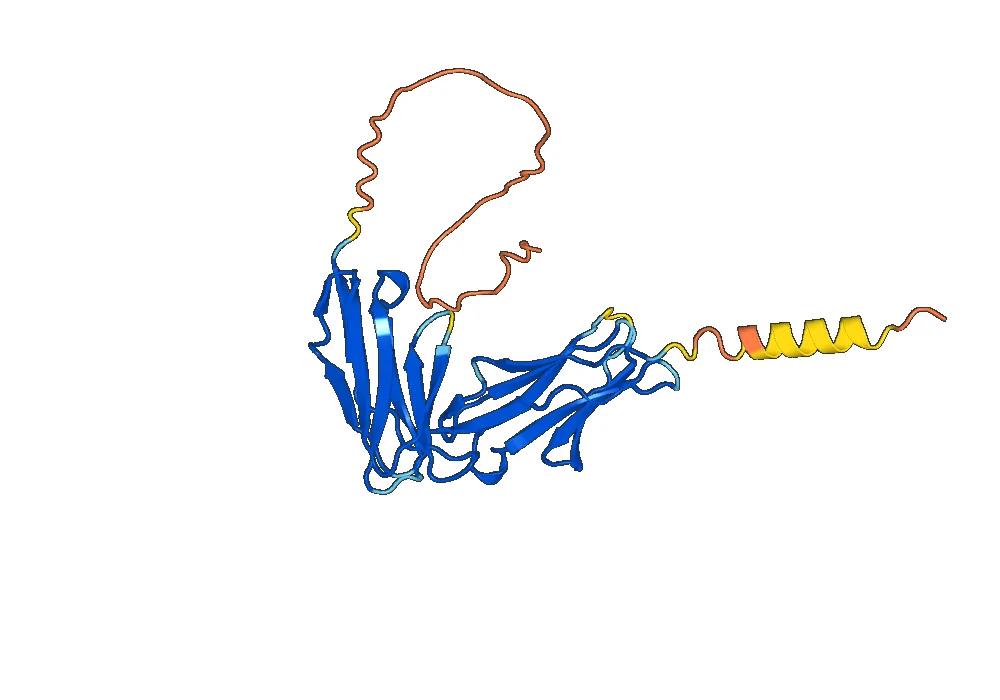
The GPRC5D protein is composed of 368 amino acids and has a predicted molecular weight of approximately 41 kDa. It contains seven transmembrane domains, an extracellular N-terminus, and an intracellular C-terminus. The structure of GPRC5D is similar to other GPCRs, with a ligand-binding pocket located within the transmembrane domains.
Activity of GPRC5D
The activity of GPRC5D is not fully understood, as its ligand has not yet been identified. However, studies have shown that GPRC5D may play a role in cell proliferation and survival. In multiple myeloma cells, GPRC5D has been shown to activate signaling pathways that promote cell growth and survival. It has also been suggested that GPRC5D may play a role in immune cell function and regulation.
To study the activity of GPRC5D, flow cytometry is often used. This technique allows for the detection and quantification of specific cell surface markers, such as GPRC5D. The Human GPRC5D CHO Stable Cell Line is a valuable tool for flow cytometry studies, as it provides a consistent and reliable source of GPRC5D-expressing cells.
Potential Therapeutic Target
The high expression of GPRC5D in multiple myeloma cells has made it a potential therapeutic target for this type of cancer. Targeting GPRC5D with specific antibodies or small molecule inhibitors could potentially inhibit the growth and survival of multiple myeloma cells.
The Human GPRC5D CHO Stable Cell Line can be used to screen potential therapeutic agents for their ability to bind to and modulate the activity of GPRC5D. This cell line can also be used to study the downstream effects of GPRC5D activation and inhibition, providing valuable insights into the role of this receptor in multiple myeloma.
Conclusion
In summary, the Human GPRC5D CHO Stable Cell Line is a valuable tool for studying the structure, activity, and potential therapeutic applications of the GPRC5D receptor. Its consistent expression of GPRC5D and its ease of use in flow cytometry make it an ideal choice for researchers interested in studying this receptor. With its potential role as a therapeutic target in multiple myeloma, the Human GPRC5D CHO Stable Cell Line holds promise for future advancements in cancer treatment.

There are no reviews yet.