Introduction to Human AMHR2/MISRII HEK293T Stable Cell Line
Human AMHR2/MISRII HEK293T Stable Cell Line is a valuable tool for studying the structure, activity, and potential therapeutic applications of the anti-Müllerian hormone receptor type 2 (AMHR2). This stable cell line is derived from HEK293T cells, a commonly used cell line in research due to its high transfection efficiency and ability to support the expression of various proteins. The stable expression of AMHR2 in these cells allows for the investigation of its function and potential as a therapeutic target.
Structure of Human AMHR2/MISRII
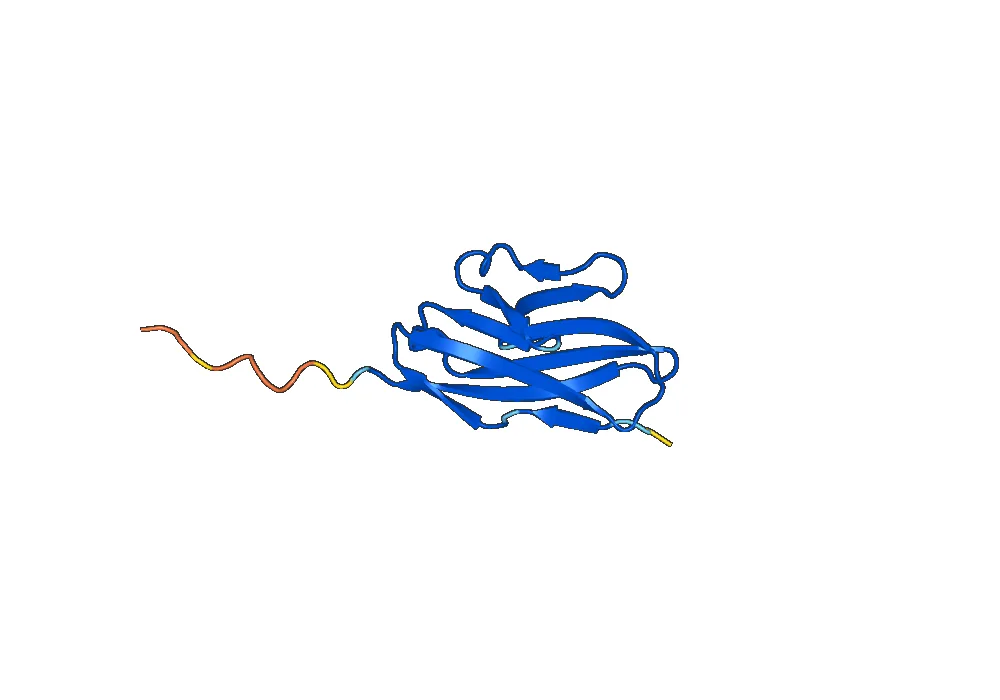
The AMHR2 gene is located on chromosome 12 and encodes for a transmembrane receptor protein that belongs to the transforming growth factor-beta (TGF-β) family. The protein consists of 575 amino acids and contains a signal peptide, a ligand-binding domain, a transmembrane domain, and an intracellular domain. The ligand-binding domain is responsible for binding to its ligand, anti-Müllerian hormone (AMH), while the intracellular domain contains the necessary signaling motifs for downstream signaling events.
The stable cell line expresses the full-length AMHR2 protein, ensuring the preservation of its native structure and function. This allows for the accurate study of the receptor’s interactions with its ligand and downstream signaling pathways.
Activity of Human AMHR2/MISRII
AMHR2 is primarily expressed in the reproductive tissues, including the testes, ovaries, and placenta. It is involved in the regulation of sexual differentiation and reproductive function. Upon binding to its ligand, AMHR2 initiates a signaling cascade that leads to the inhibition of the Müllerian ducts, which are responsible for the development of female reproductive organs. This activity is crucial for male sexual differentiation and is also involved in the regulation of ovarian follicle development in females.
In addition to its role in reproductive function, AMHR2 has also been implicated in various cancers, including ovarian, breast, and prostate cancer. Studies have shown that AMHR2 is overexpressed in these cancers and plays a role in promoting tumor growth and metastasis. Therefore, the stable cell line can be used to study the potential therapeutic applications of targeting AMHR2 in these cancers.
Application of Human AMHR2/MISRII HEK293T Stable Cell Line
The Human AMHR2/MISRII HEK293T Stable Cell Line has a wide range of applications in research. One of the primary uses is in the study of AMHR2 signaling and its role in reproductive function. The stable cell line can be used to investigate the mechanisms of AMHR2-mediated signaling and its downstream effects on cell proliferation, differentiation, and apoptosis.
Furthermore, the stable cell line can be used to screen for potential AMHR2 inhibitors or activators, which could have therapeutic implications in reproductive disorders or cancer treatment. This cell line can also be used to study the interactions between AMHR2 and other signaling pathways, such as the TGF-β and Wnt pathways, which are known to be involved in various cellular processes.
Flow Cytometry Analysis of Human AMHR2/MISRII HEK293T Stable Cell Line
The stable expression of AMHR2 in the HEK293T cells allows for the use of flow cytometry to analyze the expression levels of the receptor. The cells can be stained with specific antibodies against AMHR2 and analyzed using flow cytometry, providing quantitative data on the expression levels of the receptor. This technique can also be used to assess the binding of AMH to its receptor and the downstream effects on intracellular signaling.
In conclusion, the Human AMHR2/MISRII HEK293T Stable Cell Line is a valuable tool for studying the structure, activity, and potential therapeutic applications of AMHR2.


There are no reviews yet.