Introduction
GAA/Aglucosidase Alfa Biosimilar is a recombinant enzyme that has been developed as a biosimilar to the human enzyme acid alpha-glucosidase (GAA). This enzyme plays a crucial role in the breakdown of glycogen, a complex sugar molecule, into glucose in lysosomes, which are cellular organelles responsible for waste disposal. Deficiency of GAA results in the accumulation of glycogen in lysosomes, leading to a group of disorders known as glycogen storage diseases (GSDs). GAA/Aglucosidase Alfa Biosimilar has been designed to mimic the structure and function of the human enzyme, making it a promising therapeutic option for the treatment of GSDs.
Structure of GAA/Aglucosidase Alfa Biosimilar
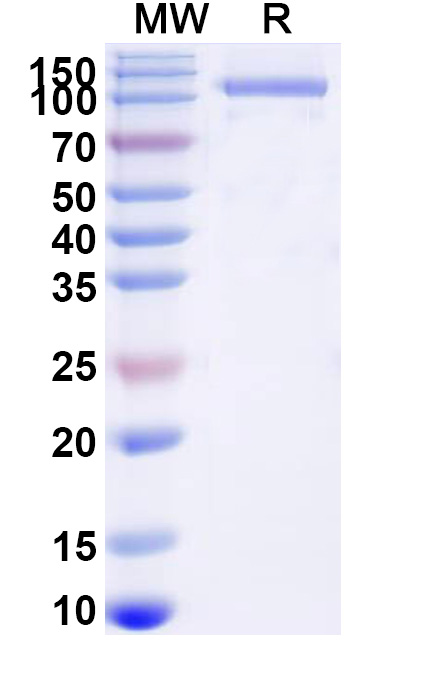
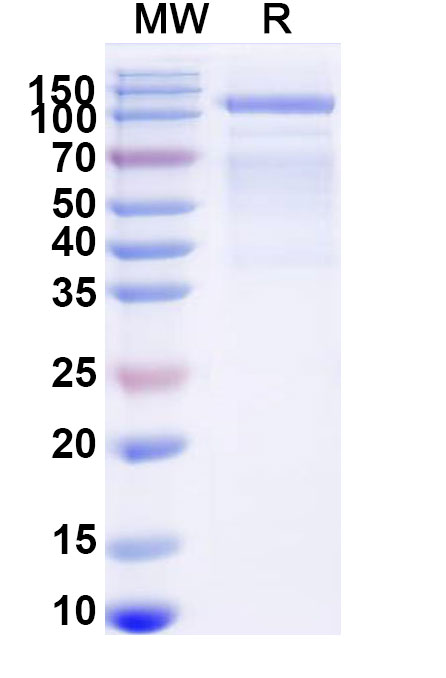
GAA/Aglucosidase Alfa Biosimilar is a glycoprotein with a molecular weight of approximately 110 kDa. It is composed of 952 amino acids and has a similar primary structure to the human enzyme. The recombinant enzyme is produced in a CHO cell expression system, ensuring high quality and consistency in its structure. GAA/Aglucosidase Alfa Biosimilar has a three-dimensional structure consisting of multiple domains, including a catalytic domain, a lysosomal targeting domain, and a mannose-6-phosphate receptor binding domain. These domains are essential for the enzyme’s function in targeting and breaking down glycogen in lysosomes.
Activity of GAA/Aglucosidase Alfa Biosimilar
GAA/Aglucosidase Alfa Biosimilar acts as a replacement therapy for individuals with GSDs caused by a deficiency in GAA. The enzyme is administered intravenously and reaches lysosomes through the mannose-6-phosphate receptor. Once inside the lysosome, GAA/Aglucosidase Alfa Biosimilar catalyzes the hydrolysis of glycogen into glucose, which can then be used as an energy source by the body. This activity helps to reduce the buildup of glycogen in lysosomes and prevent the progression of GSDs.
Application of GAA/Aglucosidase Alfa Biosimilar
GAA/Aglucosidase Alfa Biosimilar is currently in the research grade stage and is being evaluated for its safety and efficacy in clinical trials. It has the potential to be used as a treatment for GSDs, particularly Pompe disease, a severe form of GSD caused by a deficiency in GAA. Pompe disease affects multiple organs, including the heart, muscles, and nervous system, and can be fatal if left untreated. GAA/Aglucosidase Alfa Biosimilar has shown promising results in preclinical studies and is expected to provide significant benefits to patients with Pompe disease.
Anti-GAA Antibody
In addition to its enzyme activity, GAA/Aglucosidase Alfa Biosimilar also has the potential to act as an antibody against GAA. This means that it can bind to GAA and prevent its degradation, leading to an increase in the enzyme’s activity. This unique feature of GAA/Aglucosidase Alfa Biosimilar makes it a potential therapeutic option for individuals with GSDs caused by a decrease in GAA activity.
Therapeutic Target for GSDs
GAA/Aglucosidase Alfa Biosimilar is a promising therapeutic target for GSDs, particularly Pompe disease. It offers a targeted and specific approach to treating GSDs by directly addressing the underlying cause of the disease – deficiency in GAA. By providing a functional replacement for the deficient enzyme, GAA/Aglucosidase Alfa Biosimilar has the potential to improve the quality of life for individuals with GSDs and reduce the burden of the disease on patients and their families.
Conclusion
In summary, GAA/Aglucosidase Alfa Biosimilar is a recombinant enzyme that mimics the structure and function of the human enzyme GAA. It has a similar three-dimensional structure and activity, making it a promising therapeutic option for the treatment of GSDs. GAA/Agluc

There are no reviews yet.