Introduction
Erlizumab Biosimilar, also known as Anti-ITGB2 or CD18 monoclonal antibody (mAb), is a research grade antibody that has shown promising results in targeting and treating various diseases. In this article, we will provide a scientific description of the structure, activity, and potential applications of Erlizumab Biosimilar.
Structure of Erlizumab Biosimilar
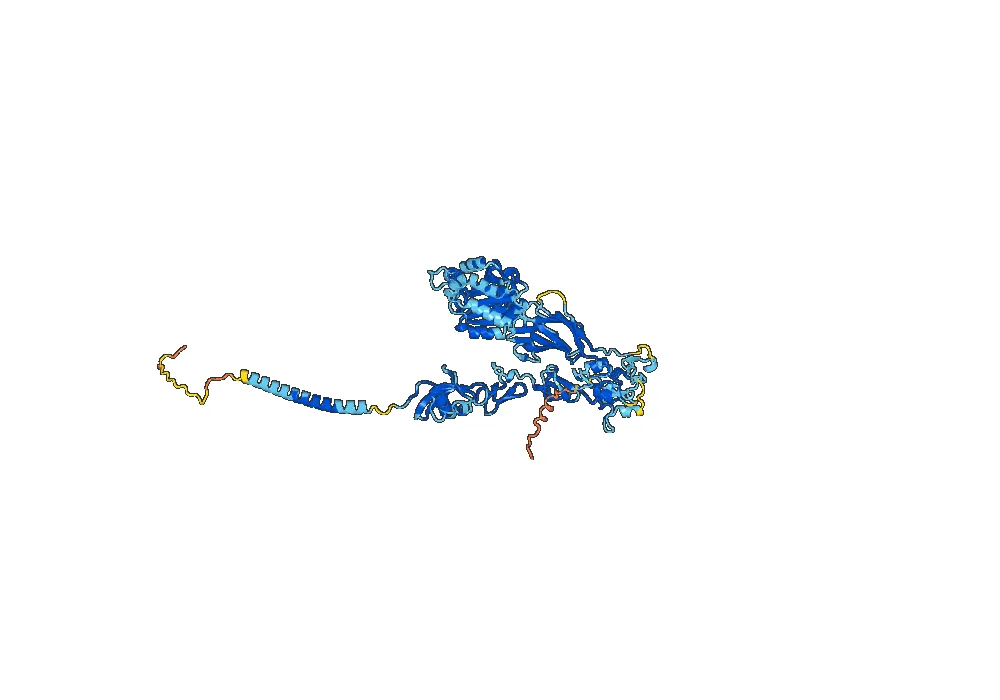
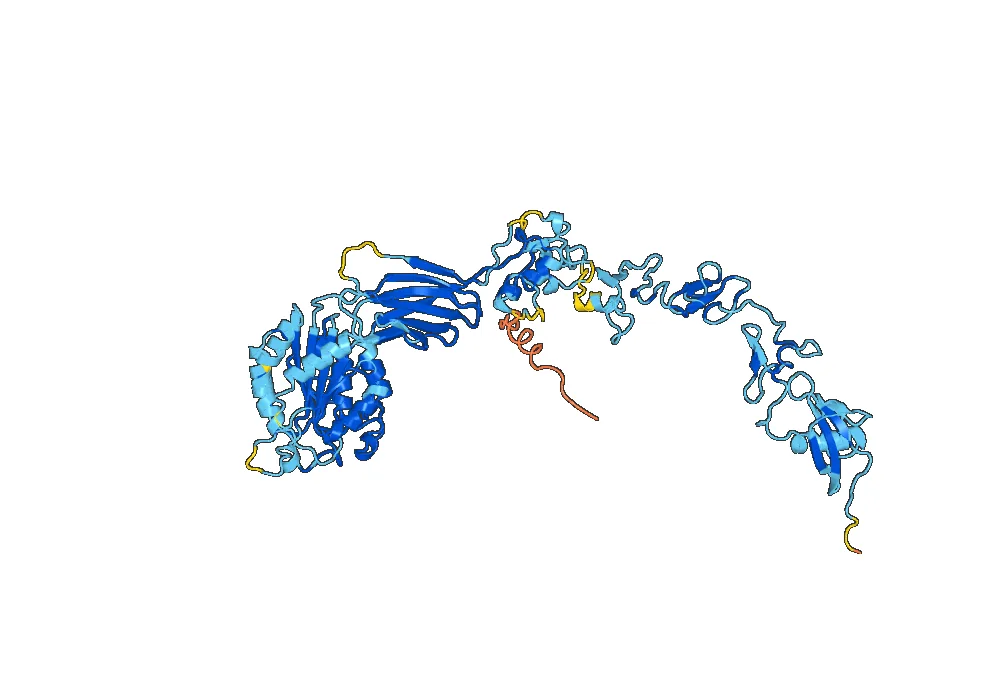
Erlizumab Biosimilar is a recombinant humanized IgG1 monoclonal antibody that specifically targets the integrin beta-2 (ITGB2) subunit of the leukocyte function-associated antigen-1 (LFA-1) complex. This complex is expressed on the surface of leukocytes and plays a crucial role in cell adhesion and migration.
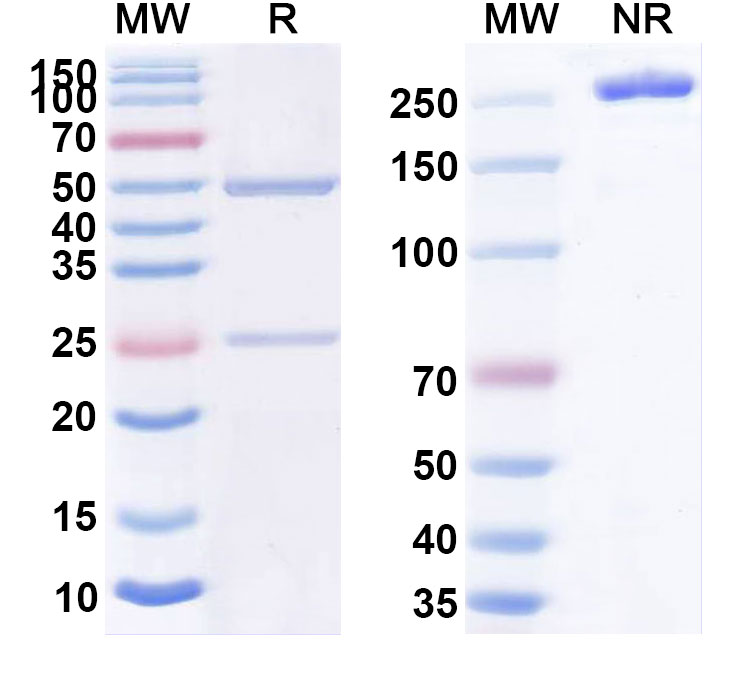
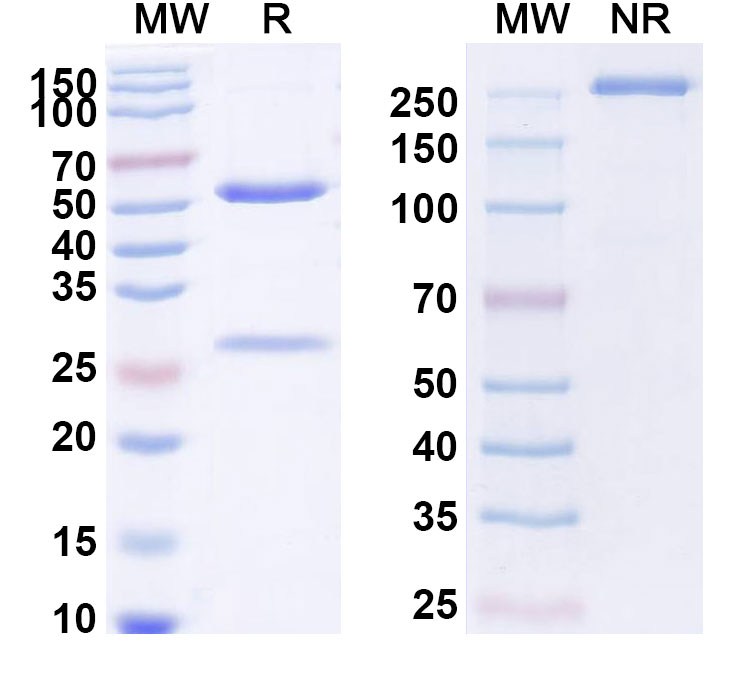
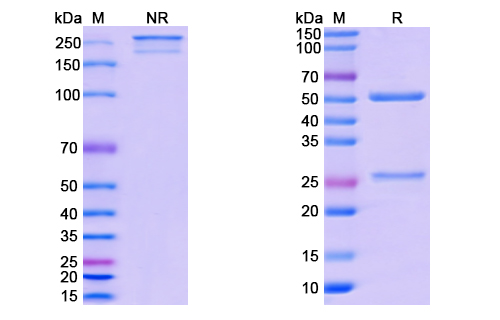
The antibody is composed of two heavy chains and two light chains, each containing a variable region that recognizes and binds to the ITGB2 subunit. The variable regions are connected to constant regions, which determine the antibody’s effector functions, such as complement activation and antibody-dependent cell-mediated cytotoxicity (ADCC).
Activity of Erlizumab Biosimilar
Erlizumab Biosimilar has been shown to have potent inhibitory activity against the LFA-1 complex, which is involved in various inflammatory and autoimmune diseases. By binding to the ITGB2 subunit, the antibody blocks the interaction between LFA-1 and its ligands, such as intercellular adhesion molecule-1 (ICAM-1) and lymphocyte function-associated antigen-3 (LFA-3). This prevents leukocytes from adhering to and migrating across the endothelial cell layer, thus reducing inflammation and tissue damage.
In addition to its inhibitory activity, Erlizumab Biosimilar has been found to modulate the immune response by promoting the differentiation of regulatory T cells (Tregs) and suppressing the production of pro-inflammatory cytokines. This dual mechanism of action makes it a promising therapeutic agent for various diseases.
Applications of Erlizumab Biosimilar
Erlizumab Biosimilar has shown potential in the treatment of several diseases, including rheumatoid arthritis, psoriasis, inflammatory bowel disease, and multiple sclerosis. In a phase II clinical trial, the antibody demonstrated significant improvement in patients with moderate to severe rheumatoid arthritis, leading to its designation as a breakthrough therapy by the FDA.
Moreover, preclinical studies have also shown the efficacy of Erlizumab Biosimilar in preventing and treating transplant rejection. By inhibiting the migration of leukocytes, the antibody can prevent the infiltration of immune cells into the transplanted tissue, reducing the risk of rejection.
In addition to its therapeutic applications, Erlizumab Biosimilar has also been used in research to study the role of LFA-1 in various diseases. The antibody has been utilized in in vitro and in vivo experiments to investigate the mechanisms of LFA-1-mediated inflammation and to develop new treatment strategies.
Conclusion
Erlizumab Biosimilar, also known as Anti-ITGB2 or CD18 monoclonal antibody, is a research grade antibody that has shown promising results in targeting and treating various diseases. Its unique structure and dual mechanism of action make it a promising therapeutic agent for conditions involving inflammation and immune dysregulation. With ongoing research and clinical trials, Erlizumab Biosimilar has the potential to improve the lives of patients suffering from a wide range of diseases.

There are no reviews yet.