The Structure of Ebronucimab Biosimilar – Anti-PCSK9 mAb
Ebronucimab Biosimilar, also known as Anti-PCSK9 mAb, is a monoclonal antibody that has been developed as a biosimilar to the original PCSK9 inhibitor, Ebronucimab. It is a recombinant humanized antibody that specifically targets proprotein convertase subtilisin/kexin type 9 (PCSK9), a protein that plays a crucial role in regulating cholesterol levels in the body.
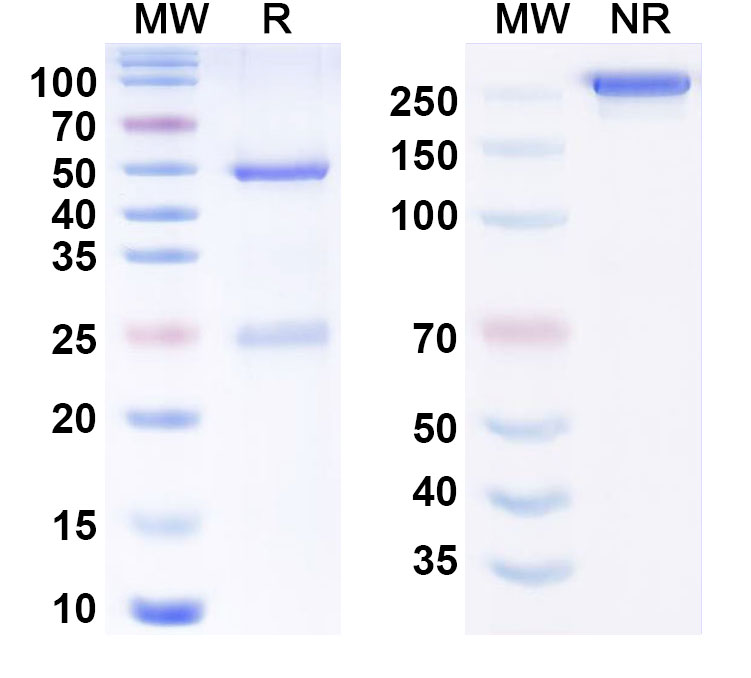
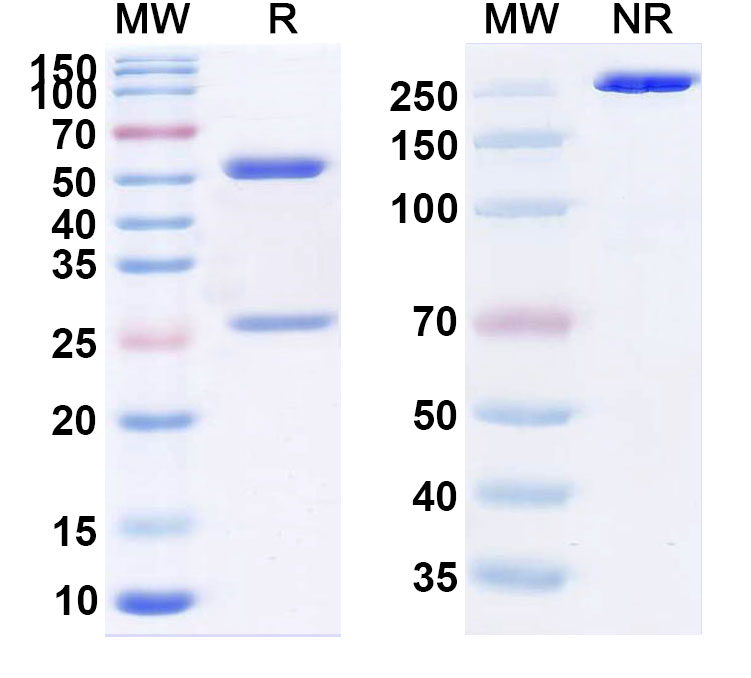
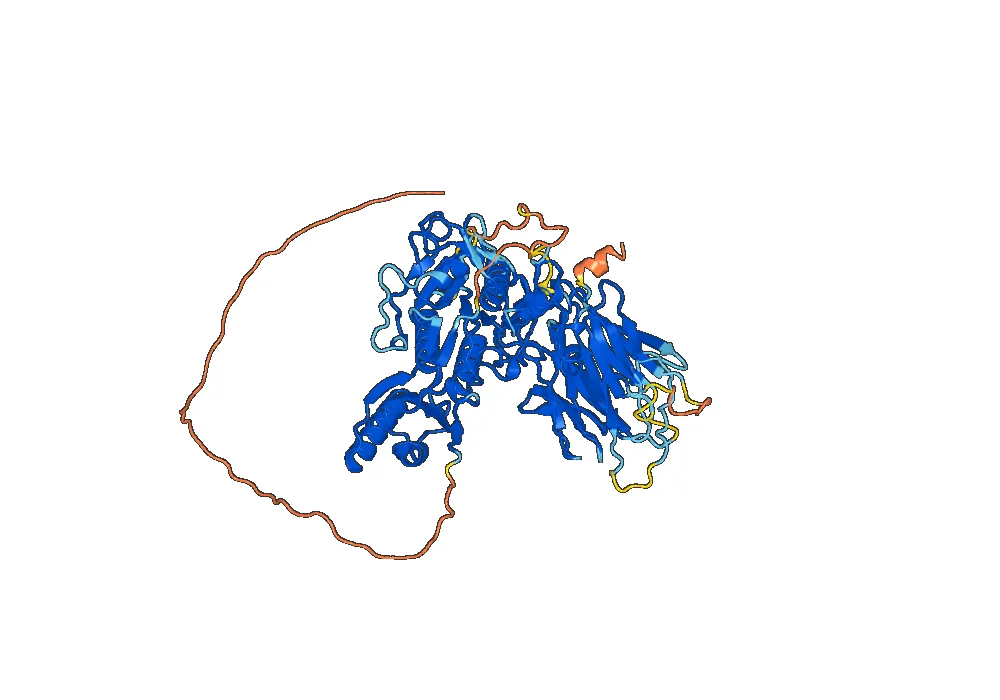
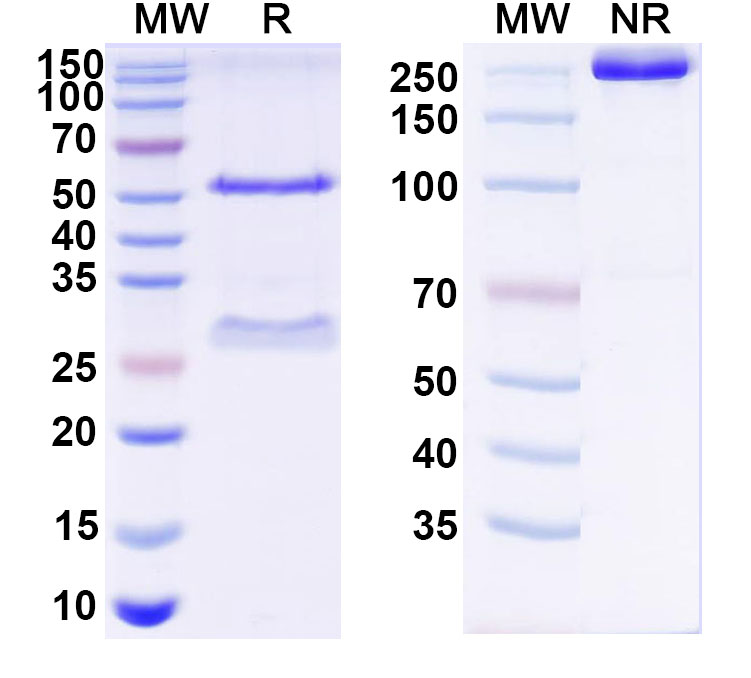
The structure of Ebronucimab Biosimilar is similar to that of the original Ebronucimab, with a few minor differences. It is a Y-shaped molecule that consists of two heavy chains and two light chains, held together by disulfide bonds. The heavy chains are about 50 kDa in size and contain four constant regions (Fc) and one variable region (Fab). The light chains are about 25 kDa and also contain one variable region (Fab). The variable regions of both the heavy and light chains are responsible for binding to PCSK9.
One of the key differences between Ebronucimab Biosimilar and the original Ebronucimab is the humanization of the antibody. This means that the variable regions of the antibody have been engineered to be more similar to human antibodies, reducing the risk of immune reactions and increasing the efficacy of the drug.
Another important aspect of the structure of Ebronucimab Biosimilar is its glycosylation pattern. Glycosylation is the process of attaching sugar molecules to proteins, and it plays a crucial role in the stability, function, and immunogenicity of antibodies. The glycosylation pattern of Ebronucimab Biosimilar has been carefully designed to mimic that of the original Ebronucimab, ensuring that it has similar properties and activity.
The Activity of Ebronucimab Biosimilar – Anti-PCSK9 mAb
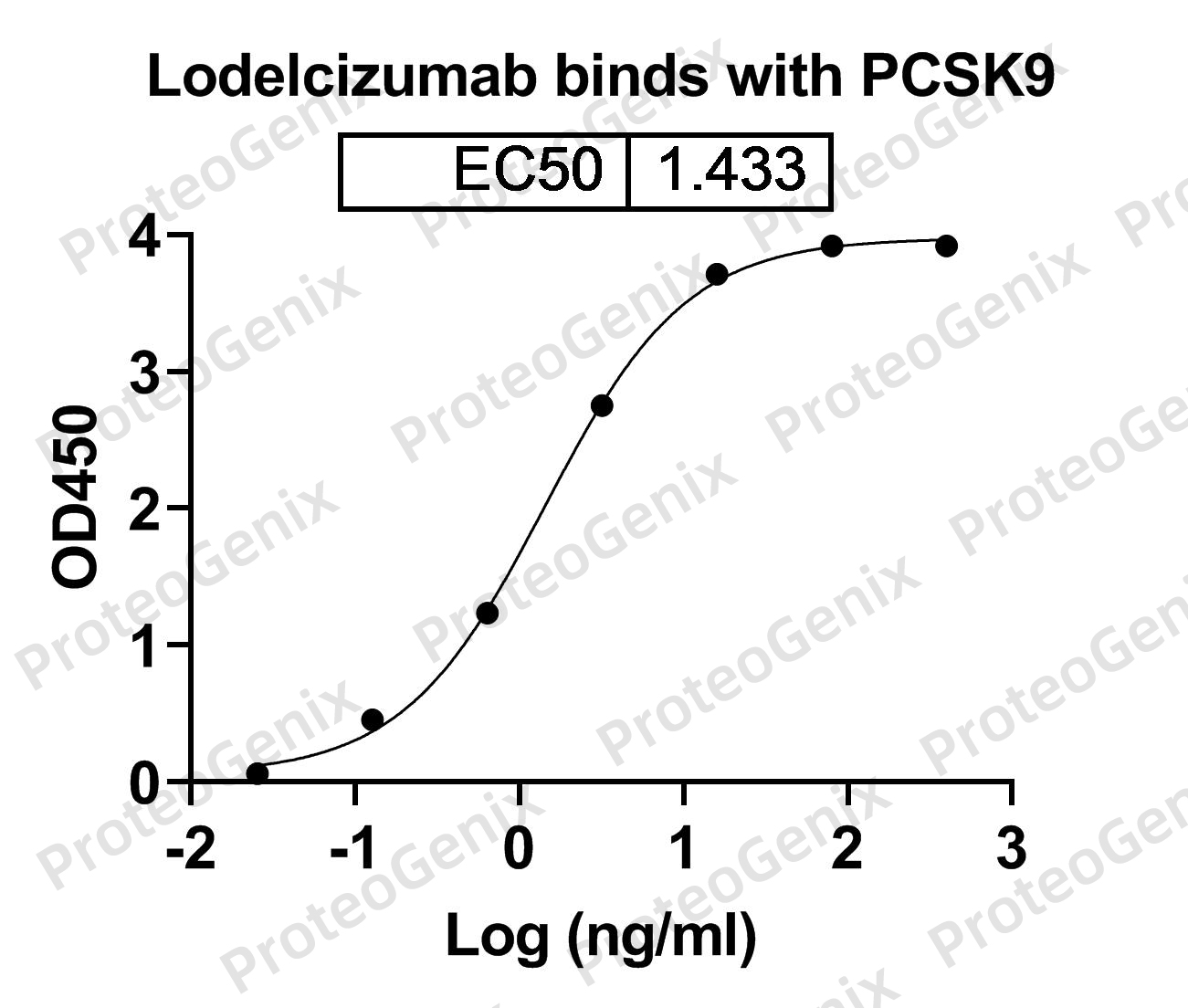
Ebronucimab Biosimilar is a highly specific and potent inhibitor of PCSK9. It works by binding to PCSK9 and preventing it from binding to the low-density lipoprotein (LDL) receptor on the surface of liver cells. This results in an increase in the number of LDL receptors available to remove LDL cholesterol from the blood, leading to a decrease in LDL cholesterol levels.
Studies have shown that Ebronucimab Biosimilar can reduce LDL cholesterol levels by up to 60%, making it a highly effective treatment for patients with hypercholesterolemia. It has also been shown to be well-tolerated and safe, with no significant adverse effects reported in clinical trials.
In addition to its cholesterol-lowering activity, Ebronucimab Biosimilar has also been found to have anti-inflammatory effects. PCSK9 has been linked to inflammation and atherosclerosis, and by inhibiting PCSK9, Ebronucimab Biosimilar may also help to reduce inflammation and improve cardiovascular health.
The Application of Ebronucimab Biosimilar – Anti-PCSK9 mAb
Ebronucimab Biosimilar is currently being developed as a therapeutic option for patients with hypercholesterolemia, specifically those who have not responded well to other cholesterol-lowering treatments or who are unable to tolerate them. It is also being investigated for its potential in reducing the risk of cardiovascular events, such as heart attacks and strokes, in high-risk patients.
In addition to its use in the treatment of hypercholesterolemia, Ebronucimab Biosimilar may also have potential in other therapeutic areas. PCSK9 has been linked to other conditions such as Alzheimer’s disease, diabetes, and certain cancers, and Ebronucimab Biosimilar may have a role to play in their treatment as well.
Furthermore, Ebronucimab Biosimilar is also being developed as a research grade antibody for use in laboratory studies and pre


There are no reviews yet.