Introduction
Eblasakimab Biosimilar, also known as Anti-IL13R mAb, is a research grade antibody that has shown promising results in the treatment of various diseases. In this article, we will explore the structure, activity, and potential applications of this novel antibody.
Structure of Eblasakimab Biosimilar
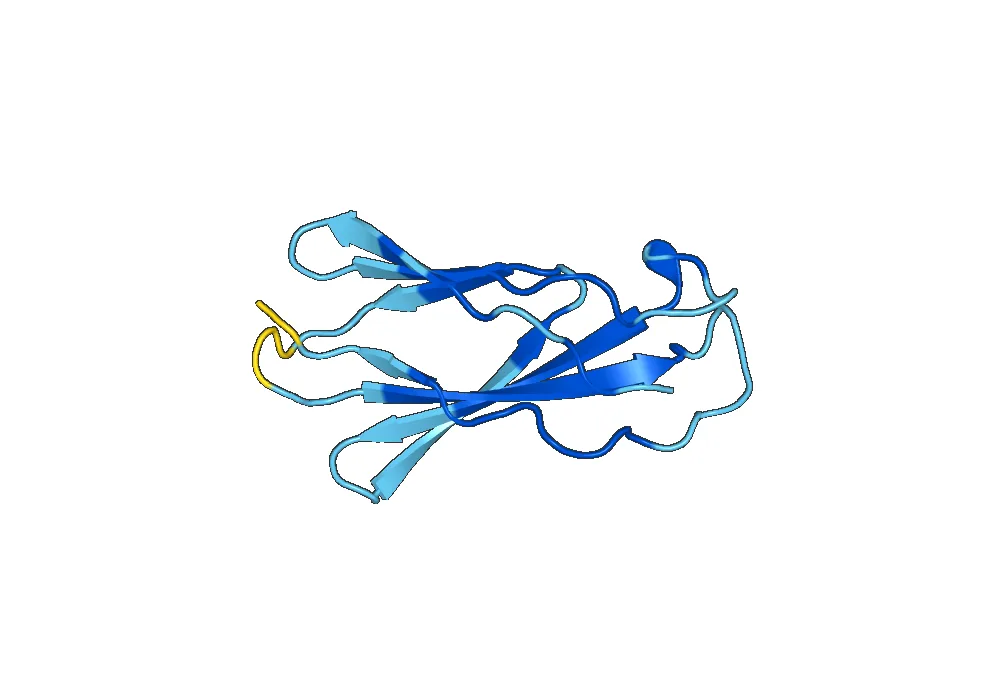
Eblasakimab Biosimilar is a monoclonal antibody that specifically targets the interleukin-13 receptor (IL-13R). It is a humanized IgG1 antibody, meaning that it is composed of both human and mouse components. This structure allows for reduced immunogenicity and increased efficacy in human patients.
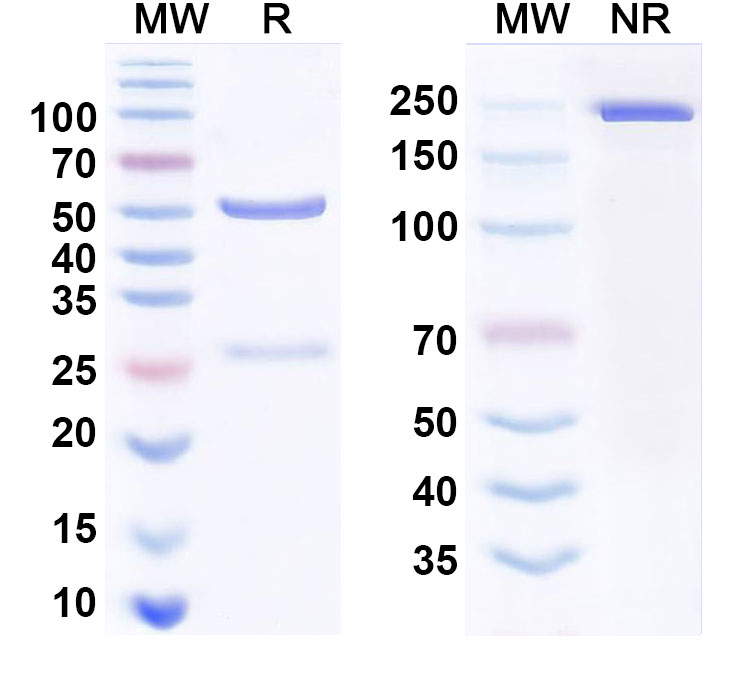
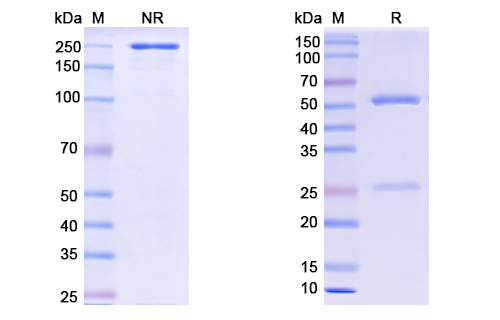
The antibody has a molecular weight of approximately 150 kDa and is composed of two heavy chains and two light chains. The heavy chains are made up of four constant domains (CH1, CH2, CH3, and CH4) and one variable domain (VH). The light chains consist of two constant domains (CL) and one variable domain (VL).
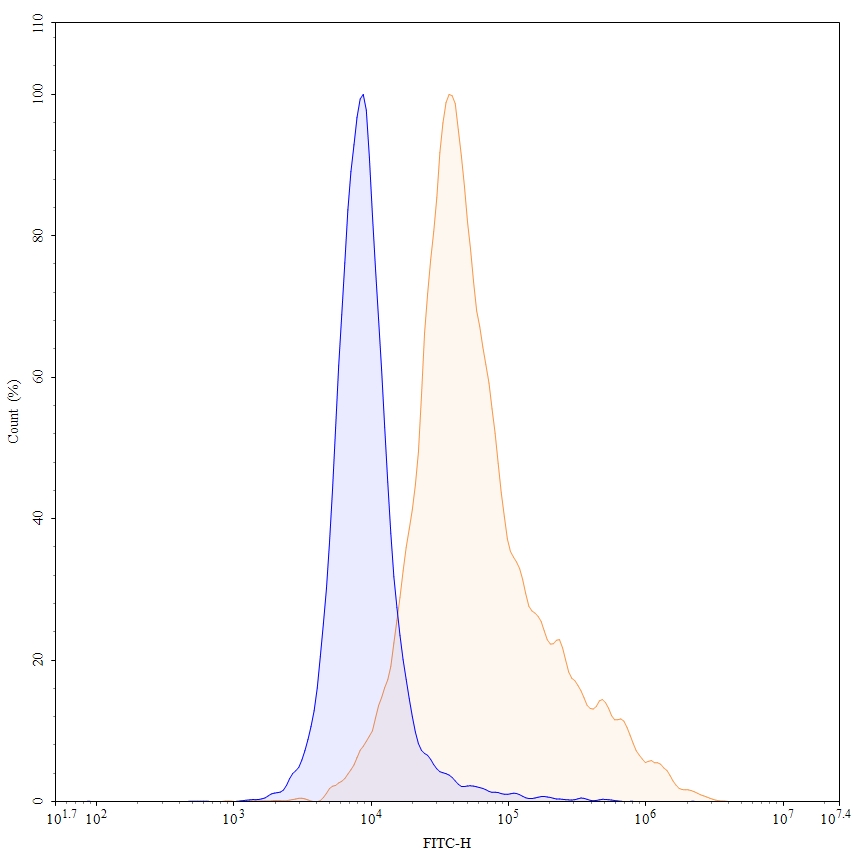
The variable domains of Eblasakimab Biosimilar are responsible for binding to the IL-13R, specifically targeting the IL-13Rα1 subunit. This binding prevents the activation of downstream signaling pathways, ultimately leading to the inhibition of IL-13-mediated inflammation.
Activity of Eblasakimab Biosimilar
Eblasakimab Biosimilar has been shown to have potent activity against IL-13, a cytokine that plays a critical role in the pathogenesis of various diseases. IL-13 is known to be involved in allergic diseases, such as asthma and atopic dermatitis, as well as fibrotic diseases, such as idiopathic pulmonary fibrosis and systemic sclerosis.
By targeting the IL-13R, Eblasakimab Biosimilar blocks the binding of IL-13 and prevents its downstream signaling, leading to a reduction in inflammation and tissue damage. This activity has been demonstrated in preclinical studies, where Eblasakimab Biosimilar showed significant efficacy in reducing airway inflammation and fibrosis in animal models of asthma and pulmonary fibrosis.
In addition to its anti-inflammatory and anti-fibrotic effects, Eblasakimab Biosimilar has also shown potential in inhibiting tumor growth. IL-13 has been shown to promote tumor growth and metastasis, and by blocking its activity, Eblasakimab Biosimilar may have a therapeutic effect in certain types of cancer.
Applications of Eblasakimab Biosimilar
Eblasakimab Biosimilar has the potential to be used in the treatment of various diseases, including asthma, atopic dermatitis, pulmonary fibrosis, and certain types of cancer. It is currently in the early stages of clinical development, with ongoing trials evaluating its safety and efficacy in patients with these diseases.
In addition to its potential as a therapeutic agent, Eblasakimab Biosimilar can also be used as a research tool in the study of IL-13 and its role in disease pathogenesis. Its high specificity and potency make it a valuable tool for understanding the mechanisms of IL-13-mediated inflammation and fibrosis.
Conclusion
Eblasakimab Biosimilar, also known as Anti-IL13R mAb, is a novel monoclonal antibody that has shown promising results in the treatment of various diseases. Its structure, activity, and potential applications make it a promising candidate for the development of new therapies for diseases involving IL-13-mediated inflammation and fibrosis. Ongoing clinical trials will provide further insight into its safety and efficacy, and potentially pave the way for its approval as a therapeutic agent.

There are no reviews yet.