Introduction
Bifikafusp Biosimilar, also known as Anti-FN extra domain B monoclonal antibody (mAb) – Research Grade, is a novel therapeutic agent that has shown promising results in the treatment of various diseases. This article will provide a detailed description of the structure, activity, and applications of Bifikafusp Biosimilar, highlighting its potential as an antibody-based therapy.
Structure of Bifikafusp Biosimilar
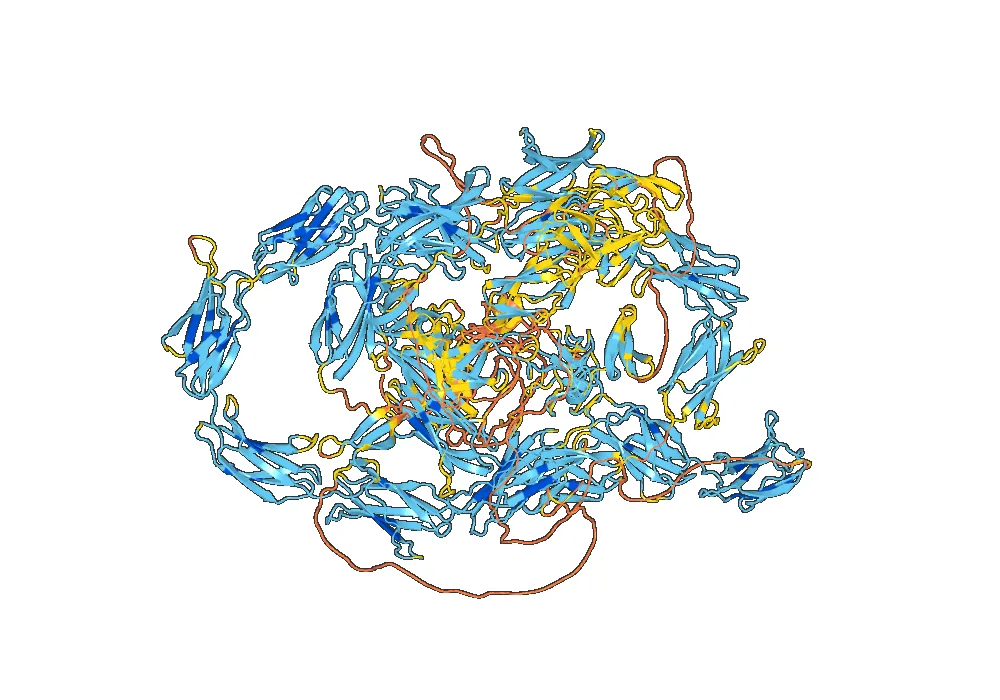
Bifikafusp Biosimilar is a monoclonal antibody that specifically targets the extra domain B (EDB) of fibronectin (FN). It is a recombinant protein that is produced using advanced genetic engineering techniques. The antibody is composed of two identical heavy chains and two identical light chains, each containing a variable region and a constant region. The variable regions are responsible for binding to the EDB of FN, while the constant regions determine the antibody’s effector functions.
Activity of Bifikafusp Biosimilar
The primary mode of action of Bifikafusp Biosimilar is its ability to bind to and inhibit the activity of the EDB of FN. FN is a glycoprotein that plays a crucial role in cell adhesion, migration, and tissue repair. However, the presence of the EDB in FN is associated with pathological processes such as tumor growth, angiogenesis, and inflammation. Bifikafusp Biosimilar binds to the EDB with high specificity and affinity, blocking its interaction with other proteins and inhibiting its pro-tumorigenic and pro-inflammatory effects.
In addition to its direct binding to the EDB, Bifikafusp Biosimilar also has effector functions that contribute to its therapeutic activity. These include antibody-dependent cellular cytotoxicity (ADCC) and complement-dependent cytotoxicity (CDC). ADCC involves the destruction of target cells by immune cells, such as natural killer cells, that have been activated by the binding of Bifikafusp Biosimilar to the EDB on the target cell’s surface. CDC, on the other hand, involves the activation of the complement system, resulting in the formation of a membrane attack complex that lyses the target cell.
Applications of Bifikafusp Biosimilar
Bifikafusp Biosimilar has shown potential in the treatment of various diseases, primarily those associated with the overexpression of the EDB of FN. This includes solid tumors, such as breast, lung, and colon cancer, as well as inflammatory and autoimmune diseases, such as rheumatoid arthritis and psoriasis.
In preclinical studies, Bifikafusp Biosimilar has demonstrated significant anti-tumor activity, both as a monotherapy and in combination with other anti- cancer agents. It has been shown to inhibit tumor growth, reduce angiogenesis, and induce tumor cell death. In addition, Bifikafusp Biosimilar has also been shown to have a synergistic effect when combined with chemotherapy, leading to improved treatment outcomes.
In the field of inflammatory and autoimmune diseases, Bifikafusp Biosimilar has shown promising results in preclinical models of rheumatoid arthritis and psoriasis. It has been shown to reduce inflammation and tissue damage, as well as improve clinical symptoms. Furthermore, Bifikafusp Biosimilar has also been investigated as a potential therapy for fibrotic diseases, such as pulmonary fibrosis, due to its ability to inhibit fibroblast activation and collagen production.
Conclusion
In conclusion, Bifikafusp Biosimilar is a novel monoclonal antibody with a unique mechanism of action targeting the EDB of FN. Its structure, activity, and potential applications make it a promising therapeutic agent for the treatment of various diseases, particularly those associated with the overexpression of the EDB. Further clinical studies are needed to fully evaluate the efficacy and safety of Bifikafusp Biosimilar, but early results are promising, making it a potential game-changer in the field of antibody-based therapy.
There are no reviews yet.