Introduction
Atinumab Biosimilar, also known as Anti-RTN4, NOGO mAb, is a monoclonal antibody that has been developed as a biosimilar to the original drug Atinumab. This biosimilar is a research grade version of the antibody and is used for scientific research purposes. In this article, we will discuss the structure, activity, and applications of Atinumab Biosimilar in detail.
Structure of Atinumab Biosimilar
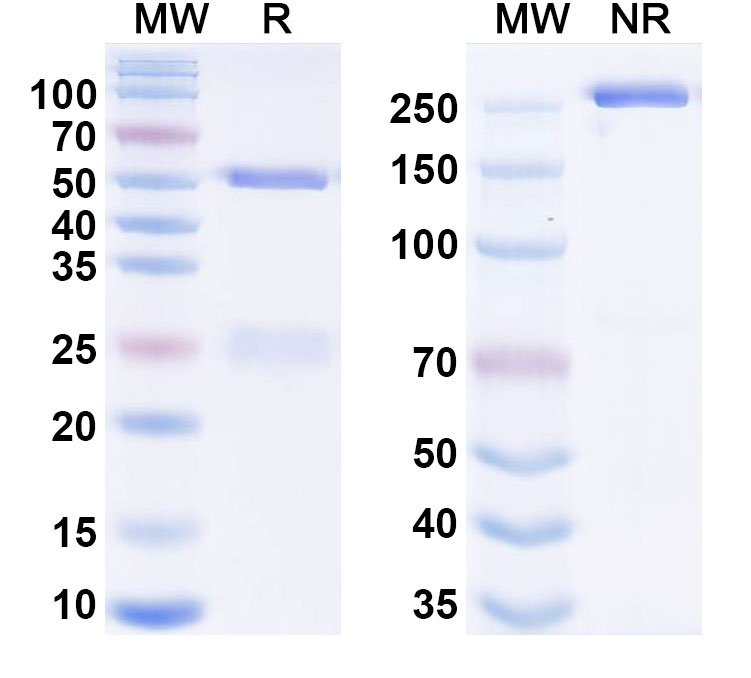
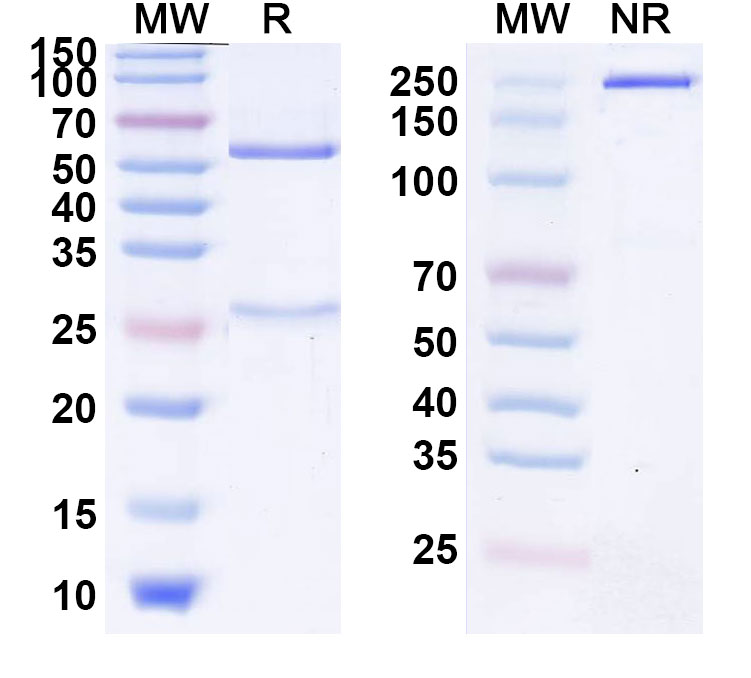
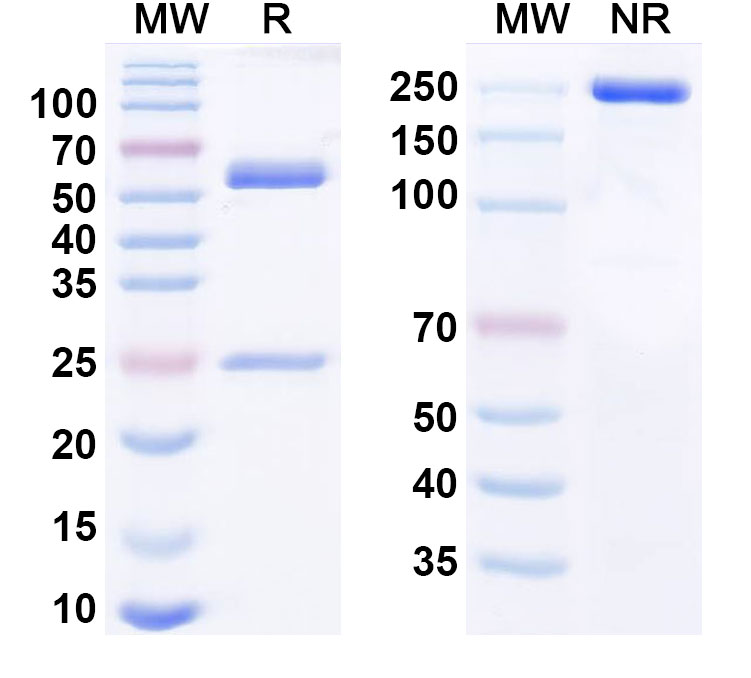
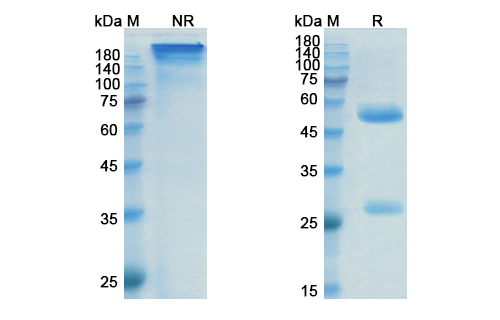
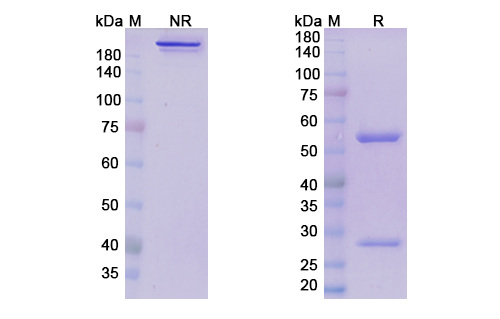
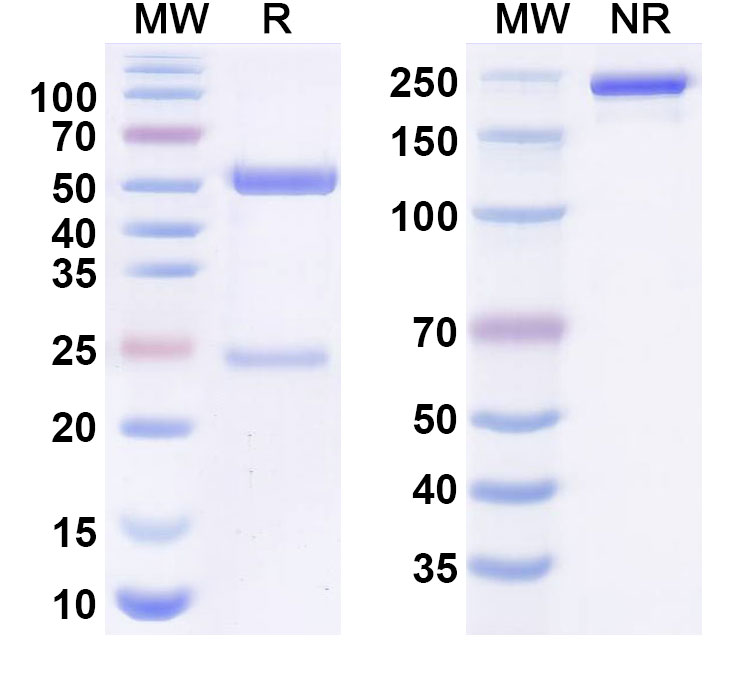
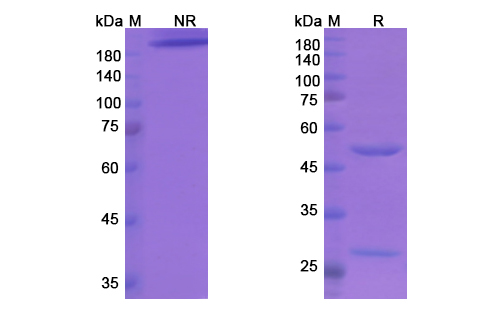
Atinumab Biosimilar is a monoclonal antibody that is produced by recombinant DNA technology. It is a humanized antibody, meaning it is derived from non-human sources but has been modified to have a structure similar to human antibodies. The antibody is composed of two heavy chains and two light chains, and each chain contains a unique amino acid sequence. The structure of Atinumab Biosimilar allows it to specifically bind to its target, which is the NOGO protein.
Activity of Atinumab Biosimilar
The main activity of Atinumab Biosimilar is its ability to bind to the NOGO protein. The NOGO protein is a membrane protein that is primarily found in the central nervous system. It plays a crucial role in inhibiting axonal growth and regeneration, which is important for nerve repair and recovery after injury. By binding to the NOGO protein, Atinumab Biosimilar blocks its activity and allows for axonal growth and regeneration to occur.
In addition to its activity against the NOGO protein, Atinumab Biosimilar also has anti-inflammatory properties. It has been shown to reduce the production of pro-inflammatory cytokines and promote the production of anti-inflammatory cytokines. This makes it a potential therapeutic option for inflammatory conditions, such as multiple sclerosis and rheumatoid arthritis.
Applications of Atinumab Biosimilar
Atinumab Biosimilar has a wide range of potential applications, particularly in the field of neuroscience and neurology. Its ability to promote axonal growth and regeneration makes it a promising treatment option for spinal cord injuries, stroke, and other neurological disorders. It may also have potential in treating neurodegenerative diseases, such as Alzheimer’s and Parkinson’s.
Furthermore, Atinumab Biosimilar’s anti-inflammatory properties make it a potential therapeutic option for various inflammatory conditions, as mentioned earlier. It may also have applications in the treatment of autoimmune diseases, such as multiple sclerosis and lupus.
Conclusion
In summary, Atinumab Biosimilar is a research grade monoclonal antibody that has been developed as a biosimilar to the original drug Atinumab. Its structure, activity, and potential applications make it a promising option for scientific research and potential therapeutic use in the future. Its ability to specifically bind to the NOGO protein and promote axonal growth and regeneration, as well as its anti-inflammatory properties, make it a versatile and valuable tool in the field of neuroscience and immunology.

There are no reviews yet.