Introduction to Anti-RGMA/RGM Antibody Biosimilar – A Promising Therapeutic Target
Anti-RGMA/RGM antibody biosimilar, also known as Anti-RGM domain family member A mAb, is a novel biologic drug that has shown great potential in the treatment of various diseases. This biosimilar is designed to target and neutralize the activity of the RGMA/RGM protein, which plays a crucial role in various cellular processes. In this article, we will delve into the structure, activity, and potential applications of this promising therapeutic target.
Structure of Anti-RGMA/RGM Antibody Biosimilar
Anti-RGMA/RGM antibody biosimilar is a monoclonal antibody that is produced by recombinant DNA technology. It is a humanized antibody, meaning that it is derived from a non-human source but has been genetically engineered to have a high degree of similarity to human antibodies. This ensures that the biosimilar is well-tolerated by the human body and has a reduced risk of inducing an immune response.
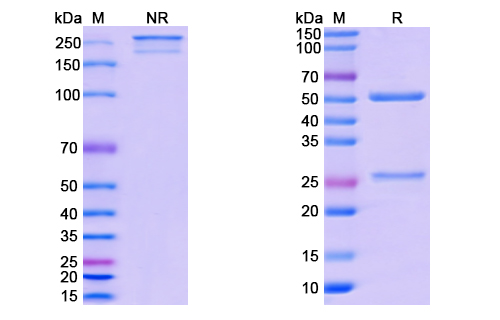
The antibody is composed of two heavy chains and two light chains, which are connected by disulfide bonds. The heavy chains consist of a constant region and a variable region, while the light chains only have a variable region. The variable regions are responsible for binding to the target protein, RGMA/RGM, with high specificity and affinity.
Activity of Anti-RGMA/RGM Antibody Biosimilar
The main activity of anti-RGMA/RGM antibody biosimilar is to bind to RGMA/RGM and inhibit its function. RGMA/RGM is a member of the repulsive guidance molecule (RGM) family, which plays a critical role in the development and maintenance of the nervous system. It is also involved in the regulation of bone formation and immune response.
When RGMA/RGM is overexpressed, it can lead to various pathological conditions such as neurodegenerative diseases, cancer, and autoimmune disorders. By targeting and neutralizing RGMA/RGM, the biosimilar can potentially prevent or treat these diseases.
Potential Applications of Anti-RGMA/RGM Antibody Biosimilar
The potential applications of anti-RGMA/RGM antibody biosimilar are vast and diverse. Its primary use is in the treatment of neurodegenerative diseases, such as Alzheimer’s and Parkinson’s disease. RGMA/RGM has been shown to play a role in the formation of amyloid plaques, a hallmark of Alzheimer’s disease, and by inhibiting its activity, the biosimilar may help slow down the progression of the disease.
In addition, anti-RGMA/RGM antibody biosimilar has shown promising results in the treatment of cancer. RGMA/RGM has been found to promote tumor growth and metastasis, and by blocking its function, the biosimilar may have a therapeutic effect in various types of cancer.
Furthermore, the biosimilar has potential applications in bone disorders, as RGMA/RGM has been implicated in the regulation of bone formation and resorption. By targeting RGMA/RGM, the biosimilar may have a beneficial effect in conditions such as osteoporosis and bone metastasis.
Conclusion
In summary, anti-RGMA/RGM antibody biosimilar is a promising therapeutic target with a diverse range of potential applications. Its unique structure and specific activity make it a highly targeted and effective treatment option for various diseases. As research on this biosimilar continues, it is expected to have a significant impact on the treatment of neurodegenerative diseases, cancer, and other conditions involving RGMA/RGM.

There are no reviews yet.