Introduction
Acasunlimab Biosimilar, also known as Anti-CD274,TNFRSF9 mAb, is a monoclonal antibody that has been developed as a biosimilar of the therapeutic antibody, Nivolumab. It is a novel immunotherapy drug that targets the immune checkpoint molecules CD274 and TNFRSF9, which are known to play a critical role in regulating the immune response. This scientific web content will provide a detailed description of the structure, activity, and application of Acasunlimab Biosimilar.
Structure of Acasunlimab Biosimilar
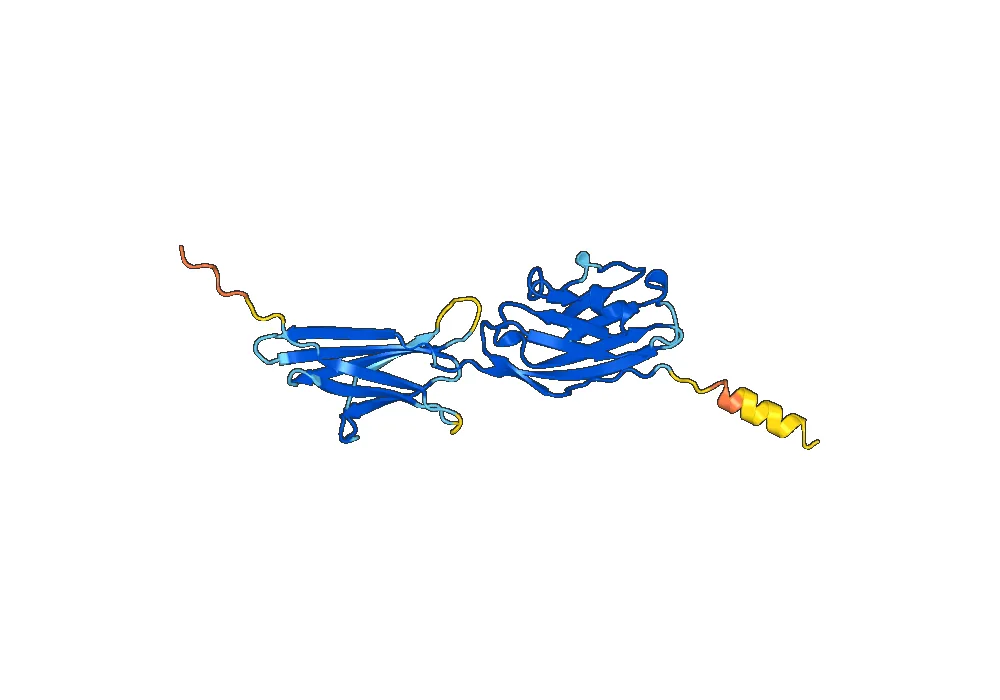
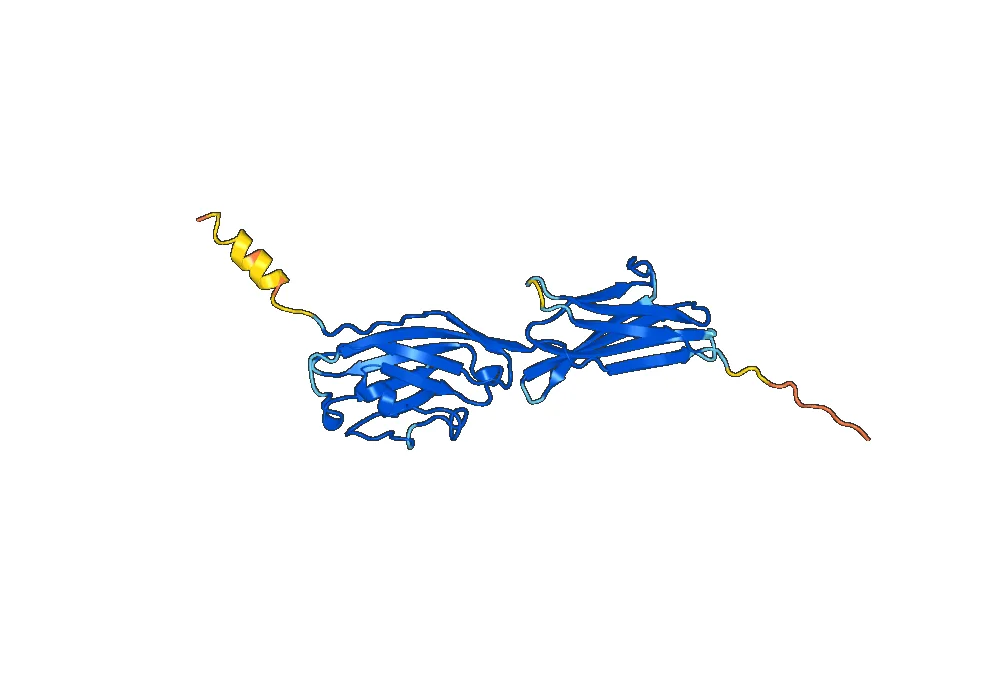
Acasunlimab Biosimilar is a fully humanized monoclonal antibody, meaning it is derived from human cells and has a high affinity for its target molecules. It is composed of two heavy chains and two light chains, each with a unique amino acid sequence. The heavy chains are connected to each other and to the light chains by disulfide bonds, forming a Y-shaped structure. The variable regions of the antibody, also known as the antigen-binding site, are located at the tips of the Y-shaped structure and are responsible for binding to the target molecules CD274 and TNFRSF9.
Activity of Acasunlimab Biosimilar
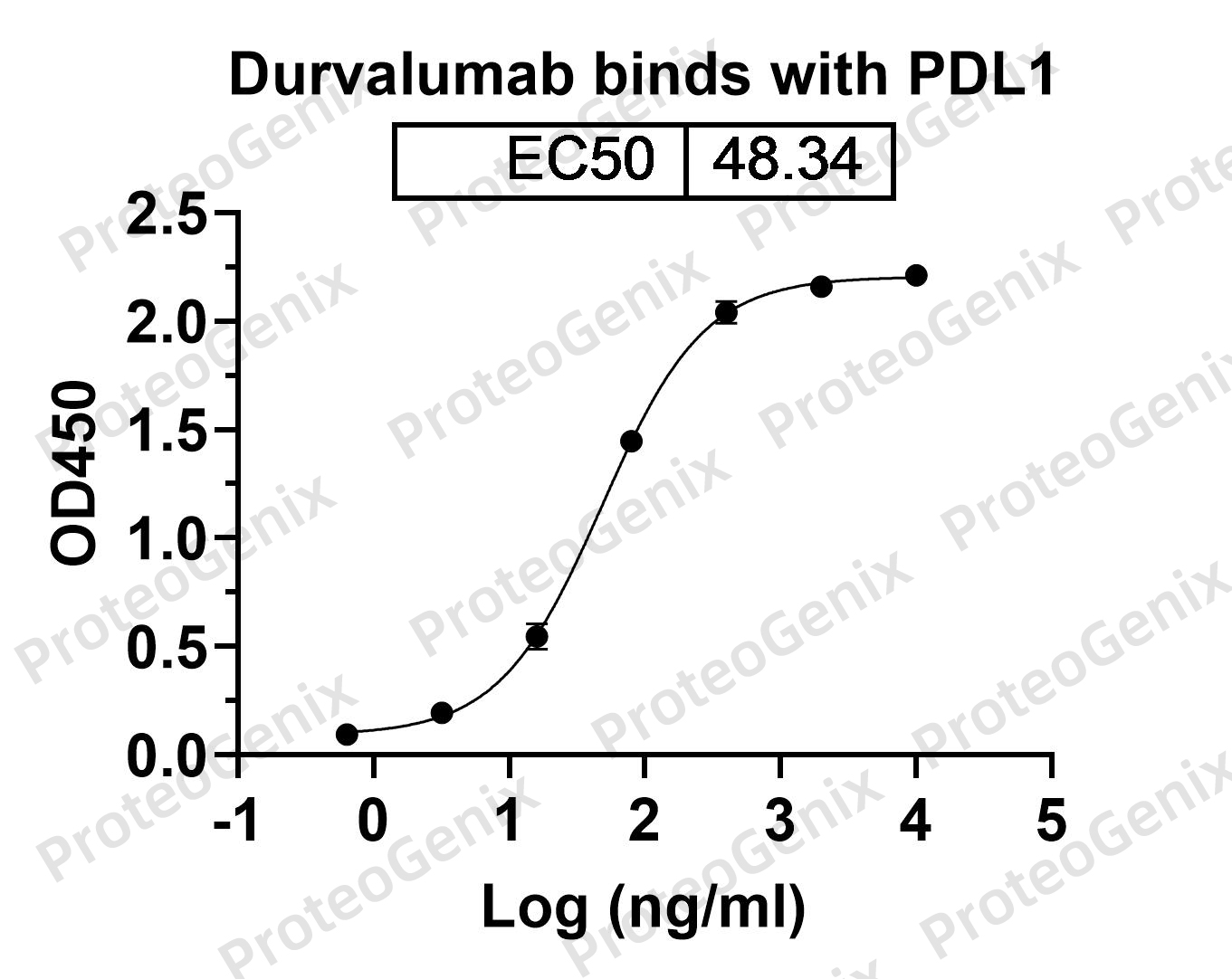
Acasunlimab Biosimilar works by blocking the interaction between CD274, also known as programmed death-ligand 1 (PD-L1), and its receptor TNFRSF9, also known as programmed death-1 (PD-1). This interaction is known to inhibit the activity of T-cells, which are important immune cells responsible for fighting against cancer and infections. By blocking this interaction, Acasunlimab Biosimilar activates the T-cells, allowing them to recognize and attack cancer cells or infected cells.
Mechanism of Action
Acasunlimab Biosimilar binds to both CD274 and TNFRSF9 with high affinity, preventing their interaction and disrupting the immune checkpoint signaling pathway. This leads to the activation of T-cells, which can then recognize and attack cancer cells or infected cells. Additionally, Acasunlimab Biosimilar also promotes the production of other immune cells, such as natural killer cells and dendritic cells, which further enhance the immune response.
Comparison with Nivolumab
Nivolumab, the therapeutic antibody that Acasunlimab Biosimilar is based on, also works by targeting CD274 and TNFRSF9. However, Acasunlimab Biosimilar has been developed as a biosimilar, meaning it has a highly similar structure and activity to Nivolumab. This allows for a more cost-effective and accessible option for patients in need of this type of immunotherapy.
Application of Acasunlimab Biosimilar
Acasunlimab Biosimilar is currently being investigated for its potential therapeutic applications in various types of cancer, including lung cancer, melanoma, and renal cell carcinoma. It has also shown promising results in treating certain infectious diseases, such as HIV and hepatitis B. Additionally, Acasunlimab Biosimilar has been found to be effective in combination with other cancer treatments, such as chemotherapy and radiation therapy.
Clinical Trials
Several clinical trials have been conducted to evaluate the safety and efficacy of Acasunlimab Biosimilar in different cancer types. In a phase III study, Acasunlimab Biosimilar showed superior overall survival and progression-free survival compared to standard chemotherapy in patients with advanced non-small cell lung cancer. Another phase III study showed that Acasunlimab Biosimilar, in combination with chemotherapy, demonstrated significant improvement in overall survival and response rate in patients with advanced melanoma.
Future Potential
The potential of Acasunlimab Biosimilar in treating various types of cancer and infectious diseases is still being explored. As more clinical trials are conducted, it is expected to become a valuable addition to the current immunotherapy options for patients. Furthermore, the development of biosimilars like Acasunlimab
There are no reviews yet.