Introduction:
4F2Mab Biosimilar is a monoclonal antibody (mAb) that targets three specific proteins: ganglioside GD2, secreted frizzled-related protein 1 (SFRP1), and solute carrier family 3 member 2 (SLC3A2). This biosimilar has been developed as a potential therapeutic option for various diseases, including cancer and autoimmune disorders. In this article, we will discuss the structure, activity, and potential applications of 4F2Mab Biosimilar in detail.
Structure of 4F2Mab Biosimilar:
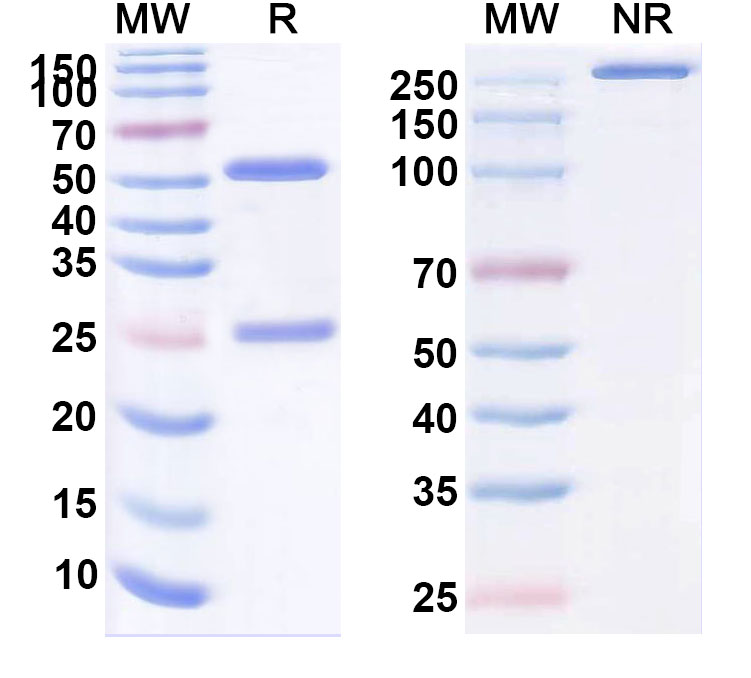
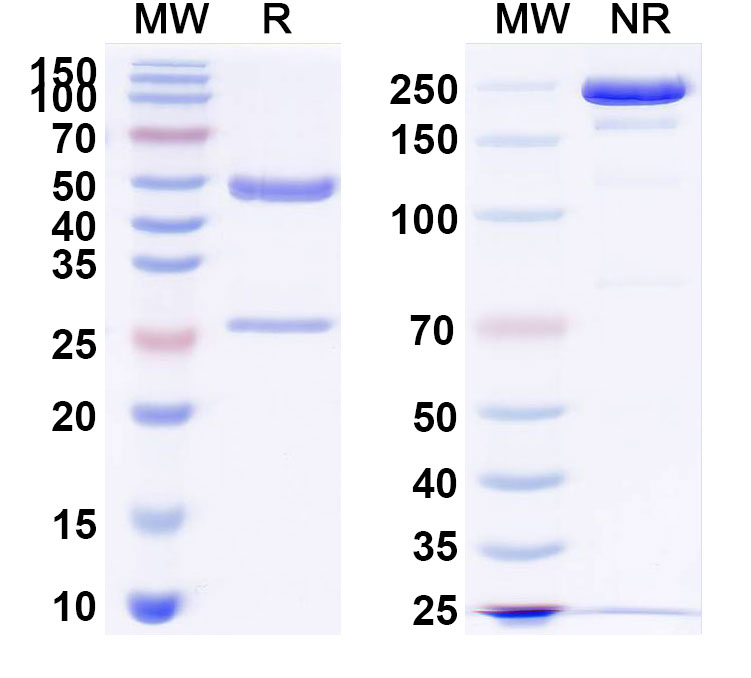
4F2Mab Biosimilar is a recombinant humanized IgG1 monoclonal antibody that is produced in mammalian cells. It consists of two heavy chains and two light chains, each containing variable and constant regions. The variable regions are responsible for binding to the targeted proteins, while the constant regions determine the effector functions of the antibody.
Activity of 4F2Mab Biosimilar:
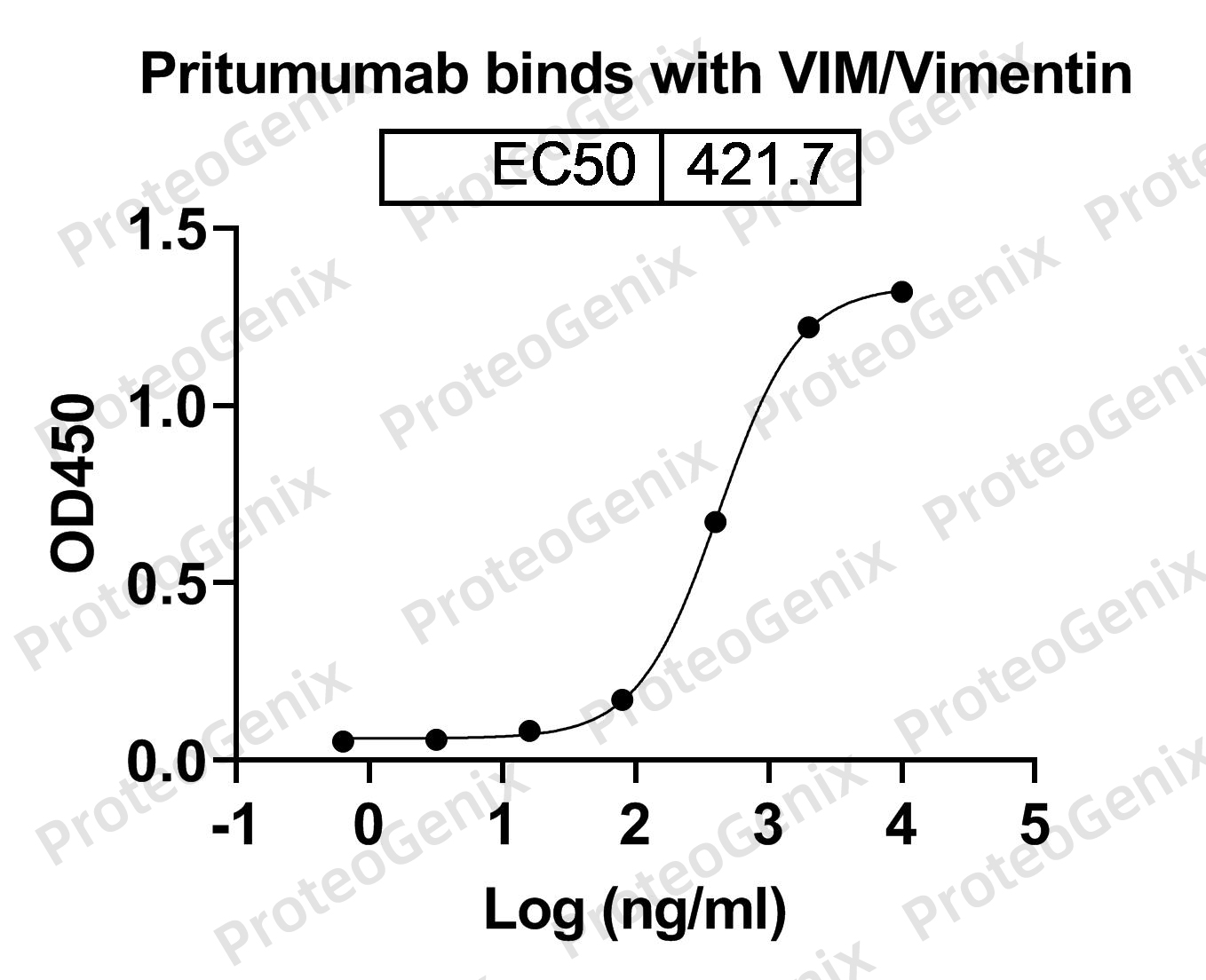
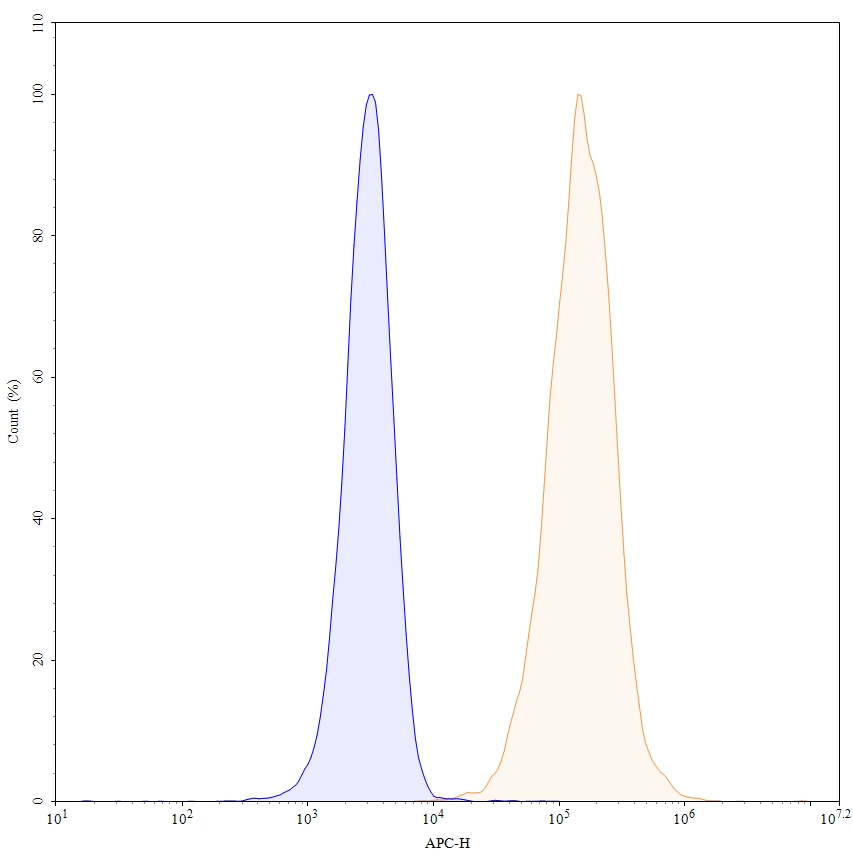
4F2Mab Biosimilar has a high binding affinity for its three target proteins, making it a potent therapeutic agent. It specifically binds to ganglioside GD2, which is overexpressed in various types of cancer cells, including neuroblastoma and melanoma. By binding to GD2, 4F2Mab Biosimilar can block the growth and survival of these cancer cells, making it a promising anti- cancer therapy.
In addition to GD2, 4F2Mab Biosimilar also targets SFRP1 and SLC3A2. SFRP1 is a secreted protein that plays a role in regulating the Wnt signaling pathway, which is involved in cell proliferation and differentiation. By binding to SFRP1, 4F2Mab Biosimilar can modulate the Wnt signaling pathway and potentially inhibit the growth of cancer cells. SLC3A2, also known as CD98, is a transmembrane protein that is involved in cell adhesion and nutrient transport. By targeting SLC3A2, 4F2Mab Biosimilar can disrupt the functions of cancer cells and potentially induce their death.
Applications of 4F2Mab Biosimilar:
4F2Mab Biosimilar has shown promising results in preclinical studies as a potential therapy for various types of cancer, including neuroblastoma, melanoma, and breast cancer. It has also shown potential in treating autoimmune disorders, such as rheumatoid arthritis and multiple sclerosis, by targeting SFRP1 and SLC3A2.
Furthermore, 4F2Mab Biosimilar has the potential to be used in combination with other therapies, such as chemotherapy and radiation, to enhance their efficacy. This is due to its ability to target multiple proteins that are involved in cancer growth and survival.
Conclusion:
In conclusion, 4F2Mab Biosimilar is a promising monoclonal antibody that targets three specific proteins involved in cancer and autoimmune disorders. Its high binding affinity and ability to disrupt key cellular functions make it a potential therapeutic option for various diseases. Further clinical studies are needed to fully understand the potential of this biosimilar and its applications in the field of medicine.


There are no reviews yet.