The Structure of Galsulfase Biosimilar – G4S – Research Grade
Galsulfase Biosimilar – G4S – Research Grade, also known as galsulfase, is a recombinant form of the human enzyme N-acetylgalactosamine 4-sulfatase (GALNS). It is produced through genetic engineering technology and has a similar structure to the naturally occurring enzyme found in humans.
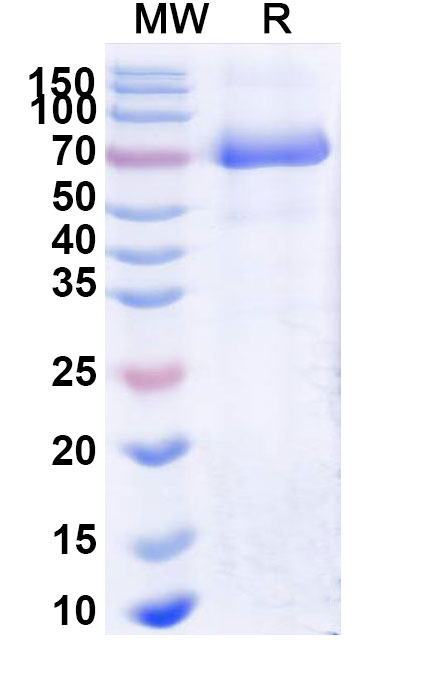
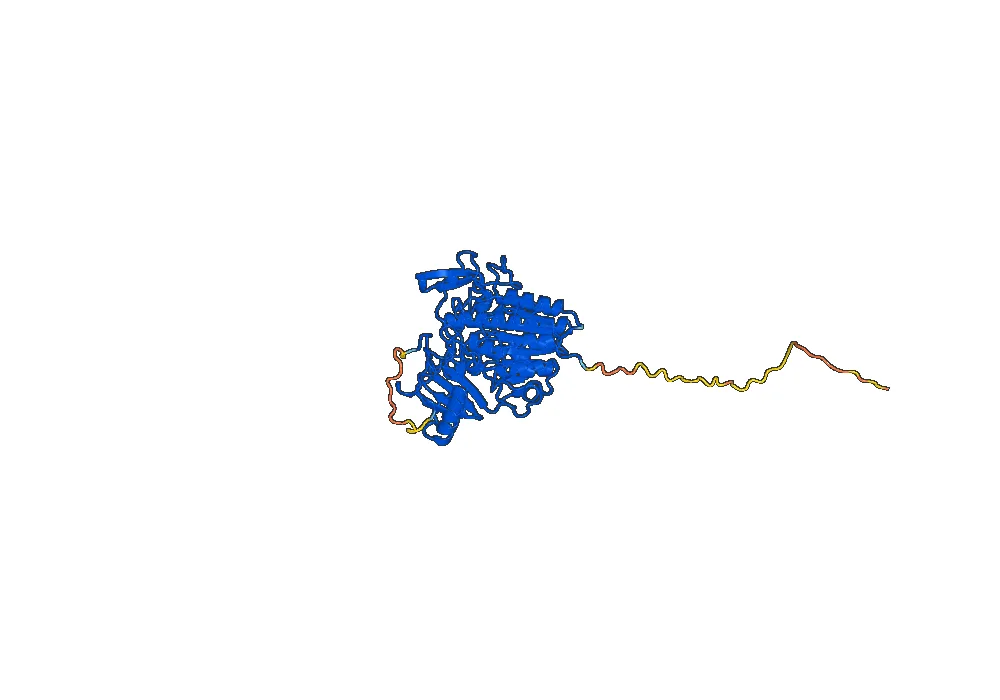
The protein structure of G4S is made up of 532 amino acids and has a molecular weight of approximately 60 kDa. It contains two carbohydrate chains, which are essential for its biological activity. These chains are responsible for targeting the enzyme to the lysosomes, where it can carry out its therapeutic function.
The Activity of Galsulfase Biosimilar – G4S – Research Grade
Galsulfase Biosimilar – G4S – Research Grade is a therapeutic protein that is used to treat patients with mucopolysaccharidosis type VI (MPS VI), also known as Maroteaux-Lamy syndrome. This rare genetic disorder is caused by a deficiency in the GALNS enzyme, which is responsible for breaking down complex sugars in the body.
G4S works by replacing the missing or deficient GALNS enzyme, allowing for the breakdown of complex sugars and preventing their accumulation in the body. This helps to improve the symptoms of MPS VI, such as skeletal abnormalities, respiratory problems, and heart disease.
The Application of Galsulfase Biosimilar – G4S – Research Grade
Galsulfase Biosimilar – G4S – Research Grade is currently approved for use in the treatment of MPS VI in both children and adults. It is administered through intravenous infusion and is typically given once a week.
In addition to its approved use, G4S is also being studied for its potential in treating other lysosomal storage disorders, such as mucolipidosis II and III. These disorders also involve a deficiency in the GALNS enzyme, making G4S a potential treatment option.
Furthermore, G4S is also being investigated for its potential in combination with other therapies, such as gene therapy, to further improve the treatment outcomes for patients with MPS VI.
The Role of Antibodies in Galsulfase Biosimilar – G4S – Research Grade Antibodies play a crucial role in the development and production of Galsulfase Biosimilar – G4S – Research Grade. During the manufacturing process, specific antibodies are used to identify and isolate the recombinant GALNS enzyme, ensuring its purity and potency.
In addition, antibodies are also used in the quality control process to ensure that the final product meets the required specifications for safety and efficacy.
The Therapeutic Target of Galsulfase Biosimilar – G4S – Research Grade
The therapeutic target of Galsulfase Biosimilar – G4S – Research Grade is the GALNS enzyme. By targeting this enzyme, G4S aims to restore its activity and function in patients with MPS VI, thereby improving their symptoms and overall quality of life.
The GALNS enzyme is located in the lysosomes, which are specialized compartments within cells that are responsible for breaking down complex molecules. By targeting this specific location, G4S is able to deliver the enzyme directly to where it is needed, maximizing its therapeutic effect.
In Conclusion
Galsulfase Biosimilar – G4S – Research Grade is a recombinant form of the human enzyme GALNS and is used to treat patients with MPS VI. Its unique structure and activity allow it to effectively replace the missing or deficient enzyme in these patients, improving their symptoms and quality of life. With ongoing research and development, G4S may also have potential applications in other lysosomal storage disorders, making it a promising therapeutic option for a range of rare genetic diseases.
There are no reviews yet.