The Structure of Emapalumab Biosimilar – Anti-IFNG mAb
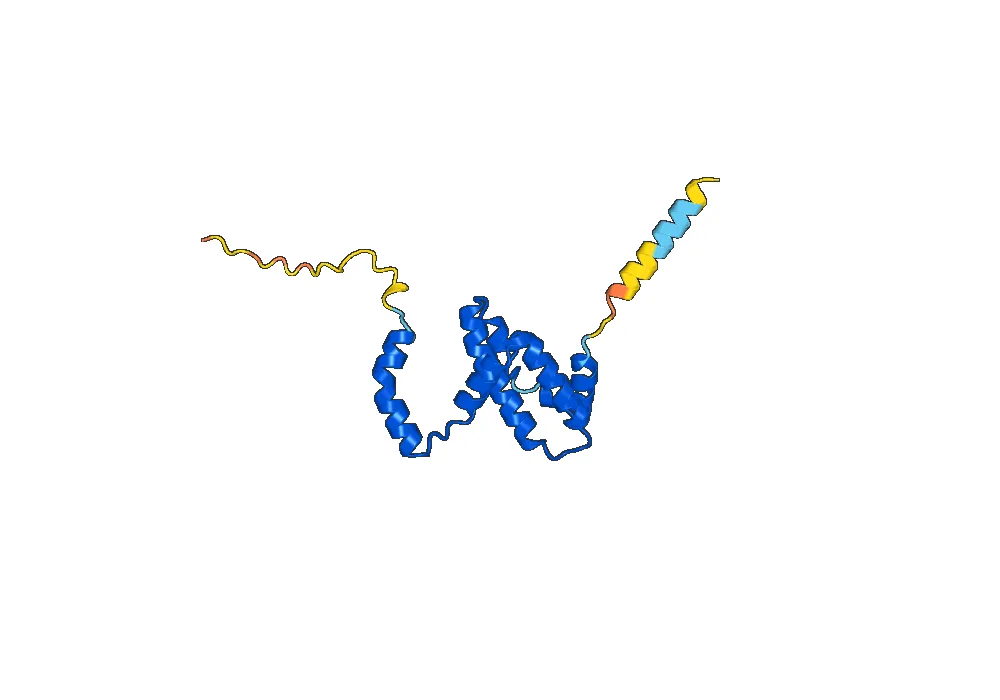
Emapalumab Biosimilar, also known as Anti-IFNG monoclonal antibody (mAb), is a biologic drug that is designed to mimic the function of the natural antibody, interferon-gamma (IFN-gamma). It is a recombinant humanized IgG1 kappa monoclonal antibody that specifically targets and binds to IFN-gamma, a cytokine that plays a crucial role in the immune response.
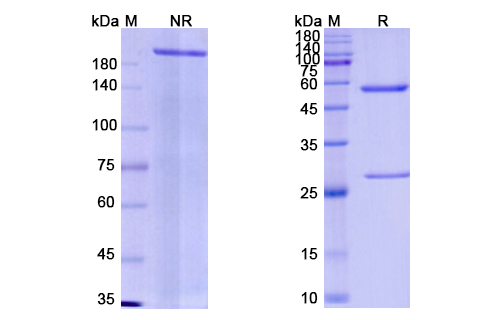
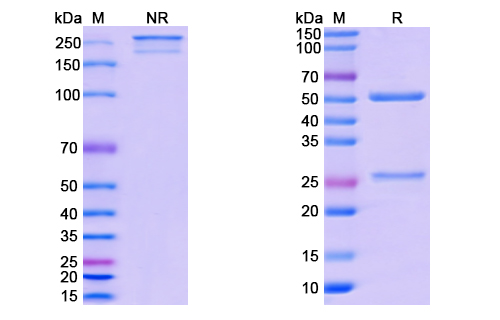
The structure of Emapalumab Biosimilar is composed of two heavy chains and two light chains, each with a molecular weight of approximately 50 kDa. The heavy chains consist of four constant regions (C1-C4) and one variable region (VH), while the light chains consist of two constant regions (C1, C2) and one variable region (VL). The variable regions of both the heavy and light chains are responsible for the specificity and binding affinity of Emapalumab Biosimilar to IFN-gamma.
The Activity of Emapalumab Biosimilar – Anti-IFNG mAb
Emapalumab Biosimilar works by binding to IFN-gamma and preventing it from interacting with its receptors on the surface of immune cells. This leads to a decrease in the activity of IFN-gamma, which is known to play a role in various inflammatory and autoimmune diseases.
One of the key activities of Emapalumab Biosimilar is its ability to block the production of pro-inflammatory cytokines such as interleukin-1 (IL-1), interleukin-6 (IL-6), and tumor necrosis factor-alpha (TNF-alpha). These cytokines are known to contribute to the pathogenesis of several autoimmune diseases, and by inhibiting their production, Emapalumab Biosimilar helps to reduce inflammation and disease progression.
In addition, Emapalumab Biosimilar also enhances the activity of regulatory T cells (Tregs), which are responsible for maintaining immune tolerance and preventing excessive immune responses. By increasing the number and function of Tregs, Emapalumab Biosimilar helps to restore immune balance and prevent autoimmune reactions.
The Applications of Emapalumab Biosimilar – Anti-IFNG mAb
Emapalumab Biosimilar has shown promising results in preclinical and clinical studies for the treatment of various autoimmune and inflammatory diseases. It is currently being developed as a potential therapeutic option for the following conditions:
Rheumatoid Arthritis (RA) RA is a chronic autoimmune disease characterized by inflammation and destruction of joints. Emapalumab Biosimilar has shown to be effective in reducing joint inflammation and preventing joint damage in animal models of RA. In a phase II clinical trial, Emapalumab Biosimilar showed significant improvement in disease activity and symptoms in patients with RA.
Inflammatory Bowel Disease (IBD)
IBD, which includes Crohn’s disease and ulcerative colitis, is a chronic inflammatory disorder of the gastrointestinal tract. Emapalumab Biosimilar has been shown to reduce inflammation and improve symptoms in animal models of IBD. In a phase II clinical trial, Emapalumab Biosimilar demonstrated significant improvement in clinical remission and endoscopic healing in patients with moderate to severe Crohn’s disease.
Systemic Lupus Erythematosus (SLE)
SLE is a systemic autoimmune disease that can affect multiple organs and tissues. Emapalumab Biosimilar has been shown to reduce inflammation and prevent tissue damage in animal models of SLE. In a phase II clinical trial, Emapalumab Biosimilar showed promising results in reducing disease activity and improving symptoms in patients with SLE.
Psoriasis
Psoriasis is a chronic autoimmune skin disorder characterized by red, scaly patches on the skin. Emapalumab Biosimilar has been shown to reduce skin inflammation and improve symptoms in animal models of psoriasis. In a phase

There are no reviews yet.