Basiliximab Biosimilar: A Promising Antibody for Targeting IL2RA in Therapeutic Applications Basiliximab Biosimilar, also known as Anti-IL2RA or CD25 mAb, is a monoclonal antibody that has shown great potential in the field of immunotherapy. It is a biosimilar version of the original Basiliximab, which was first approved by the FDA in 1998 for the prevention of acute rejection in kidney transplant patients. Since then, it has been extensively studied and has been found to have a wide range of applications in the treatment of various diseases. In this article, we will delve into the structure, activity, and therapeutic applications of Basiliximab Biosimilar.
Structure of Basiliximab Biosimilar
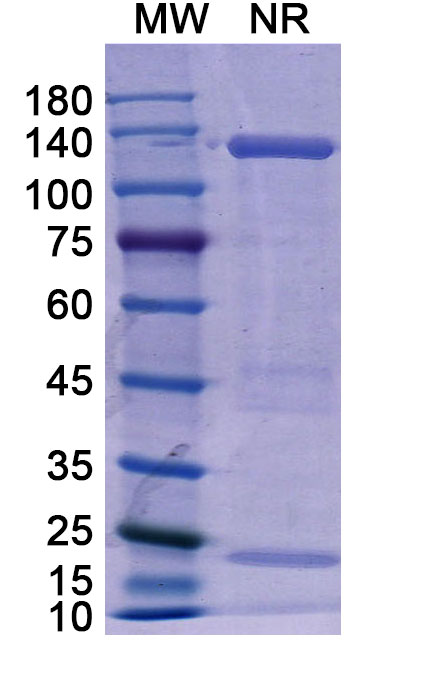
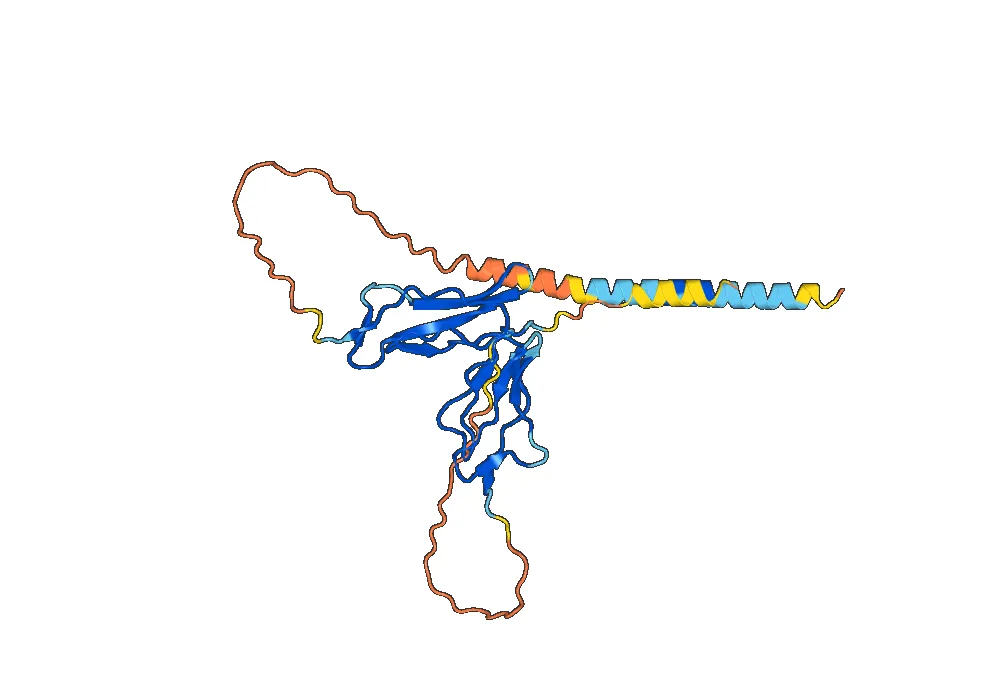
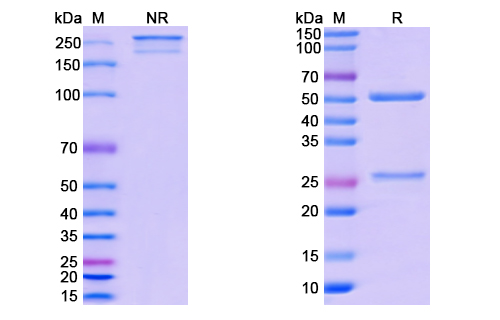
Basiliximab Biosimilar is a chimeric monoclonal antibody, meaning it is composed of both human and mouse components. It is made up of two identical heavy chains and two identical light chains, each with a molecular weight of approximately 150 kDa. The antibody has a Y-shaped structure, with two antigen-binding fragments (Fab) at the top of the Y and a crystallizable fragment (Fc) at the bottom. The Fab regions are responsible for binding to the target antigen, while the Fc region is involved in mediating effector functions such as antibody-dependent cellular cytotoxicity (ADCC) and complement-dependent cytotoxicity (CDC).
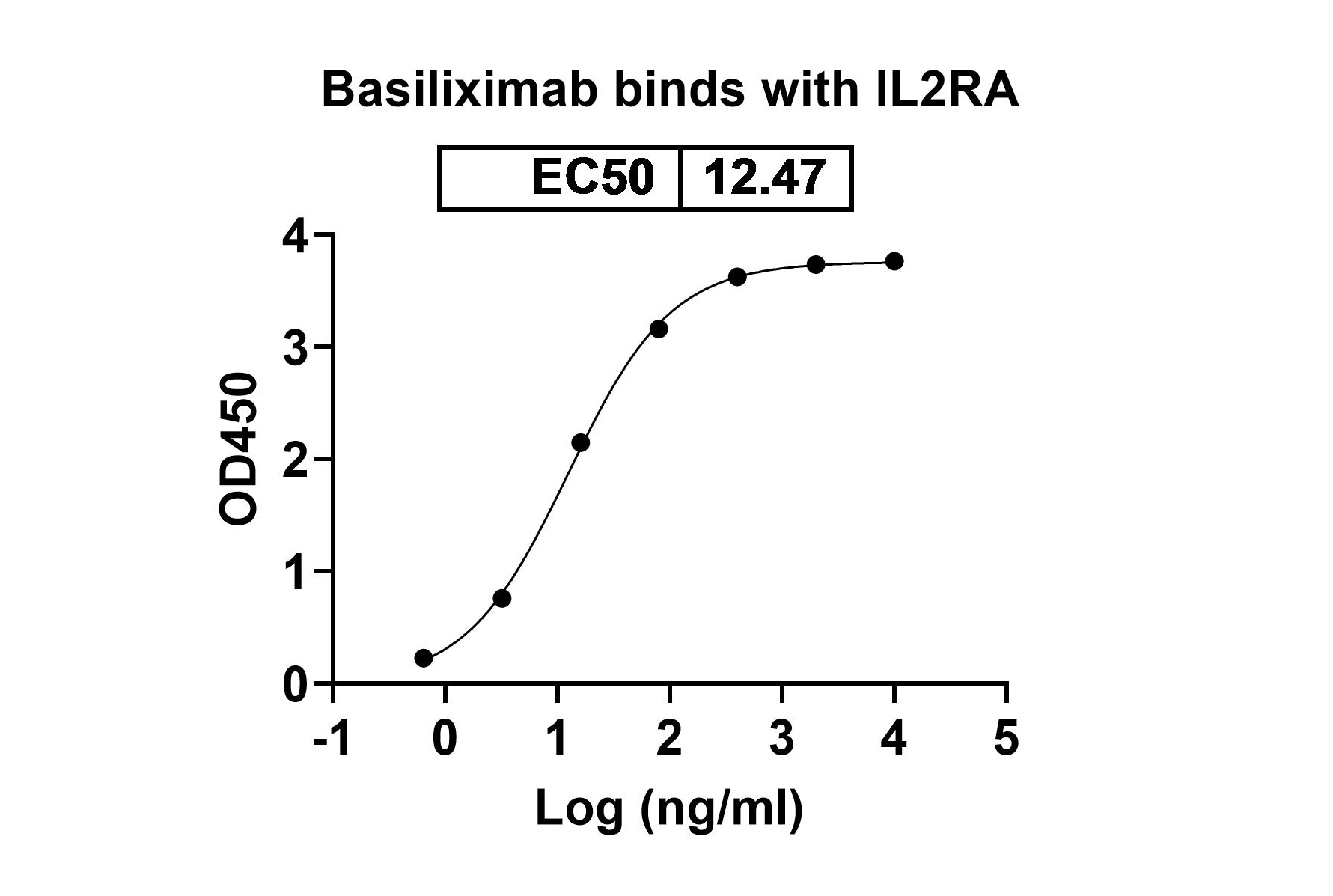
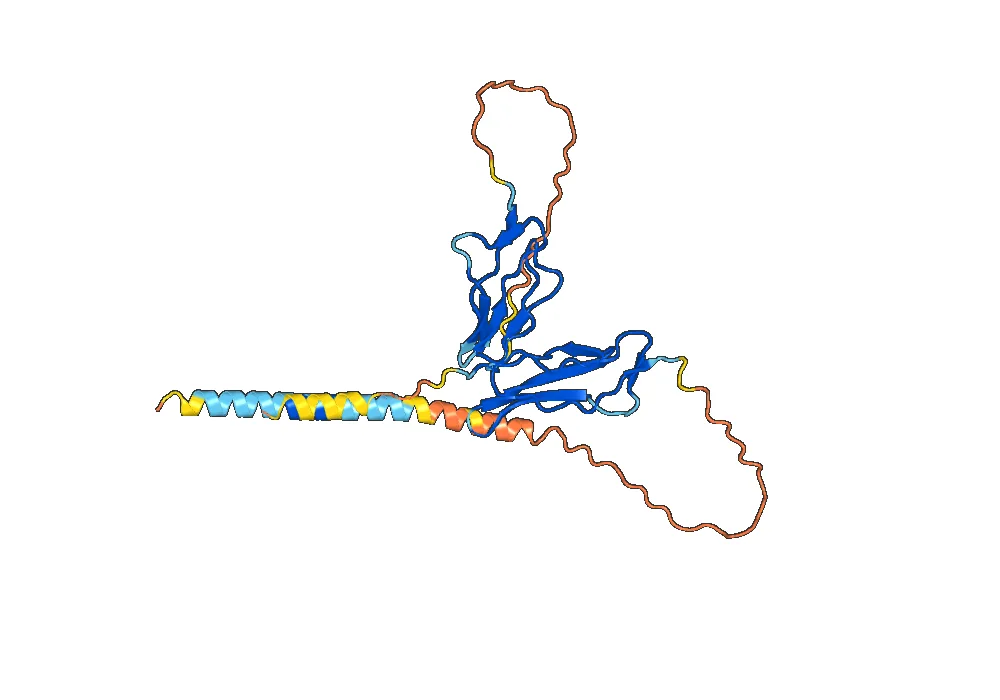
The target antigen for Basiliximab Biosimilar is the alpha chain of the interleukin-2 receptor (IL2RA), also known as CD25. This receptor is expressed on the surface of activated T cells and plays a crucial role in the immune response. By binding to CD25, Basiliximab Biosimilar prevents the activation and proliferation of T cells, thereby suppressing the immune response.
Activity of Basiliximab Biosimilar
The main mechanism of action of Basiliximab Biosimilar is its ability to block the IL2RA/IL2 signaling pathway. IL2 is a cytokine that is essential for the proliferation and survival of T cells. Upon binding to its receptor, IL2RA, IL2 triggers a cascade of events that lead to T cell activation and proliferation. By binding to CD25, Basiliximab Biosimilar prevents IL2 from binding to its receptor, thus inhibiting the activation of T cells. This results in a decrease in the number of T cells available to mount an immune response, making it an effective immunosuppressant.
In addition to its role in suppressing the immune response, Basiliximab Biosimilar has also been found to have anti-inflammatory properties. It has been shown to inhibit the production of pro-inflammatory cytokines and chemokines, further reducing the immune response and inflammation. This makes it a potential treatment option for autoimmune diseases such as rheumatoid arthritis and multiple sclerosis.
Therapeutic Applications of Basiliximab Biosimilar
The primary therapeutic application of Basiliximab Biosimilar is in the prevention of acute rejection in solid organ transplant recipients. It is typically used in combination with other immunosuppressants, such as corticosteroids and calcineurin inhibitors, to prevent the body from rejecting the transplanted organ. Its efficacy in this setting has been well-established, with numerous clinical trials showing a significant reduction in acute rejection rates compared to placebo or other immunosuppressants.
Aside from its use in transplantation, Basiliximab Biosimilar has also shown promise in the treatment of various autoimmune diseases, as mentioned earlier. It has been studied in clinical trials for the treatment of rheumatoid arthritis, multiple sclerosis, and psoriasis, with promising results. The anti-inflammatory properties of the antibody make it a potential treatment option for these diseases, which are characterized by an overactive immune response.
Furthermore, there is ongoing research on the use of Basiliximab Biosimilar in the treatment of certain types of cancer.

There are no reviews yet.