Cart (0 Items)
Your cart is currently empty.
View ProductsIt looks like you are visiting from outside the EU. Switch to the US version to see local pricing in USD and local shipping.
Switch to US ($) Peptide synthesis
 Thomas Meyer

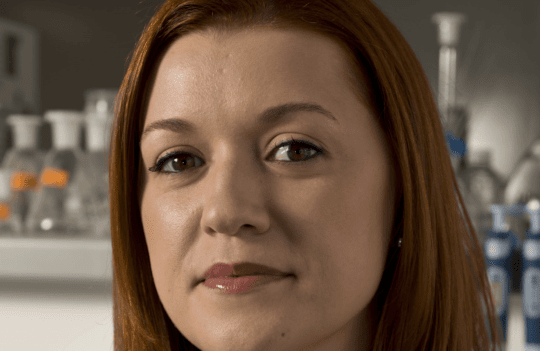
Professor Istvan Toth: I am a Chemical Engineer, specialized in Medicinal Chemistry, so during my whole professional life the major aim of my work has been the design and development of potential medications. About 30 years ago, when I joined the School of Pharmacy from the University of London as a lecturer and research fellow, I realized that the delivery, especially the oral delivery, of many drugs, vaccines, particularly peptides, proteins, and genes was problematic.
In most cases, it was evident that finding adequate solutions for these delivery difficulties was at least as important as the development of new drugs itself. In other cases, the design of delivery systems could be even more important than the design of the original drugs. This happened when drugs with outstanding activity in vitro, led to disappointing activity in vivo.
Since then, my major scientific activity has been related to research on different delivery systems using either chemical conjugation or just the physical mixture of active pharmaceuticals.
Finding that non-toxic, easy to make, biodegradable, and hydrophobic compounds without any immunogenic properties, once conjugated to peptide antigen, could act as immune stimulators.
Peptide-based vaccines reduce the risk of allergic and autoimmune responses. They are non-infectious (cannot revert to a virulent form as it occasionally happens in conventional formulations) and customizable (can be customized to adapt an appropriate immune response). Besides, peptide-based vaccines have improved stability during storage, and they can be easily and inexpensively produced in large quantities, with high purity, and with well-defined compositions.
The sole limitation of these formulations is the fact that peptides, on their own, are not immunogenic. Thus, they need to be administered in combination with a strong, and at the same time safe, adjuvant, within a suitable carrier system.
The most critical challenges are the identification of appropriate and conserved peptide sequence or sequences among different strains of the same pathogen, and the incorporation of these regions into adequate delivery systems.
Only the correct combination of these variables generates a protective immune response, similar, or perhaps even more specific, than the natural response generated by our organism against the whole pathogen.
Patient compliance using intranasal administration is high (needle-phobia). More importantly, there are two major types of protective antibodies, the IgG (mainly in the circulation) and IgA (mainly in the mucosal surfaces). We observed higher IgA antibody presence after nasal administration than after administration by injection of the same vaccine construct.
Since most pathogens infect via the mucosal surfaces, the ability to stop the microorganism right on the site of entry by triggering the production of IgA antibodies has a great advantage.
Our main expertise lies in the delivery of vaccines. For this reason, we believe that once immunologists find the right peptide antigen against the Wuhan coronavirus, we could easily incorporate it into our delivery system to produce promising vaccine candidates.
Cell-penetrating peptides (CPPs) contain many positively charged amino acids. They were initially derived from microbial proteins, but currently, many synthetic variants have become available.
Originally, CPPs help pathogens penetrate cell walls. The most well-known CPP is Tat, initially obtained from the HIV-1 transcriptional activator protein. When conjugated to other molecules, CPPs can carry a defined molecular cargo through the cell wall in a non-invasive manner.
These peptides can also deliver antigens to antigen-presenting cells, thus improving the immunogenicity of the construct, and subsequently eliciting a stronger immune response. Therefore, we can use them to mimic a natural infection (e.g. with HIV) without infecting the host, which is exactly what we need to create safe vaccines.
CPP internalization can happen in two ways: non-endocytic (deliver to cytoplasm) or endocytic (deliver to lysosomes) delivery. Hence, they can stimulate both humoral and cellular immune responses. There are many publications cited in this review showing that when CPPs are co-administered with the antigen and an adjuvant, they act as co-stimulants. However, despite the many positive results obtained with CPPs in vaccine delivery, the mechanism of the CPP-cargo internalization is still not fully understood.

Immune stimulants usually include a mixture of lipids, polysaccharides, or various microbial components. Unfortunately, many currently available immune stimulants are toxic and non-biodegradable. Invariably, they invoke adverse reactions, including allergic responses and excessive inflammation.
We designed and developed a lipophilic amino acid polymer co-synthesized with the relevant peptide antigen. The construct is natural, biodegradable, and safe, containing only amino acids that exist in humans.
Furthermore, the construct was also devised to be amphiphilic, containing a lipophilic polyaminoacid and a hydrophilic peptide antigen. In solvent, it can reassemble forming highly immunogenic nanoparticles.
Such a vaccine can be produced using the same process as an antigen itself and does not require any additives, such as adjuvants. This simplicity is the key to successful large-scale applications.
The system above was effective when applied in vaccines against bacterial infections (e.g. group A Streptococcus), parasites (e.g. hookworm) and virus-induced cancer (e.g. cervical cancer).
Thus, the system is universal and can be applied for the development of a variety of vaccines including vaccines against coronavirus infections, once virologists identify the relevant surface protein of the pathogen.
Our most important aim in the Medicinal Chemistry group is to translate our research to the clinic and commercialize our systems for vaccine delivery. Our interest is quite broad as we are trying to develop delivery strategies for vaccines against malaria, hookworm, cancer, streptococcal bacteria, and Schistosoma, among others.
For example, we found that the utilization of mannose to target liposomes to dendritic cells can greatly help in the eradication of cervical cancer in mice.
The fight against multidrug-resistant microorganisms and cancer is the world’s center of attention (at least it was before the coronavirus). Antibiotic formulations that break the resistance of microorganisms might be the solution to one of these problems.
Moreover, we are also heading to the era of personalized medicine. Where personalized medications will make use of multiple drugs to treat patient-specific cancers. This will require the development of special formulations, able to ensure a compatible combination of drugs (liposomes, biocompatible polymeric nanoparticles).
Join our email list to receive exclusive content featuring the most interesting industry and research news, biologics development tips pieced together by experts, res, company news, and exclusive limited-offers. Join a community of 80,000 subscribers and save up to 30% on your first order.